

What Not to Use with Hypochlorous Acid?
At Shandong Shine HOCl, we specialize in manufacturing Hypochlorous Acid Generators designed for water treatment, skin care, wound care, and industrial applications. While hypochlorous acid (HOCl) is a game-changer for killing germs and soothing sensitive skin, using it incorrectly can reduce its effectiveness or even create dangerous reactions.
Before you start using hypochlorous acid products, let's dive into what not to use with hypochlorous acid. Whether you're using it as a facial spray, a wound disinfectant, or in large-scale water treatment, avoiding these common mistakes will keep it working at full strength.
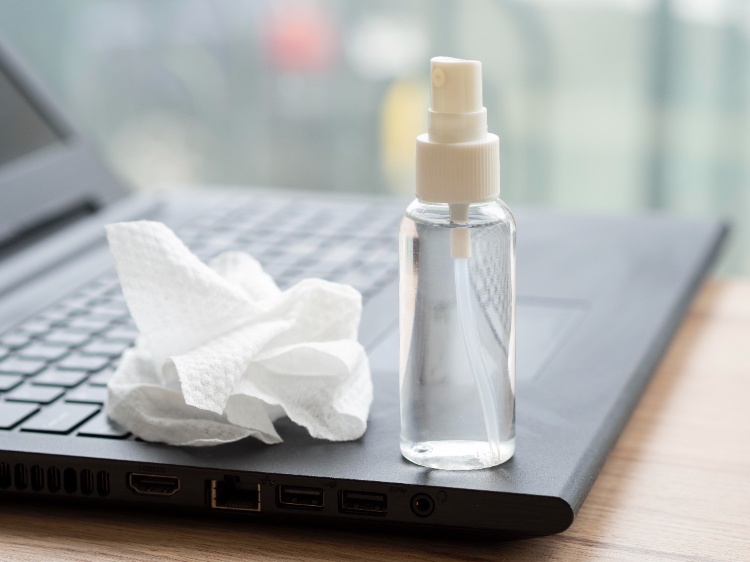
1. Acids & Salicylic Acid: The Wrong Chemistry
Mixing hypochlorous acid with other acids is a bad idea. While salicylic acid is a popular skincare ingredient, it doesn’t mix well with HOCl.
Why it’s a problem:
· Reduces effectiveness – Acids disrupt HOCl’s chemical balance, making it less potent for killing bacteria.
· Releases chlorine gas – When strong acids react with HOCl, they produce harmful fumes.
· Irritates skin – Instead of soothing skin irritations, this combo can cause more redness and dryness.
What to do instead:
Use hypochlorous acid sprays separately from acidic skincare ingredients like salicylic acid or vitamin C. Let HOCl work naturally as an anti-inflammatory and wound care solution.
2. Hydrogen Peroxide: A Disinfectant Battle
Hydrogen peroxide and hypochlorous acid are both great for killing germs, but together? They cancel each other out.
Why this mix fails:
· Neutralizes HOCl’s power – Instead of doubling effectiveness, these two chemicals deactivate each other.
· Damages skin barrier – Hydrogen peroxide can slow healing and increase skin irritations.
· Not ideal for wound care – HOCl alone is gentle and effective; hydrogen peroxide can cause unnecessary irritation.
What to do instead:
For wound care and skincare routines, stick with hypochlorous acid sprays. No mixing, no wasted product, just pure healing power.
3. Ammonia: A Dangerous Chemical Reaction
HOCl is often used in hypochlorous acid generators for water treatment and industrial applications, but it should never be mixed with ammonia-based cleaners.
The risks of ammonia + HOCl:
· Forms toxic chloramine gas – This can cause breathing problems.
· Irritates skin and eyes – Not ideal if you have sensitive skin or asthma.
· Reduces HOCl’s disinfecting power – Instead of killing bacteria, the reaction just weakens HOCl.
What to do instead:
For home or industrial disinfection, use hypochlorous acid products separately. Never mix with ammonia-based cleaners.
4. Heavy Metals: HOCl’s Silent Killer
HOCl breaks down when it comes in contact with metals like iron, copper, or brass.
Why metals ruin HOCl:
· Destroys its stability – HOCl molecules break apart when exposed to heavy metals.
· Weakens disinfecting power – It loses its ability to kill viruses and fungi.
· Corrodes metal surfaces – HOCl is gentle on skin but tough on metals.
What to do instead:
Store hypochlorous acid sprays in glass or plastic containers, not metal ones. If using a Hypochlorous Acid Generator for water treatment, ensure that your system is designed with corrosion-resistant materials.
5. Organic Matter: HOCl Needs a Clean Surface
Spraying HOCl on a dirty surface? That’s like pouring disinfectant into mud—it won’t work properly.
Why dirt weakens HOCl:
· HOCl reacts with organic material first, making it less effective on germs.
· Higher concentrations get wasted on grime instead of disinfecting.
· Doesn’t work as well for wound care if applied to an unclean area.
What to do instead:
Always clean first, disinfect second. For best results, wipe surfaces before using HOCl-based cleaners.

6. Direct Sunlight: HOCl’s Worst Enemy
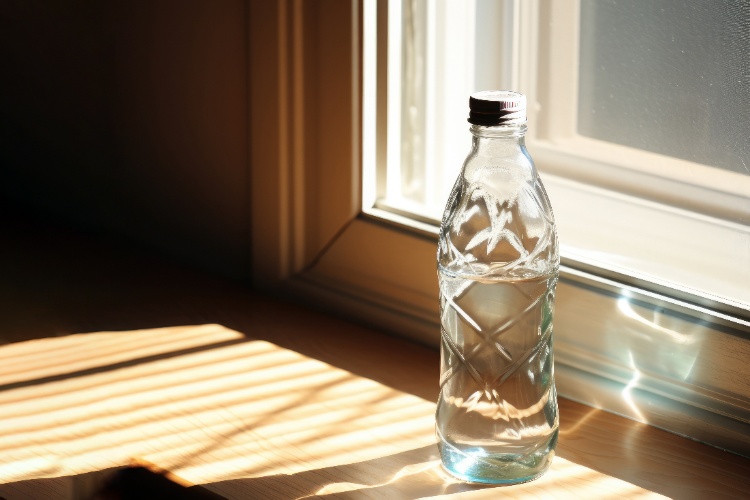
HOCl is powerful but sensitive. Exposure to UV light breaks it down quickly.
Why light exposure is bad:
· Reduces shelf life – HOCl degrades when exposed to sunlight.
· Lowers disinfecting ability – It turns into water if left in direct light too long.
· Weakens effectiveness for skincare routines – Higher concentrations of HOCl work best when stored correctly.
What to do instead:
· Store in dark, UV-protected bottles to maintain potency.
· Keep HOCl solutions in a cool, dark place.
7. Mixing with Alcohol: Don’t Do It
Alcohol-based sanitizers and hypochlorous acid sprays serve different purposes. Mixing them? A waste of both.
Why alcohol + HOCl don’t mix:
· Alters HOCl’s chemistry, making it less effective.
· Dries out skin, reducing its anti-inflammatory benefits.
· Unpredictable reactions can reduce germ-killing power.
What to do instead:
Use HOCl after washing hands, not mixed with alcohol-based sanitizers.
8. Incorrect pH Levels: The Balancing Act
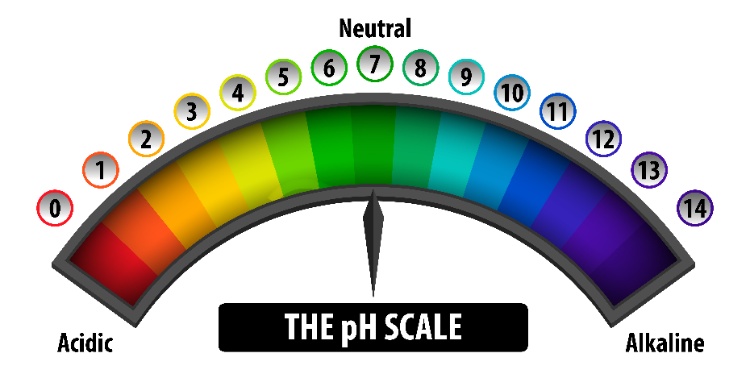
Hypochlorous acid products work best within a specific pH range. If the pH is too high or too low, it stops working.
What happens with incorrect pH?
· Too acidic – HOCl converts into chlorine gas (harmful to breathe).
· Too alkaline – It turns into weak bleach, reducing its ability to kill germs.
· Irritates skin – The wrong pH can make sensitive skin react negatively.
What to do instead:
Use a Hypochlorous Acid Generator that maintains the correct pH balance for water treatment, wound care, and skincare routines.
9. Using the Wrong Spray Bottle
Not all spray bottles are created equal. Some plastics break down when exposed to HOCl.
The problem with cheap bottles:
· Some plastics degrade, causing contamination.
· HOCl loses potency if stored in low-quality containers.
· Ineffective for skincare – Using the wrong packaging can reduce HOCl’s power as a facial spray.
What to do instead:
Use high-quality spray bottles designed for hypochlorous acid products.
Final Thoughts: Keep HOCl Powerful
Hypochlorous acid products are incredibly effective when used correctly. But mixing them with the wrong substances can lead to wasted product, dangerous reactions, or ineffective results.
Quick Recap: What NOT to Use with HOCl
✅ No acids – Weakens HOCl, irritates skin
✅ No hydrogen peroxide – Cancels germ-killing power
✅ No ammonia – Creates dangerous fumes
✅ No heavy metals – Breaks down HOCl fast
✅ No dirt or organic matter – Wastes disinfecting power
✅ No direct sunlight – Destroys effectiveness
✅ No alcohol – Alters HOCl’s chemistry
✅ No pH imbalance – Weakens HOCl’s performance
✅ No low-quality bottles – Reduces potency
Want the best Hypochlorous Acid Generator for water treatment, skin care, and wound care? Shandong Shine HOCl provides high-quality systems for large-scale and home-use applications. Keep your HOCl strong—avoid these common mistakes!