

Farm Crop Disinfection Guide
Farming looks peaceful from a distance. Green fields, fresh air, and sunshine. Yet every farmer knows a hidden battle exists in the soil and on plant surfaces. Bacteria, fungi, and viruses can spread quickly across crops. If we ignore them, yields drop, and food safety risks rise.
That is why cleaning and disinfection matter on modern farms. When we apply proper sanitation methods, we protect crops, workers, and consumers. In our experience working with sanitation technology, we have seen how the right disinfectant strategy transforms farm hygiene.
So the big question appears often:
How do I Disinfect Crops in Farm Up?
Let us walk through practical methods used by professional farms worldwide.
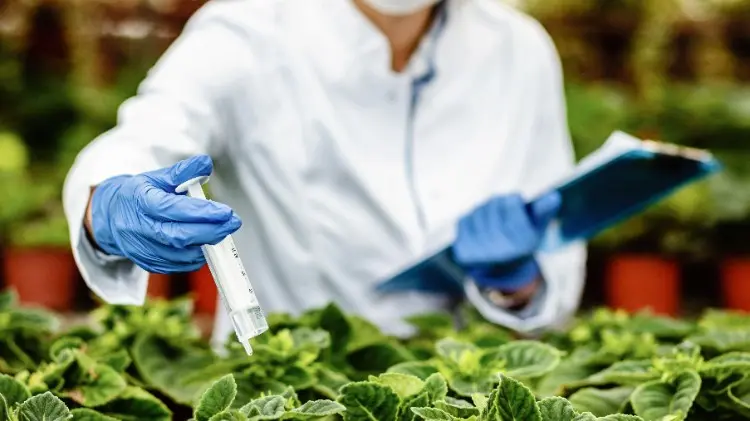
Why Crop Disinfection Matters
Many growers focus only on fertilizers and irrigation. However, pathogens spread easily through water, tools, and soil. Without sanitation steps, diseases move from plant to plant.
We focus on three goals:
Protect food safety
Reduce plant diseases
Improve crop shelf life
Cleaning removes soil, organic matter, and plant residue first. After that, disinfectants work more effectively on surfaces.
Without the cleaning step, even the strongest disinfectant struggles to work.
Understanding Disinfection Levels
Not every farm needs the same disinfectant strength. We normally measure concentrations in parts per million ppm.
Different crops and applications require different strengths.
Typical ranges include:
25 ppm – light sanitation for fresh produce rinsing
50 ppm – standard crop surface disinfection
200 ppm – stronger sanitation for equipment and containers
These values depend on water quality and contamination levels.
What Does PPM Mean in Farm Sanitation?
PPM means parts per million. It measures how much disinfectant dissolves in water.
For example:
50 ppm = 50 mg disinfectant per liter of water
200 ppm = 200 mg per liter
Farmers often mix solutions using oz per gallon of water or ratios such as 100 gallons of water for large tanks.
Accurate mixing ensures safe and effective sanitation.
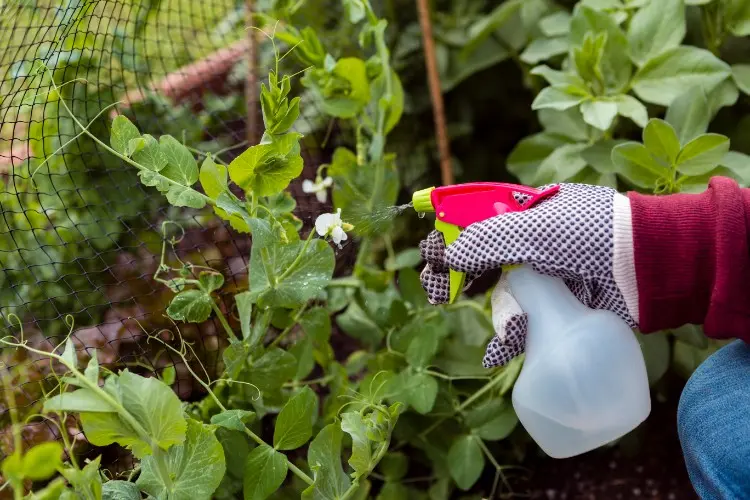
Common Disinfectants Used in Agriculture
Farm sanitation has evolved quickly. Several chemicals now support crop safety programs.
We often see farms using these active ingredients:
hypochlorous acid hocl
sodium hypochlorite
hydrogen peroxide
5.3 Peroxyacetic acid
Each disinfectant works differently.
Hypochlorous Acid for Crop Protection
Many farms now generate hypochlorous acid hocl on site using a hypochlorous acid generator.
This solution mimics the antimicrobial substance produced by our immune system. It destroys bacteria quickly but remains gentle on plants.
Common concentrations include:
25 ppm for produce washing
50 ppm for crop spraying
200 ppm for equipment sanitation
Farmers like this option because it leaves minimal residue and supports sustainable agriculture.
Step-by-Step Crop Disinfection Process
Sanitation succeeds when we follow a clear process. Skipping steps reduces effectiveness.
Step 1: Remove Dirt and Organic Matter
First, we clean surfaces with water. Soil and debris block disinfectants.
Cleaning removes:
mud
plant residue
organic contamination
Even simple washing improves later disinfection results.
Step 2: Prepare the Disinfectant Solution
Next, we mix the solution carefully.
Examples include:
50 ppm solution for plant surfaces
200 ppm solution for bins and equipment
Large farms often prepare tanks containing 100 gallons of water mixed with disinfectant.
Accurate measuring protects both crops and workers.
Step 3: Apply the Solution Evenly
Application methods vary by crop type.
Common farm methods include:
mist sprayers
irrigation injection
dipping tanks
fogging systems
Uniform coverage ensures proper sanitation across the field.
Step 4: Allow Proper Contact Times
Disinfectants need time to work.
Typical contact times range from:
30 seconds
1 minute
5 minutes
Longer exposure improves microbial reduction. However, farms must avoid overexposure that may stress plants.
Disinfecting Harvest Equipment and Food Contact Surfaces
Crops touch many surfaces before reaching consumers. Equipment sanitation plays a major role in contamination control.
Key areas include:
harvest bins
conveyor belts
storage containers
washing stations
These are food contact surfaces, so strict sanitation standards apply.
We usually recommend 200 ppm disinfectant solutions for these surfaces. After sanitation, rinse if required by local food safety rules.
This practice dramatically lowers cross-contamination risk.
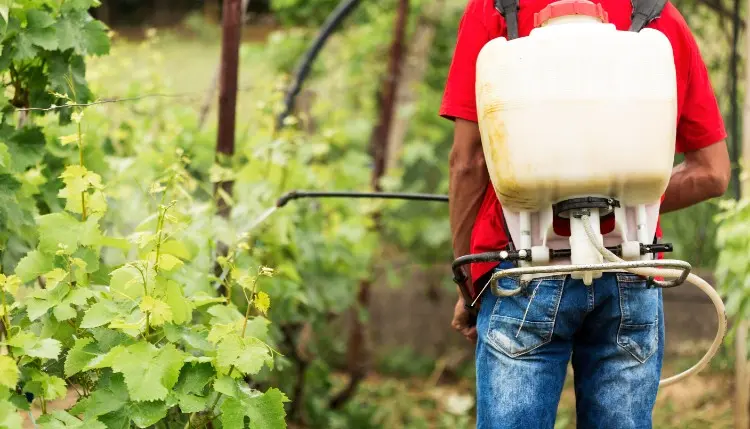
Worker Safety During Disinfection
Farm sanitation also protects workers.
Some disinfectants require strict safety procedures. Therefore, we always emphasize safety training.
Personal Protective Equipment
Workers should wear personal protective equipment when handling concentrated disinfectants.
Typical PPE includes:
gloves
protective goggles
masks or respirators
waterproof aprons
Even mild solutions can irritate skin during prolonged exposure.
Safety always comes first on professional farms.
Disinfecting Water Used for Crops
Water often spreads pathogens through irrigation systems.
Contaminated irrigation water spreads bacteria across entire fields within hours.
Water Treatment for Irrigation
Farmers apply water treatment to protect crops.
Methods include:
filtration
UV treatment
chemical disinfectants
Low disinfectant levels, such as 25 ppm or 50 ppm, help maintain microbial control inside irrigation lines.
Clean water equals healthier crops.
Alternative Agricultural Disinfectants
Some farms combine several disinfectants to improve sanitation.
Let us look at common alternatives.
Sodium Hypochlorite
Sodium hypochlorite remains a widely used disinfectant. It forms the active chlorine used in many sanitation programs.
However, it can create odor and residues at higher concentration levels.
Farmers must monitor pH and chlorine levels carefully.
Hydrogen Peroxide and Peroxyacetic Acid
Another option combines hydrogen peroxide with 5.3 peroxyacetic acid.
These oxidizers break down organic contaminants quickly. They also leave minimal chemical residue.
However, they require strict handling procedures.
Virus Control in Agricultural Settings
Modern farms also consider viral contamination risks.
Some disinfectants are approved for use against sars cov-2 and other viruses. While crop infection is rare, sanitation programs help protect farm workers and processing environments.
Good hygiene reduces outbreaks in agricultural facilities.
Tips for Effective Farm Sanitation
Over the years, we learned a few practical lessons.
Simple habits often make the biggest difference.
Best sanitation practices include:
Always clean before disinfecting
Measure concentrations carefully
Follow correct contact times
Monitor water quality regularly
Train workers on sanitation procedures
Small improvements create large results across a farming season.
The Future of Crop Disinfection
Agriculture continues to evolve toward safer and greener practices. New sanitation technologies help farms reduce chemical waste while improving microbial control.
Systems that generate disinfectants on demand simplify farm operations. Instead of transporting hazardous chemicals, farms produce fresh solutions when needed.
We believe smart sanitation will become a core pillar of sustainable farming.
Because at the end of the day, clean crops mean safe food. And safe food protects families everywhere.