

Farm Vehicle Disinfection Made Simple
Why Disinfecting Farm Vehicles Matters
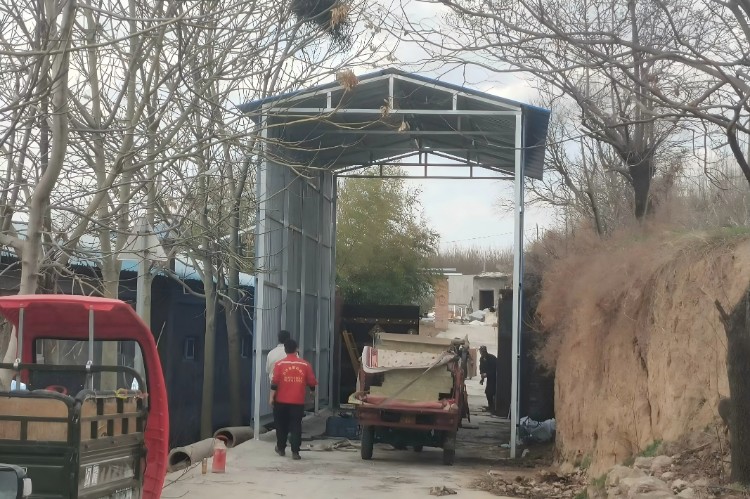
Every day, our farm vehicles move between barns, fields, and processing areas. Each tire and surface can carry invisible threats like dirt, waste, or pathogens. When we skip cleaning and disinfection, we risk spreading bacteria, viruses, and even avian influenza. That’s not just a health issue—it’s a serious threat to food safety and our farm’s reputation.
We’ve seen it firsthand: one unwashed truck can compromise an entire batch of livestock or crops. So, disinfecting isn’t optional—it’s our invisible shield against contamination.
Understanding Farm Contamination Risks
Farm vehicles pick up contaminants everywhere. Mud holds bacteria. Dust carries spores. Waste hides viruses. Without cleaning and disinfection, these elements mix like a recipe for disaster.
Let’s break it down:
Tires: Trap mud and manure, carrying harmful microbes.
Cabin interiors: Accumulate dust, handprints, and bacteria.
Equipment attachments: Spread pathogens from one area to another.
Doors and handles: Constantly touched, rarely disinfected.
These vehicles connect every part of the farm. If one becomes contaminated, the whole operation can suffer.
Our Go-To Solution: HOCl Power
We rely on hypochlorous acid (HOCl), produced through our HOCl Generator, as the heart of our disinfection strategy. HOCl is not just effective—it’s safe for humans, animals, and the environment.
What makes it special? It’s the same substance our white blood cells create to fight infections. It kills pathogens quickly yet remains gentle on skin and surfaces. It breaks down into simple salt and water, leaving no harmful residues.
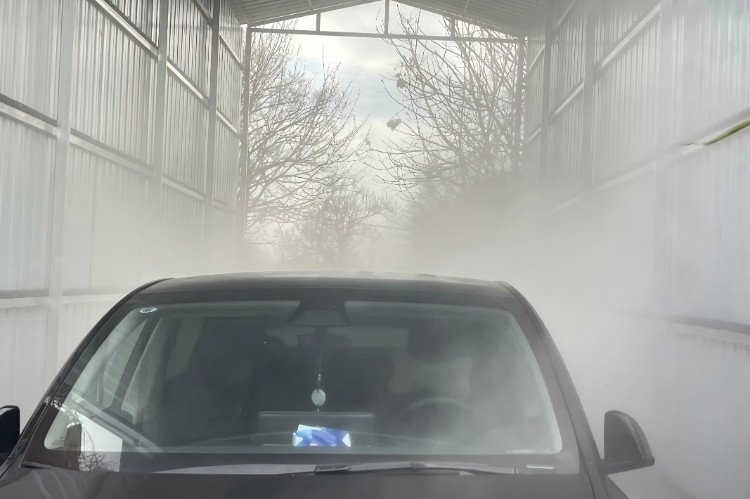
We can spray it, fog it, or even use it as a hand sanitizer before and after vehicle handling. It’s flexible, natural, and incredibly powerful.
Step-by-Step Vehicle Disinfection Routine
A clear routine makes all the difference. Here’s our daily disinfection ritual for farm vehicles:
1. Pre-Cleaning Check
We inspect each vehicle before cleaning. Any mud or debris buildup goes first. No point in disinfecting dirt.
2. Wash with Water
We rinse the exterior using running water. High-pressure washing removes visible grime and prepares the surface for deeper cleaning.
3. Apply Cleaning Solution
We use a mild detergent to scrub tires, doors, and handles. Cleaning before disinfecting ensures no organic matter shields bacteria.
4. Rinse Again
After scrubbing, another rinse clears leftover detergent. This step avoids chemical reactions with the disinfectant.
5. Spray Hypochlorous Acid
We apply a fine mist of hypochlorous acid on all surfaces—inside and out. The spray reaches tight corners and undercarriages. Within seconds, it kills bacteria and viruses.
6. Air Dry
We let vehicles dry naturally. HOCl evaporates without leaving residue, making it perfect for repeated use.
7. Sanitize Hands
Finally, we disinfect our hands with HOCl-based hand sanitizer before touching other tools or animals. Hygiene is teamwork.
Common Mistakes Farmers Make
Even experienced farmers miss simple steps. We’ve seen it many times:
Skipping tire disinfection – yet tires are often the dirtiest part.
Using strong bleach – harsh chemicals can corrode surfaces.
Ignoring interior cleaning – steering wheels and seats harbor bacteria.
Not disinfecting regularly – occasional cleaning is not enough.
Avoiding these mistakes keeps the farm running smoothly and safely.
Preventing Avian Influenza Spread
Avian influenza spreads like wildfire on farms. Vehicles become silent carriers. Each movement from one poultry area to another can spread the virus if left unchecked.
HOCl neutralizes avian influenza on contact. It acts fast, reducing viral load before it has the chance to multiply. That’s why we include vehicle disinfection in every biosecurity protocol.
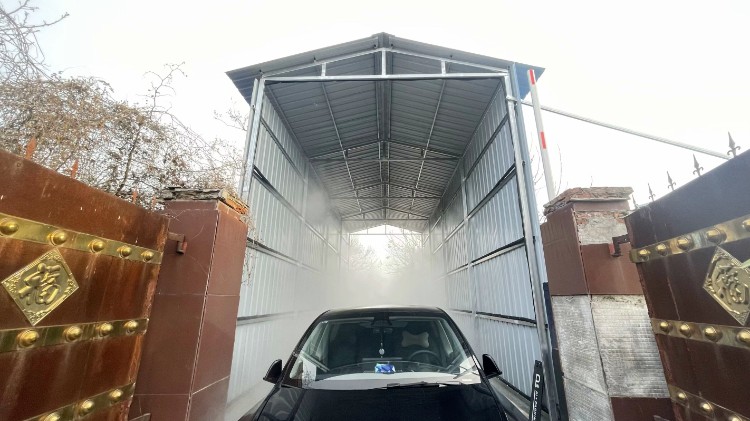
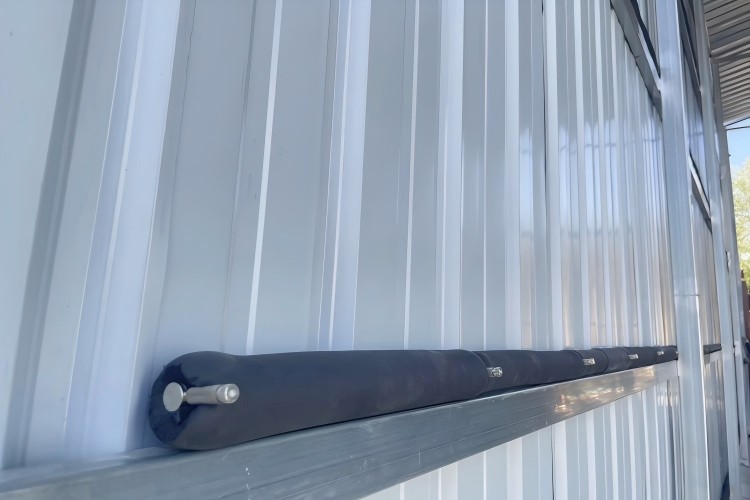
We also place vehicle disinfection stations at farm entrances. Drivers spray tires and foot mats before entering. It’s simple but dramatically reduces cross-contamination.
How HOCl Beats Traditional Chemicals
Here’s why we switched to HOCl and never looked back:
Feature | HOCl | Traditional Bleach |
Safety | Non-toxic | Corrosive |
Residue | None | Leaves chemical residue |
Smell | Odorless | Strong chlorine odor |
Effectiveness | Kills pathogens fast | Slower kill rate |
Compatibility | Safe on metal and plastic | Damages surfaces |
The difference is clear. HOCl gives us peace of mind without the harsh side effects of bleach or chlorine gas.
How We Integrated HOCl into Our Routine
When we first adopted HOCl technology, it felt like stepping into the future. Our HOCl Generator sits right in the utility area, producing fresh solution whenever needed. No storage, no transport, no risk.
We create the solution on-site using just salt, water, and electricity. That means zero reliance on chemical deliveries or plastic waste. It’s eco-friendly and cost-effective.
Plus, we use the same solution to disinfect tools, barns, and even our hands. It’s a single answer to multiple hygiene challenges.
Small Actions, Big Protection
Sometimes, the smallest steps bring the biggest change. Disinfecting vehicles may seem simple, but it protects:
Animal health
Worker safety
Food quality
Public trust
When we care for hygiene, we protect everything that matters—from the field to the table.
We’ve noticed fewer disease outbreaks, cleaner environments, and happier teams. That’s the reward of consistent cleaning and disinfection.
Our Daily Disinfection Checklist
We live by our checklist. It keeps us organized and consistent:
✅ Wash all vehicles daily
✅ Disinfect tires, cabins, and tools
✅ Use hypochlorous acid for every step
✅ Clean driver hands before and after contact
✅ Record every cleaning activity
✅ Check HOCl Generator function weekly
Discipline creates safety. Every mark on that checklist strengthens our farm’s defenses.
A New Standard in Farm Hygiene
We believe disinfection isn’t just a chore—it’s an investment in health and trust. HOCl helps us meet modern hygiene standards without sacrificing sustainability.
Each vehicle we disinfect adds another layer of protection for our animals, our workers, and the families who rely on the food we produce.
When we talk about food safety, we’re talking about responsibility. Clean vehicles mean clean farms. And clean farms mean a cleaner world.
Final Thoughts
Disinfecting farm vehicles sounds routine, yet it’s one of the most powerful disease-prevention habits we have. With HOCl in our toolkit, we combine science, safety, and simplicity.
From the first rinse to the last spray, every action counts. And every drop of hypochlorous acid tells the same story: protection through purity.
Let’s keep our farms healthy, our animals safe, and our food pure—one vehicle at a time.