

Disinfection Methods in Water Treatment
Water is essential for life. Clean water supports homes, farms, and industries. However, natural water sources may contain harmful microorganisms.
Bacteria, viruses, and protozoa can enter water supplies through pollution. These microorganisms may cause health problems.
A good water treatment system must remove these risks. The disinfection process is one of the most important steps.
At Shandong Shine Health, we focus on safe and reliable water disinfection solutions. We believe simple technology can provide strong protection.
Today, many water treatment plants use different methods. The main choices include chlorination, UV light, ozone, and sodium hypochlorite systems.
Each method has advantages. The best choice depends on water quality, system size, and application needs.
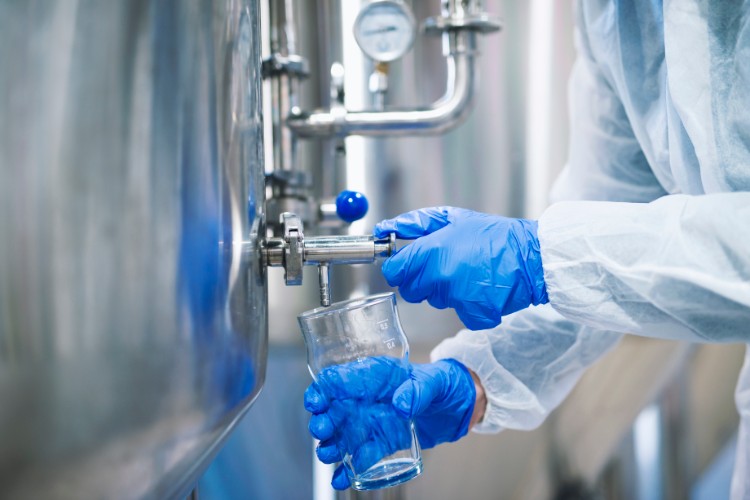
Why Water Disinfection Is Important
Water disinfection helps control harmful microorganisms. It makes water safer for people and businesses.
Before disinfection, water usually goes through several treatment steps.
A common water treatment process includes:
Raw water collection
Filtration
Sedimentation
Chemical treatment
Disinfection
Clean water storage
Filtration removes dirt and particles. Disinfection controls the microorganisms that remain.
This step protects public health and improves water safety.
How Disinfection Kills Microorganisms
Different methods use different actions.
Chlorine uses oxidation to damage microorganisms. UV light damages their DNA. This stops them from growing and spreading.
An effective disinfection system should:
Reduce harmful bacteria
Control viruses
Limit contamination risks
Keep water safe during use
The goal is not only clean water. The goal is safe water.
Chlorination: A Trusted Water Treatment Method
Chlorination is one of the most common methods of disinfection. Many cities use chlorine to treat drinking water.
Chlorine reacts with water and creates hypochlorous acid (HOCl). HOCl is a strong disinfecting substance.
The basic reaction is:
Cl₂ + H₂O → HOCl + HCl
HOCl attacks microorganisms and damages their cells. This process prevents them from reproducing.
One major benefit of chlorine is residual protection. Chlorine can continue working after the water leaves the treatment plant.
This helps protect water during storage and transportation.
Sodium Hypochlorite Generator for Safe Disinfection
A Sodium Hypochlorite Generator produces disinfectant at the site where it is needed.
The system uses electrolysis technology. It converts salt water into sodium hypochlorite solution.
This method reduces the need for chemical delivery and storage.
Our Sodium Hypochlorite Generator provides many benefits:
Safe on-site production
Stable chlorine supply
Easy operation
Lower storage risk
Flexible output control
For drinking water applications, chlorine levels are often controlled around 1–5 ppm.
For larger projects, systems can provide customized production capacity.
Common options include:
0.8% sodium hypochlorite solution
8000 ppm available chlorine
Continuous automatic operation
These systems are suitable for:
Drinking water plants
Industrial water treatment
Agricultural water systems
On-site generation gives operators better control. It also improves chemical supply safety.
UV Light Disinfection
UV light is another important water disinfection method.
It uses ultraviolet UV energy to control microorganisms without adding chemicals.
UV light works by damaging the DNA of bacteria and viruses. After this damage, microorganisms cannot reproduce.
The most common UV-C range is:
200–280 nm
The strongest germ-killing effect usually happens near:
254 nm
Benefits of UV Disinfection
UV disinfection offers several advantages:
No chemical addition
Fast treatment speed
No chemical taste
Low maintenance needs
UV systems are useful for many water applications.
However, UV has one limitation. It does not provide long-term protection after treatment.
Because of this, many systems combine UV with chlorine-based disinfection.
This combination creates stronger protection for water supplies.
Ozone Treatment: Another Disinfection Choice
Ozone is also used in modern water treatment systems. It is a strong oxidizer and reacts quickly with harmful substances.
Ozone can control many types of microorganisms. It can also improve water taste and reduce unwanted odors.
Many large water treatment plants use ozone because it provides strong treatment performance.
The main benefits of ozone include:
Fast reaction speed
Strong oxidation ability
Good control of bacteria and viruses
Reduced odor problems
However, ozone systems have some limits. They require higher equipment costs and professional operation.
Ozone also does not leave a long-lasting disinfectant in water. Because of this, some facilities use ozone together with chlorine or other methods.
In our experience, ozone works best as part of a complete treatment process.
Comparing Different Disinfection Methods
Every water system has different needs. A small drinking water system may need a different solution from a large industrial plant.
When choosing a disinfection method, we should consider:
Water quality
Treatment capacity
Operating cost
Safety requirements
Maintenance needs
There is no single method that fits every situation.
Chlorine, UV, and Ozone Comparison
Each technology has its own strengths.
Chlorination
Advantages:
Low operating cost
Simple operation
Long protection time
Suitable for large water supplies
Limitations:
May create disinfection by-products
Requires careful control
UV Light
Advantages:
No chemicals
Fast action
Effective against many microorganisms
Limitations:
No residual protection
Requires clear water conditions
Ozone
Advantages:
Strong oxidation
Fast reaction
Good water quality improvement
Limitations:
Higher investment
More complex operation
For many applications, a combined system provides the best result.
Controlling Disinfection By Products
Chemical disinfection is very effective. However, operators must control disinfection by-products.
Disinfection by-products may form when chlorine reacts with organic materials in water.
A good treatment process can reduce this risk.
Water treatment plants can control these products by:
Improving filtration
Removing organic matter
Using correct chlorine levels
Monitoring water quality
Proper system design helps balance safety and performance.
Our goal is always effective disinfection with safe operation.
Choosing the Right Water Disinfection Method
Selecting the right system requires careful planning.
Before choosing equipment, we recommend checking:
What is the water source?
How much water needs treatment?
What microorganisms need control?
What level of protection is required?
Different industries have different needs.
Drinking Water Applications
Drinking water requires high safety standards.
Many drinking water systems use:
Filtration
UV disinfection
Chlorination
Online monitoring
A Sodium Hypochlorite Generator can provide a stable chlorine supply.
It helps operators maintain safe chlorine levels. It also reduces chemical storage problems.
Industrial and Agricultural Applications
Industries and farms need reliable water quality.
Safe water supports:
Food processing
Animal production
Factory operation
Environmental protection
On-site sodium hypochlorite systems provide a reliable solution for many applications.
They help users produce disinfectant when needed.
Future Development of Water Disinfection
Water safety is becoming more important around the world.
Population growth and pollution create new challenges for water supplies.
Future water treatment systems will focus on:
Smart control
Energy saving
Automatic operation
Better safety
We believe on-site generation technology will continue to grow.
A Sodium Hypochlorite Generator helps users reduce chemical transportation. It also improves supply stability.
Modern systems can connect with automatic controls. This allows operators to check and adjust the disinfection process easily.
Simple operation and reliable performance will become more important in the future.
Conclusion: Safe Water Starts With Disinfection
Water disinfection protects people and communities. It is a necessary part of every modern water treatment system.
Chlorination, UV light, ozone, and sodium hypochlorite systems all play important roles.
From our experience, on-site sodium hypochlorite production provides a practical solution. It offers safety, stable supply, and easy management.
A Sodium Hypochlorite Generator allows water treatment plants to produce disinfectant locally. This improves efficiency and reduces supply risks.
Clean water needs reliable technology. By choosing the right disinfection method, we can create safer water supplies for the future.