

HOCl Defense Against Nipah Risk
Serious viruses always raise public concern. When news mentions Nipah outbreaks, people want stronger hygiene steps fast. We feel that urgency too. Clean environments help reduce contamination risks in shared spaces.
Surface disinfection forms one practical layer of protection. That is where interest grows in the HOCl Generator for Nipah Virus–related sanitation strategies. We focus on environmental hygiene, not medical treatment. Used correctly, modern systems help manage surface contamination in high-touch areas.
Let’s break this down in simple, real-world terms.
What Makes HOCl-Based Solutions Special
Electrolysis turns basic inputs into an active disinfecting agent. Systems use salt water, controlled electricity, and engineered cells. This process drives hypochlorous acid hocl generation inside the unit.
The resulting HOCl solution belongs to a broad-spectrum disinfectant group. It targets bacteria, viruses and fungi on hard, non-porous surfaces. Many users like that the chemistry resembles substances made by our immune system.
We appreciate this science because it combines simplicity and performance. Salt, water, and power feel accessible. Smart engineering does the heavy lifting.
Understanding Concentration Levels
Why 200 PPM Matters
Routine surface sanitation often uses solutions around 200 PPM. That equals 200 parts per million ppm of available chlorine species. Teams use this level for tables, tools, handles, and shared equipment.
Correct concentration supports effective hygiene while limiting residue. Staff should verify strength using test strips or meters. Good measurement prevents underdosing and overdosing.
When Higher Strength Is Used
Some environments apply stronger mixes for specific cleaning stages. These might approach levels used in comparison with hypochlorous acid solutions. Local health rules should guide these decisions.
Clear labeling and staff training remain essential. Safe practice always comes first.
How the Technology Works
From Salt to Active Agent
Hypochlorous acid generators rely on electrochemical reactions. The system splits salt into reactive species during electrolysis. This design allows units to produce hypochlorous acid on-site.
We like that this setup reduces dependence on chemical deliveries. Fresh solutions often perform more consistently than long-stored liquids. Operators gain control over strength and volume.
What Generators Produce
Modern units offer adjustable output settings. Many generators are used for direct use or short-term storage. Under good conditions, some batches remain usable up to 30 days.
Cool, dark storage improves stability. Routine testing confirms performance over time.
Broad-Spectrum Hygiene Role
Laboratory test results on similar disinfectants show activity against many enveloped viruses. These include influenza viruses and sars cov-2 under controlled conditions. Such data help shape broader hygiene practices.
However, surface disinfection never replaces medical care. It works as one layer in a full infection control plan. Ventilation, hand hygiene, and guidance from health authorities still matter.
We position this technology as environmental support. Clean surfaces reduce overall contamination pressure.
Environmental and Cost Benefits
On-site production improves safety and logistics. Transporting large chemical volumes creates spill risks. Generating a solution locally lowers that exposure.
Many users also value the cost-effective nature of salt-based inputs. Basic materials remain widely available. This helps facilities maintain consistent cleaning schedules.
The process also supports an eco-friendly profile. Diluted residues break down more easily than harsher alternatives.
Practical Use in Daily Settings
Spray Application
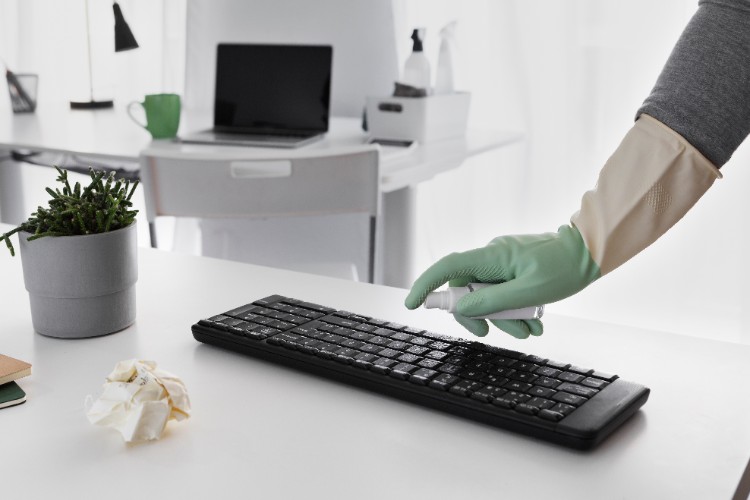
Most teams use spray bottles for quick surface treatment. They spray evenly and allow proper contact time. Wiping follows once the surface stays wet long enough.
This approach works well in homes, clinics, and transport vehicles. Frequent cleaning becomes easier when the solution feels manageable.
High-Touch Environments
Shared tools, door handles, and counters need extra attention. Structured schedules keep sanitation consistent. Written logs help teams stay accountable.
We often say, “Routine beats panic cleaning.” Steady habits win over time.
Comparison With Traditional Chlorine
Traditional hypochlorous acid products serve many industries. They work well but may carry a strong odor and handling challenges. Electrolyzed options aim to balance effectiveness with user comfort.
Both methods rely on chlorine chemistry. The difference lies in concentration control and production style. On-site systems allow flexible output based on daily needs.
We see facilities combine approaches depending on task type. Smart selection improves results.
Where This Fits in Risk Reduction
Let’s stay realistic. No surface disinfectant alone can stop a disease outbreak. Still, reducing contamination on hard surfaces lowers indirect transmission risk.
Structured hygiene programs often include:
Correct parts per million ppm levels
Routine surface schedules
Staff training
Ventilation and airflow control
Clear documentation
Together, these measures strengthen environmental cleanliness. Layered protection works better than single solutions.
Our View From Experience
We work closely with sanitation teams and facility managers. We see how confidence grows when people control their cleaning tools. Turning salt water into a usable disinfecting resource feels empowering.
Technology should support people, not overwhelm them. Systems that reliably create disinfecting solutions help teams stay prepared. That readiness matters during uncertain health events.
Clean surroundings cannot solve everything, but they form a solid defensive layer. Step by step, those layers build safer shared spaces.