

Intervention Farm Animal Care Disinfectant
Farm life feels simple from a distance. Fresh air. Open fields. Healthy animals. Yet behind the scenes, germs spread fast. If we fail to clean and disinfect properly, disease moves through a barn like wildfire. That risk threatens animal health and food safety.
We created Intervention Farm Animal Care Disinfectant to solve that problem. We focus on stability, safety, and real-world results. With the right concentration and proper contact time, we can kill germs without harming animals or equipment. Let’s walk through how it works and why it matters.
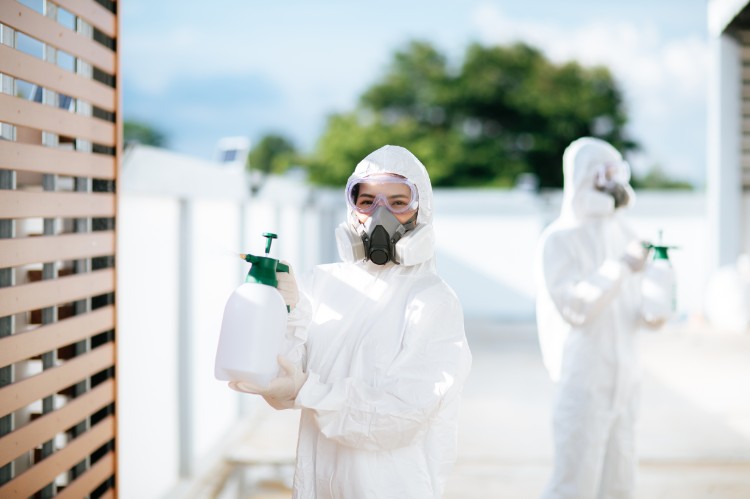
Why Farm Disinfection Matters More Than Ever
Modern farms move fast. Workers handle feed, water lines, and tools daily. Trucks enter and leave constantly. Every step increases the chance of contamination.
When bacteria and viruses enter a barn, they multiply quickly. Warm air and moisture help them thrive. Without intervention, they reduce productivity and increase medical costs.
We believe prevention costs less than treatment. So we focus on strong sanitation routines. A reliable disinfectant helps reduce the risk of cross-contamination between pens, surfaces, and staff boots.
Clean barns mean healthier animals. Healthier animals mean better performance. That connection drives everything we do.
What Makes Intervention Farm Animal Care Disinfectant Different
Many products promise results. Few deliver consistent performance in real farm conditions. Dust, manure, and organic matter often weaken traditional chemicals.
Our solution relies on hypochlorous acid (HOCl). This compound forms naturally in white blood cells. It helps animals and humans fight infection. We simply produce it in a controlled way using advanced hypochlorous acid generators.
The result? A fast-acting disinfectant that works at 200 PPM. That equals 200 parts per million ppm of active solution. At this concentration, we strike a balance between strength and safety.
Unlike harsh chlorine bleach, this formula leaves minimal residue. Workers can apply it around animals with confidence. Equipment lasts longer. Surfaces stay intact.
How 200 PPM Works on the Farm
Understanding Parts Per Million (PPM)
Farm managers often ask what 200 PPM really means. Simply put, it measures concentration. If we mix 200 units of active ingredient into one million units of water, we reach 200 parts per million ppm.
This level works well in livestock environments. It kills many common pathogens while staying gentle on surfaces. Stronger is not always better. Precision matters more.
Target Pathogens at 200 PPM
At 200 PPM, we can kill germs such as:
E. coli
Salmonella
Staphylococcus
Avian influenza virus
Swine-related pathogens
Of course, results depend on the correct contact time. Most surfaces require 5–10 minutes. We always recommend cleaning visible dirt before applying disinfectant.
Clean and Disinfect: The Right Way
Cleaning and disinfection are not the same thing. First, we remove manure, bedding, and feed residue. Then we apply the disinfectant.
If we skip cleaning, organic matter blocks the active solution. That reduces effectiveness. Therefore, we follow a simple two-step method:
Remove debris.
Wash with water.
Apply a 200 PPM solution.
Allow proper contact time.
Let surfaces air dry.
This method protects every food contact surface. It also supports overall food safety standards. When barns stay clean, contamination during processing drops sharply.
Applications Across Livestock Operations
Intervention Farm Animal Care Disinfectant adapts to many settings. Flexibility makes it practical for daily use.
Poultry Houses
Poultry farms face rapid bacterial spread. We spray walls, floors, and drinker lines regularly. Consistent use helps reduce the risk of flock infection.
Swine Facilities
Swine barns contain high humidity. That environment encourages viral survival. Routine fogging and surface wiping keep pathogen levels under control.
Dairy Farms
Milking areas require extra attention. Workers must clean and disinfect food contact surface equipment carefully. We apply measured doses and monitor contact time to protect milk quality.
Transport Vehicles
Trucks often spread disease between farms. We disinfect loading ramps and vehicle interiors after each trip. This step may seem small, but it makes a big difference.
How Hypochlorous Acid Generators Improve Safety
We manufacture advanced hypochlorous acid generators to ensure stable output. On-site production solves many storage issues. Farms no longer depend on unstable chemicals.
Fresh Production On Demand
Traditional disinfectants degrade over time. However, on-site systems create a fresh solution daily. Fresh solution means stronger activity and predictable performance.
Controlled Concentration
Our equipment allows operators to set 200 PPM accurately. That control ensures consistency. When concentration stays stable, results stay reliable.
We limit the use of the term HOCl Generator, but the technology matters. Reliable generation protects workers and animals alike.
Food Safety Starts in the Barn
Many people think food safety begins at the processing plant. We disagree. It begins in the barn.
If we reduce pathogen load early, we protect the entire supply chain. Clean housing lowers contamination risk during slaughter and packaging. That action protects consumers and brand reputation.
Government agencies stress sanitation standards. For example, the United States Department of Agriculture (USDA) emphasizes biosecurity on farms. The Food and Agriculture Organization (FAO) highlights hygiene in livestock production. Their guidance aligns with our mission.
We also monitor recommendations from the World Health Organization (WHO). Strong farm sanitation reduces zoonotic disease risks. Clean barns protect communities.
Best Practices for Maximum Effectiveness
Even the best disinfectant fails without proper use. We train farms to follow simple guidelines.
Measure Concentration Carefully
Always confirm 200 PPM using test strips or digital meters. Guesswork leads to inconsistent results.
Respect Contact Time
Do not rush. If labels recommend 10 minutes, give it 10 minutes. Shortcuts weaken protection.
Rotate Cleaning Tools
Brushes and cloths can carry bacteria. Replace or disinfect them often.
Monitor Water Quality
Hard water can affect stability. Test water sources periodically to maintain solution strength.
A Practical Approach With Real Emotion
We work closely with farm owners. We see their stress during outbreaks. Nobody enjoys watching animals suffer. Nobody wants to lose productivity.
That emotional weight drives us. We design solutions that fit daily routines. We avoid complicated steps. Farmers need reliability, not laboratory jargon.
Sometimes we joke that microbes never sleep. Unfortunately, it is true. So we build systems that stay ready 24/7. Consistent sanitation protects investments and livelihoods.
Environmental and Worker Benefits
Harsh chemicals create fumes and corrosion. Workers often complain about strong smells. Equipment rusts faster under chlorine exposure.
Hypochlorous acid (HClO) breaks down into simple saline after use. It leaves fewer residues and less odor. That feature improves worker comfort.
Lower corrosion also extends equipment life. Over time, farms save money on maintenance and replacement parts.
Why We Stand Behind Intervention Farm Animal Care Disinfectant
We believe sanitation should feel straightforward. Clear concentration. Clear instructions. Clear results.
By using 200 PPM correctly, farms can:
Kill germs effectively
Reduce the risk of disease spread
Protect every food contact surface
Support long-term food safety
Improve worker confidence
We manufacture reliable hypochlorous acid generators to support these goals. Our systems create stable output and reduce chemical waste. With careful control of parts per million ppm, farms gain predictable protection.
In the end, healthy animals produce safe food. Safe food builds trust. And trust sustains agriculture.
Conclusion: Small Steps, Big Impact
Intervention Farm Animal Care Disinfectant offers more than a cleaning solution. It delivers a structured biosecurity strategy. When we clean and disinfect correctly, we create safer barns and stronger farms.
Disease prevention does not require drama. It requires discipline. With proper contact time, accurate 200 PPM concentration, and consistent routines, farms stay ahead of pathogens.
We feel proud when we see healthy livestock thrive. That success starts with sanitation. And sanitation starts with smart decisions made every single day.