

Can HOCl Work With Retinol?
As skincare professionals and manufacturers, we hear this question every week: Can you use hypochlorous acid with retinol?
We get it. Retinol feels powerful. Hypochlorous acid sounds technical. Mixing strong actives can feel risky.
So today, we speak plainly. We share science, experience, and a little humor. Let’s settle this once and for all.
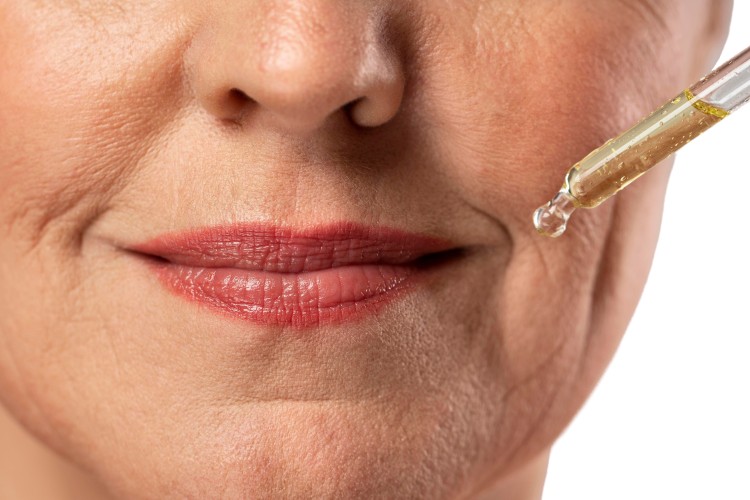
Understanding Hypochlorous Acid in Skincare
Hypochlorous acid (HOCl) sounds harsh. In reality, your body makes it daily.
White blood cells produce hypochlorous acid to support healing processes and defend skin.
That fact still amazes us.
In skincare, HOCl works as a soothing, balancing ingredient. It supports the skin’s natural defenses. It calms irritation. It helps maintain a healthy skin barrier.
Key traits we love:
Gentle on sensitive skin
Supports healing without burning
Mimics skin’s natural chemistry
Suitable for all skin types
When we apply hypochlorous acid spray, the skin usually feels calm, not tight. That matters when retinol enters the routine.
What Retinol Does to Your Skin
Retinol works hard. Sometimes too hard.
Retinol products speed up cell turnover. They soften fine lines. They improve texture and tone. Yet they often cause side effects.
Common retinol reactions include:
Redness
Dryness
Flaking
Temporary sensitivity
Retinol challenges the skin barrier before it improves it. We respect that power. We never underestimate strong actives.
This leads to the big question: can hypochlorous acid be used with retinol safely?
Can You Use Hypochlorous Acid With Retinol?
Yes. In most routines, you can use retinol and hypochlorous acid together.
We say that confidently.
Hypochlorous acid does not strip retinol. It does not break it down. It does not cancel out retinol when used correctly.
So no, hypochlorous acid does not deactivate retinol.
Instead, it often helps skin tolerate retinol better. That’s the surprise many people love.
Why this pairing works:
HOCl calms irritation from retinol
It supports the skin barrier
It reduces visible redness
It feels soothing, not reactive
Used wisely, this combo feels like balance, not conflict.
Does Hypochlorous Acid Cancel Out Retinol?
We hear this concern often. Short answer: no.
Hypochlorous acid works at a different level than retinol. Retinol targets cell turnover. HOCl supports the skin’s surface environment.
They do not neutralize each other.
However, timing matters. Application order matters. Skin type matters.
Think teamwork, not tug-of-war.
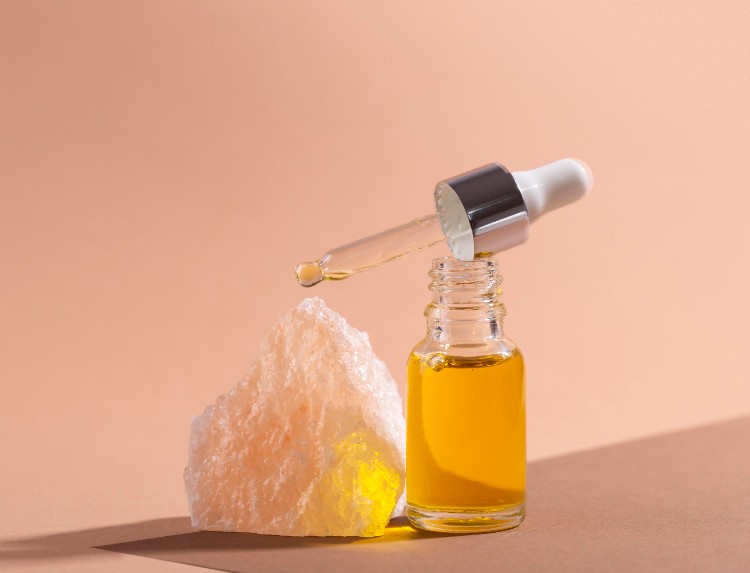
How to Layer Hypochlorous Acid and Retinol
Layering decides success or irritation.
We recommend this simple skincare routine:
Cleanse gently
Apply hypochlorous acid spray
Wait 1–2 minutes
Apply retinol products
Seal with moisturizer
This method lets HOCl calm the skin first. Retinol then works without added stress.
Important tips:
Use HOCl on clean skin
Let skin dry before retinol
Start retinol slowly
Moisturize generously
When done right, skin often feels calmer by morning.
Should You Mix Hypochlorous Acid With Retinol?
No. Please don’t mix them in your hand.
Can I mix hypochlorous acid with retinol? Technically yes, but practically no.
Mixing changes texture and absorption. It also reduces control. Layering works better. Always.
Does Hypochlorous Acid Deactivate Retinol?
We want to be crystal clear.
Hypochlorous acid does not deactivate retinol.
Hypochlorous acid does not cancel out retinol.
Science supports this. Experience confirms it.
What can reduce retinol effectiveness?
Overuse
Sun exposure
Poor storage
Mixing with unstable acids
HOCl does not fall into that list.
Hypochlorous Acid vs Other Acids With Retinol
Not all acids behave the same.
Let’s compare:
Salicylic acid + retinol → higher irritation risk
Glycolic acid + retinol → barrier stress
Strong exfoliating acid with retinol → not beginner-friendly
Hypochlorous acid stands apart.
It does not exfoliate. It does not peel. It supports.
That’s why many dermatologists prefer HOCl for sensitive skin routines.
Can Sensitive Skin Use This Combo?
Yes, with care.
We always suggest a patch test. Even gentle ingredients deserve respect.
Patch test tips:
Apply behind the ear
Wait 24 hours
Watch for redness or itching
If skin stays calm, proceed slowly.
Why HOCl Helps Retinol Work Better
This is our favorite part.
Retinol pushes skin to renew. HOCl helps skin recover.
Together, they support:
Faster healing
Reduced redness
Improved tolerance
Stronger skin barrier
We’ve seen users quit retinol before. HOCl helped them return without fear.
That feels good.
When to Apply Hypochlorous Acid
Timing matters.
Best times to apply HOCl:
Before retinol at night
After shaving
During irritation phases
Post-procedure skin care
Avoid applying directly after retinol. Skin needs time to absorb actives.
Common Side Effects and How to Avoid Them
Even gentle routines can go wrong.
Possible side effects include:
Temporary tingling
Mild dryness
Overuse sensitivity
How do we avoid issues?
Use retinol 2–3 nights weekly
Apply HOCl once daily
Moisturize every time
Avoid mixing strong actives
Listen to your skin. It speaks clearly.
Our Perspective as HOCl Experts
As manufacturers of professional HOCl systems, we respect skin science deeply.
We design our solutions to support the skin’s natural balance.
We never chase trends. We follow biology.
Hypochlorous acid exists in your body already. Retinol does not. That contrast explains why HOCl feels so comforting next to powerful ingredients.
We’ve watched users regain confidence. We’ve seen redness fade. We’ve heard relief in their voices.
That’s why we trust this pairing.
Final Verdict: Can You Use Retinol and Hypochlorous Acid?
Yes. You can. And for many people, you should.
When layered correctly:
Hypochlorous acid supports skin
Retinol delivers results
The skin barrier stays happier
This combo works best for people who want results without regret.
Our advice stays simple:
Respect strong actives
Support skin’s natural defenses
Choose balance over aggression
Skincare should feel empowering, not intimidating.