

What is RO System of Water Treatment
We work in water treatment every day, so we see one truth clearly. Clean water changes lives. That is why people keep asking us the same question: what is the RO system of water treatment, and why does it matter so much today?
Reverse osmosis sounds technical, yet the idea stays simple. An RO system pushes water through a very fine barrier to remove unwanted stuff. The result feels lighter, tastes better, and supports safer drinking water. Let us walk through it together, step by step, in plain language.
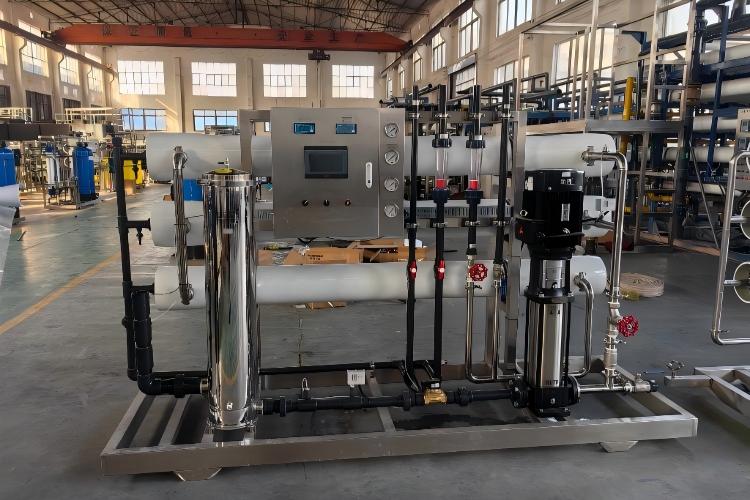
Understanding RO Water Treatment Basics
An RO system of water treatment relies on pressure, not magic. We take feed water from a water source and guide it through a controlled system design. This process removes impurities while letting clean water molecules pass through.
Most reverse osmosis systems use several stages. Each stage plays a role in protecting the core RO membrane. Together, these systems, including filters and membranes, deliver purified water with lower total dissolved solids.
In daily life, RO water supports homes, hospitals, and industries. We often smile when people say RO water tastes “soft.” They are not wrong.
How Reverse Osmosis Works
Reverse osmosis works by applying pressure against natural osmotic flow. Instead of water moving toward higher salt levels, pressure pushes it the other way.
A semipermeable membrane sits at the heart of the process. It blocks salts, metals, and microbes. Only tiny water molecules squeeze through, leaving contaminants behind.
This simple idea powers modern water purification across the world.
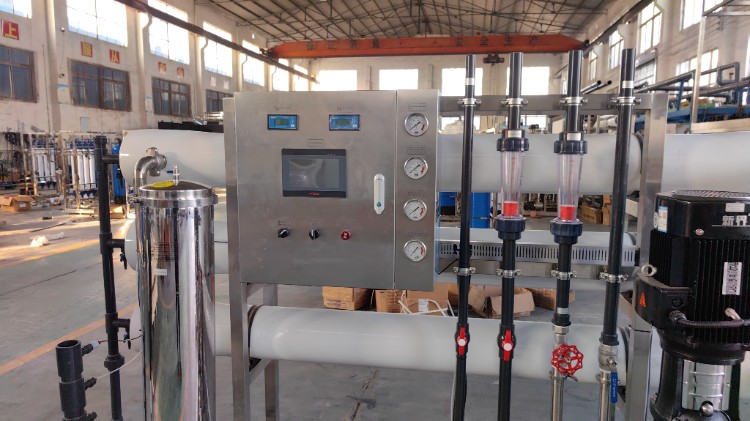
Key Components of Reverse Osmosis Systems
Every RO setup shares common building blocks. The exact layout may change, but the logic stays the same. Each part supports stable water flow and reliable output.
Here are the main components you will find:
Pre-filters to remove sediment and chlorine
RO membrane for deep purification
Flow restrictor to control pressure
Storage tank for purified water
Post-filter for taste polishing
These parts work together like a team. When one fails, performance drops fast.
The Role of the RO Membrane
The RO membrane decides water quality. We treat it with respect. This thin layer rejects up to 99% of dissolved solids.
High-pressure forces feed water across the membrane surface. Clean reverse osmosis water passes through, while waste flushes away. This step defines the entire water treatment result.
Membrane quality directly affects the gallons of water produced each day.
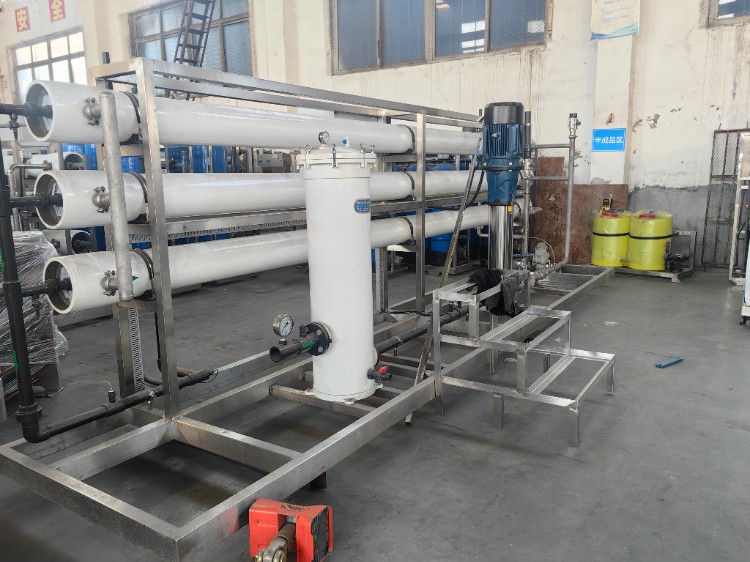
Why RO Systems Matter for Drinking Water
Safe drinking water should never feel optional. RO systems protect people from invisible risks that often hide in water supplied to homes.
Many water sources carry salts, heavy metals, or chemical traces. RO treatment removes these threats before they reach the glass. That peace of mind matters.
We often feel proud when families tell us their children drink more water after installing the RO. Taste builds trust.
RO Water vs Other Purification Methods
Not all purification methods deliver the same results. Some improve taste only. Others target bacteria but miss dissolved solids.
RO water stands out because it removes a wide range of contaminants. Compared to basic filters, reverse osmosis systems offer deeper purification. Compared to distillation, RO saves energy and time.
That balance explains its global popularity.
RO System Design and Water Flow
System design shapes performance. Poor layout wastes water and energy. Smart design improves efficiency and lifespan.
Water flow must stay balanced. Too much pressure damages membranes. Too little pressure reduces output. Engineers tune each system to match the water source.
We always recommend matching system design to real usage needs. Overbuilding wastes money.
Feed Water and Pressure Control
Feed water quality defines everything downstream. Hard water stresses membranes. That is why many RO setups pair with a water softener.
Pressure pumps then push water through the system. Stable pressure protects the semipermeable membrane and improves recovery. Controlled pressure equals consistent purified water.
Small adjustments here make a big difference.
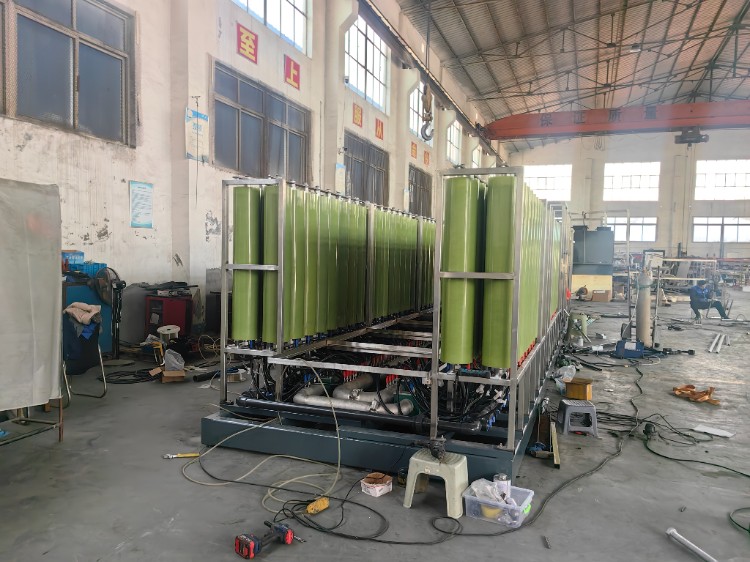
Water Quality and Total Dissolved Solids
Total dissolved solids, or TDS, measure what hides in water. High TDS often means a salty taste or scaling issues.
RO systems reduce TDS dramatically. We often see reductions from 500 ppm down to under 50 ppm. That shift changes taste, safety, and equipment life.
Lower TDS also supports appliances, coffee machines, and medical tools.
Measuring RO Water Quality
You can measure RO water quality with a TDS meter. The device gives fast feedback. Numbers drop when membranes work well.
Regular testing keeps systems honest. We encourage users to check monthly. Clean data builds confidence.
RO Systems in Industrial and Commercial Use
Homes love RO, but the industry depends on it. Food processing, labs, and healthcare rely on stable water purification.
In many facilities, RO pairs with disinfection systems. For example, a Sodium Hypochlorite NaOCl Generator may support microbial control after RO treatment. This combination protects both equipment and people.
We see RO as the foundation of modern water treatment systems.
Capacity and Gallons of Water Produced
Industrial RO systems handle thousands of gallons of water daily. Flow rates depend on membrane size and pressure.
Designers calculate recovery ratios carefully. High recovery saves water but risks fouling. Balance keeps systems efficient and reliable.
Smart design always beats brute force.
Maintenance, Cost, and Long-Term Value
RO systems reward good care. Neglect shortens lifespan fast. Simple habits keep systems healthy.
Key maintenance tasks include:
Replacing pre-filters on schedule
Flushing membranes regularly
Monitoring water flow and pressure
Testing purified water quality
Costs vary by size and application. Still, RO often costs less long-term than bottled water or frequent repairs.
Is RO Water Always the Best Choice?
RO water fits most needs, but not all. Some applications prefer mineral retention. Others need ultra-pure output.
We believe informed choice matters most. Understand your water source first. Then choose the right solution.
When used correctly, RO delivers high-quality drinking water with confidence.
Final Thoughts on RO Water Treatment
We see reverse osmosis as both science and service. It protects health, improves taste, and supports modern life.
Understanding what the RO system of water treatment is helps people make better decisions. Clean water should feel simple, not confusing. With the right system design, RO delivers purified water you can trust.
That trust keeps us passionate about water, every single day.