

Choosing the Right Livestock Disinfectant
Running a livestock farm feels like juggling fire sometimes. We protect animals, staff, and food chains at once. Because of that pressure, we care deeply about what we use to clean and disinfect.
A poor choice costs money, trust, and animal health. A smart choice keeps barns calm and production steady.
Below, we share what we look for in a disinfectant for livestock. We speak from experience, mistakes, and a few hard lessons learned along the way.
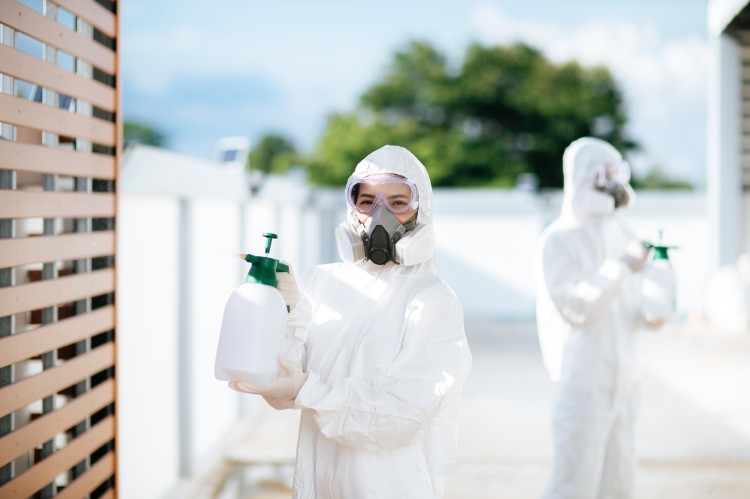
Why Disinfectant Choice Matters on Farms
Every farm holds invisible threats. Bacteria and viruses hide in corners, drains, and tools. We see them thrive when we relax standards. So we never treat disinfection as a background task.
A livestock disinfectant must support daily operations. It must protect animals without harming people. It must work fast without drama. Most importantly, it must fit real farm life, not a lab fantasy.
The Real Cost of Poor Disinfection
Poor products cause silent losses. Animals eat less. Mortality creeps up. Odor increases. We have seen farms chase symptoms instead of causes.
Bad disinfection also wastes labor. Staff spray again and again with no result. That frustration kills discipline fast. Good chemistry saves time and morale.
Safety Always Comes First
We start with safety every single time. If a product scares workers, they will avoid it. If it irritates animals, stress will rise. Stress invites disease faster than dirt.
We prefer solutions that feel gentle yet act strongly. Modern disinfectant products now balance power with care. That balance did not exist years ago.
Skin, Eyes, and Breathing Matter
Farm staff use disinfectants daily. Splashing happens. Mist drifts. Smells linger. A good product respects lungs and skin.
We like options based on hypochlorous acid because they feel mild. Our bodies even produce similar substances naturally. That fact builds trust quickly.
Effectiveness Against Bacteria and Viruses
Safety means nothing without performance. We test how well products handle bacteria and viruses across surfaces. Farms host organic material everywhere. Manure and feed challenge every disinfection process.
We look for fast kill rates. Long waits slow work and raise costs. Speed keeps routines realistic.
Consistency Beats Claims
Marketing words mean little to us. We focus on repeatable results. We want the same outcome in summer heat and winter cold.
Electrolyzed water solutions often perform well here. They stay stable when produced correctly. That reliability matters on large farms.
Handling Organic Material Properly
Organic material blocks many disinfectants. Dust, fat, and protein protect microbes like armor. We never skip this step.
We always clean and disinfect in the right order. First, remove visible dirt. Then apply chemistry. That simple rule saves money and headaches.
Cleaning Before Disinfection
Cleaning removes barriers. Disinfection finishes the job. We train staff to respect that sequence.
Skipping cleaning shortens the contact time effectiveness. We see better results when surfaces look boring and clean before spraying.
Surface Compatibility on Livestock Farms
Farms hold every surface type imaginable. Concrete cracks. Rubber mats flex. Wood absorbs. Metal corrodes.
We demand versatility. A disinfectant must work on porous surfaces and smooth ones alike. Otherwise, we juggle too many bottles.
Porous Surfaces Need Special Care
Porous surfaces trap moisture and microbes. We choose products that penetrate without soaking forever. Drying matters more than people think.
After spraying, we let the areas dry completely. That step prevents regrowth and slippery floors. Animals appreciate dry footing, too.
Contact Time Must Match Reality
Contact time often kills good intentions. Labels ask for ten minutes. Reality offers three. We plan for reality.
We prefer disinfectants with short effective contact time. That keeps routines honest and compliance high.
Fast Action Builds Discipline
When staff see results fast, they follow rules better. Long waits invite shortcuts. Short times encourage consistency.
Spray bottle application works well here. It gives control and visibility. People trust what they can see.
Food Contact Surface Safety
Livestock farms also touch food systems. Feed bins. Milking equipment. Egg belts. These areas demand extra care.
We insist on food contact surface compatibility. Rinsing steps should stay simple. Residual risks must stay low.
Residue Awareness
No one wants chemical flavors in milk or meat. Clean chemistry protects brands and buyers.
Hypochlorous acid solutions often shine here. They break down naturally after use. That behavior fits food safety goals.
Ease of Use for Farm Staff
Complex systems fail fast on farms. We choose simplicity every time. Clear dilution rules matter. Easy storage helps.
Staff turnover happens. Training must stay short. A product should explain itself through use.
Simple Tools Work Best
We favor spray bottle systems for small areas. Larger barns need sprayers or foggers. Flexibility keeps costs down.
Electrolyzed water systems also reduce transport and storage risks. Fresh production feels safer and smarter.
Environmental and Equipment Impact
We care about land and machines. Harsh chemicals corrode equipment and drain soil life. Repairs cost more than product savings.
A good disinfectant respects steel and seals. It should not stain floors or eat gaskets.
Long-Term Farm Health
Sustainability now affects profits. Buyers ask questions. Audits dig deeper.
Choosing gentler chemistry supports long-term contracts. It also helps our own conscience sleep better.
Why Modern Farms Shift Toward New Solutions
Traditional disinfectants still exist. Bleach and quats still sell. Yet farms evolve.
We see growing interest in systems like the HOCl Generator because they offer on-site control. We mention it sparingly because performance matters more than names.
Control and Freshness
On-site generation reduces storage risks. Fresh solution means predictable strength.
That control helps large operations standardize across locations.
Balancing Cost and Value
Cheap products cost more later. Expensive ones waste budgets. We look for value.
We calculate the cost per treated square meter. We factor labor time. We include equipment wear.
Hidden Costs Add Up
Long contact time increases labor. Harsh fumes slow work. Corrosion eats budgets quietly.
Balanced disinfectant products often win over time. Numbers tell the story clearly.
Our Practical Checklist for Selection
We keep decisions grounded. When choosing a disinfectant for livestock, we ask simple questions:
Does it kill bacteria and viruses fast?
Does it handle organic material well?
Is it safe for animals and people?
Does it work on porous surfaces?
Can staff use it without stress?
Does it dry completely?
Does it suit the food contact surface needs?
If answers feel shaky, we keep searching.
The Human Side of Disinfection
Farming runs on people. Products must respect that truth. Smell matters. Feel matters. Trust matters.
We laugh sometimes when the staff names products. Friendly chemistry gets nicknames. Harsh ones get curses.
That emotional response tells us everything.
Final Thoughts From Our Experience
Choosing the right disinfectant feels boring until it saves a herd. Then it feels brilliant. We have watched better hygiene transform farms quietly.
We believe smart disinfection supports animal welfare, staff pride, and business stability. The right choice removes fear and guesswork.
In the end, good disinfection feels invisible. And that is exactly how we like it.