

How to Disinfect Plastic Food Containers
We all have that drawer full of cloudy lunch boxes. They smell like old pasta and mystery soup. We want them clean, safe, and ready for food storage again. So today, we share our real routine on how to Disinfect Plastic Food Containers.
We test methods in our lab and in our kitchen. Some tricks work great. Others waste time. Let’s walk through the steps that really kill bacteria and remove stains.
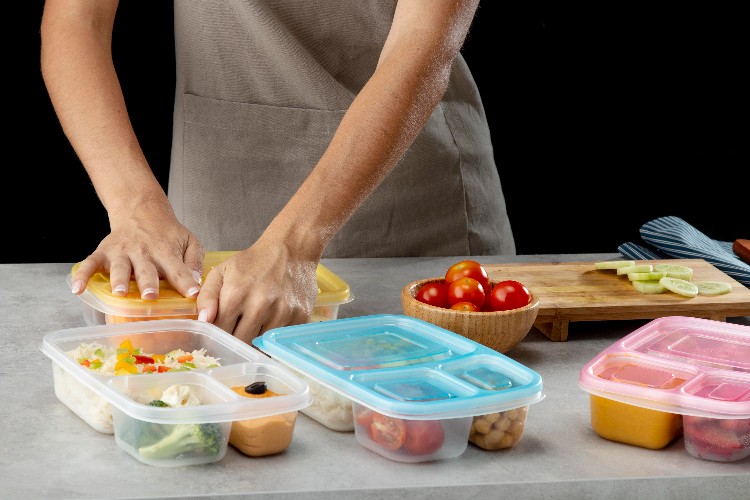
Why Plastic Containers Need Care
Plastic holds stains and odors. Tomato sauce leaves a red shadow. Curry leaves a smell that lingers for 30 days. If we skip deep cleaning, germs stay inside scratches.
Dirty containers can grow mold. They can also affect food taste. Good cleaning protects our family and keeps food fresh.
Signs Your Containers Need Disinfection
Sticky film after washing
Lingering odors after a hot water rinse
Visible stains and odors
Cloudy surface that feels rough
If we see these signs, we act fast.
Step 1: Pre-Clean With Dish Soap
First, we wash with dish soap. This removes grease and loose dirt. It also helps disinfectant work better.
Fill the sink with warm water. Add a few drops of soap. Scrub lids and corners with a soft brush.
Quick Pre-Clean Checklist
Use warm water, not boiling water
Scrub seams and lids
Rinse with clean water to remove soap
Air dry for 10 minutes
This step sounds basic. Yet it matters more than fancy chemicals.
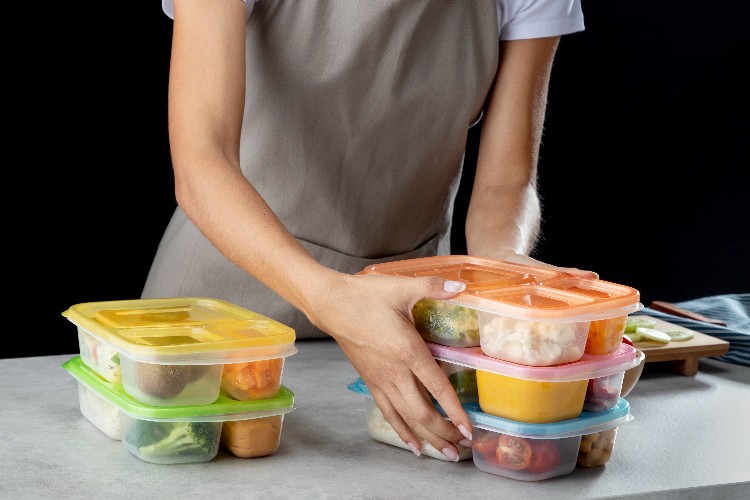
Step 2: Use Safe Disinfection Methods
After pre-cleaning, we disinfect. We like gentle solutions that still kill bacteria. Two options work best: hypochlorous acid (HOCI) or diluted chlorine bleach.
Option A: HOCl Solution at 50-100 PPM
We make a 50-100 PPM solution. That means 50-100 parts per million ppm of active disinfectant. This level works well for food contact items.
Soak containers for 15 minutes. Make sure liquid touches all surfaces. Then rinse with clean water to remove residue.
We often make HOCl using our lab unit or a small home device. It uses table salt and water treatment electrolysis. The result smells mild and feels safe on the skin.
Option B: Diluted Chlorine Bleach
Bleach also works. Mix one tablespoon of bleach in one gallon of water. Soak containers for 30 minutes.
After soaking, rinse well with hot water. Let containers air dry fully. Never mix bleach with other cleaners.
Both methods kill bacteria fast. Yet HOCl feels gentler and leaves fewer lingering odors.
Step 3: Remove Stains With Baking Soda
Some stains laugh at soap. We fight back with baking soda paste. Mix baking soda with a little warm water.
Rub paste on stains. Let it sit for 15 minutes. Then scrub and rinse.
Stubborn Stain Tricks
Add lemon juice for extra power
Use a soft cloth to avoid scratches
Repeat once for deep stains
We once rescued a container that held chili for weeks. Baking soda saved it. My coworkers cheered like we won a trophy.
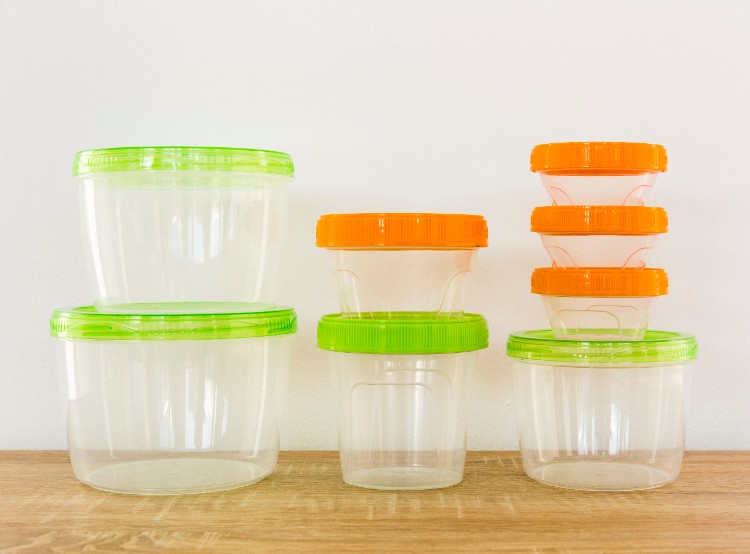
Step 4: Fight Lingering Odors
Plastic traps smell like a sponge. We use simple tricks to remove stains and odors.
Soak containers in warm water with baking soda overnight. Or leave them in sunlight for one hour. UV light helps break odor molecules.
Odor-Free Storage Tips
Store containers open
Avoid sealing wet lids
Rinse after strong foods
These habits stop smells before they start.
Step 5: Proper Drying Matters
Drying prevents new germs. We always air-dry on a rack. Towels can carry bacteria.
Use a hot water rinse before drying. Heat helps kill remaining germs. Then place containers upside down for airflow.
Drying Checklist
Leave space between containers
Dry lids separately
Avoid stacking wet plastic
It sounds simple. Yet it keeps food storage safe.
Step 6: How Often Should We Disinfect?
Daily washing is fine for light use. Deep disinfection works best once a week. If containers held raw meat, disinfect right away.
We also disinfect after illness in the house. Germs travel fast. Better safe than sorry.
Cleaning Schedule Guide
Daily: dish soap wash
Weekly: 50-100 PPM soak
Monthly: stain and odor check
Every 30 days: full inspection
Routine cleaning saves money and time.
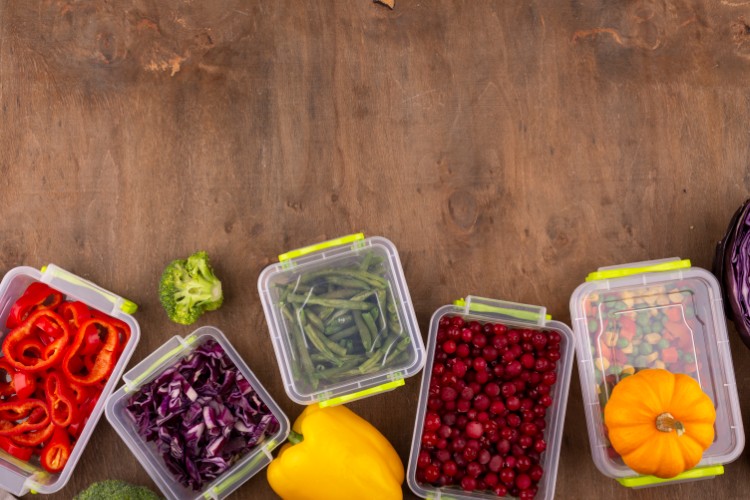
Step 7: Make Your Own HOCl Solution
We love making our own disinfectant. It feels smart and cost-effective. A small device can produce a safe solution using water and table salt.
We set the concentration to 50-100 parts per million ppm. The solution works well for food containers. It also works for kitchen counters and cutting boards.
We use our Hypochlorous Acid Generator in our test room. We keep runs short and store the solution in dark bottles. Fresh solution works best.
Safety Tips When Making HOCl
Use clean water
Add the correct table salt amount
Store in a dark bottle
Use within 30 days
Fresh solution keeps strength high.
Step 8: Mistakes to Avoid
We learned these lessons the hard way. Avoid them and save stress.
Common Cleaning Errors
Using boiling water that warps plastic
Skipping rinse after disinfectant
Mixing bleach with soap
Storing containers wet
One warped lid taught me patience. Now I test the water with my hand first.
Extra Tips for Busy Kitchens
Life gets busy. Kids lose lids. Lunch spills in bags. Here are fast tricks we use.
Quick Cleaning Hacks
Keep a small spray bottle with HOCl
Wipe containers before stains set
Label containers with dates
Toss cracked containers
Clean containers make cooking joyful. And yes, we fight fewer fridge smells.
Why We Care About Clean Containers
We build sanitation tools every day. Yet we still worry about family meals. Clean containers protect health and taste.
Good cleaning also reduces plastic waste. When containers last longer, we buy less. That helps our planet and our budget.
Final Thoughts
Clean plastic containers do not need harsh steps. We start with dish soap and warm water. Then we use a 50-100 PPM disinfectant soak for 15–30 minutes. We rinse with clean water to remove residue and air dry.
Add baking soda for stains and odors. Check containers every 30 days. Toss damaged ones. Follow these steps and your food storage stays safe and fresh.
We hope our guide helps you. Your kitchen deserves peace, not mystery smells.