

Dental Waterline Disinfection That Works
Dental Waterline Disinfection That Works
We have spent years working with dental professionals, and one truth always stands out. Clean dental water builds trust faster than fancy chairs or bright lights. Patients may not see dental unit waterlines, but they feel the results during dental treatment. When water quality slips, risks rise inside the oral cavity.
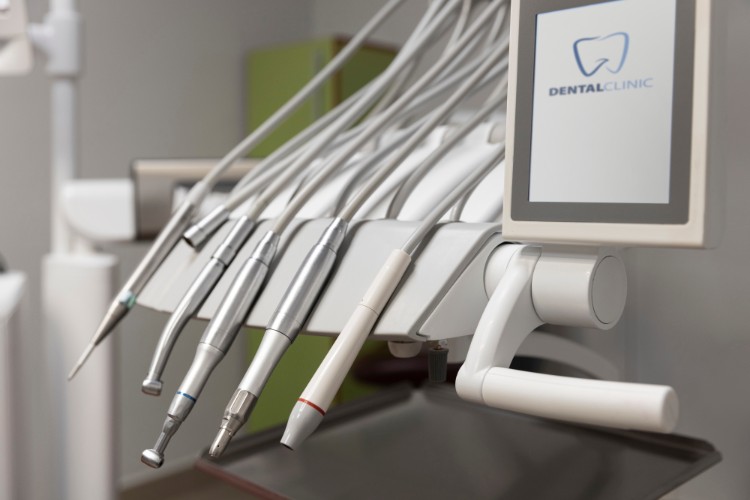
Dental unit waterline disinfection matters because water touches everything. It flows through air, water syringes, handpieces, and scalers. If clinics ignore it, bacteria grow fast and silently. We care deeply about solving this problem because safe water protects people, not just pipes.
Why Dental Unit Waterlines Need Attention
Dental unit waterlines (DUWL) use narrow tubing and slow flow. These conditions encourage biofilm growth. Once bacteria settle in, they multiply quickly and resist simple flushing.
The Centers for Disease Control and Prevention warns dental clinics about this risk. Water should stay below 500 cfu ml, also called 500 colony-forming units cfu. Many clinics exceed this limit without knowing it. That gap between belief and reality worries us.
Dental infection can spread through aerosols during dental procedures. Patients and staff inhale these droplets. Clean water reduces that risk and supports strong infection control habits.
How Biofilm Forms Inside DUWL
Biofilm loves warm, stagnant water. Overnight shutdowns give bacteria time to settle. Weekends make the problem worse.
Once biofilm forms, it sticks hard to the tubing walls. Regular water treatment becomes less effective. That is why proactive disinfection works better than reactive cleaning.
Infection Control Starts With Water
Infection control covers more than gloves and masks. Water quality supports every dental procedure from rinsing to drilling. When water fails, everything else feels weaker.
Dental professionals must meet drinking water standards inside the clinic. The CDC sets the limit at 500 cfu/mL for dental unit water quality. Clinics that exceed this number risk inspections and patient trust.
We believe water should feel boring. No smells. No doubts. Just clean flow every time.
CDC Guidance You Cannot Ignore
The Centers for Disease Control and Prevention offer clear guidance. Dental clinics must monitor water quality and document results. They must also follow standard operating procedures.
These steps include:
Testing water regularly
Recording results
Adjusting treatment plans
Training staff consistently
Clear rules reduce confusion. They also reduce stress during audits.
Choosing the Right Water Source and System
Every dental clinic starts with a water source. Some use municipal water. Others rely on bottled or sterile water. Each option brings different risks.
The water system inside the clinic matters just as much. Long tubing, dead ends, and low flow increase contamination risks. Smart system design supports long-term safety.
We often remind clinics that clean input does not guarantee clean output. Water can degrade as it travels through dental equipment.
Why Sterile Water Alone Is Not Enough
Sterile water sounds perfect. In reality, it still flows through contaminated lines. Biofilm does not care about labels.
Without ongoing dental unit waterline disinfection, sterile water loses its advantage. Continuous treatment keeps water safe until it reaches the oral cavity.
How 80 PPM Supports Effective Disinfection
Numbers scare people. We understand that. Yet 80 PPM plays a key role in modern water treatment.
At this level, disinfectant kills bacteria fast. It still protects dental equipment from damage. Clinics gain balance instead of extremes.
We prefer solutions that work quietly. Staff should not worry about mixing errors or harsh fumes. Simple systems reduce mistakes.
Killing Bacteria Without Hurting Equipment
Strong chemicals can crack tubing and seals. Gentle but effective solutions protect investments.
At controlled levels, hypochlorous-based solutions destroy pathogens. They also preserve handpieces and valves. This balance keeps clinics running smoothly.
The Role of On-Site Generation
Many dental clinics now move away from shipped chemicals. Transport adds cost and risk. Storage adds stress.
An HOCl Generator allows clinics to create a fresh solution on demand. This approach supports daily dental unit waterline disinfection without complex logistics. We like systems that fit real workflows.
Using on-site generation also supports environmental goals. Less waste. Less transport. More control.
Simplifying Standard Operating Procedures
Standard operating procedures should guide, not confuse. Complex steps invite mistakes.
Clear SOPs often include:
Daily flushing
Scheduled disinfection
Monthly testing
Staff sign-off
When systems feel easy, teams follow them. Compliance improves naturally.
Monitoring Dental Unit Water Quality
Monitoring water quality turns guesses into facts. Testing shows whether systems work or fail.
Dental clinics should test water monthly or quarterly. Results should stay below 500 colony-forming units cfu. If numbers rise, action must follow quickly.
We encourage clinics to treat testing like brushing teeth. Skip it, and problems follow.
Turning Data Into Confidence
Data reduces fear. When results stay clean, teams relax. Patients feel safer, even if they never see the numbers.
Documented testing also protects clinics legally. It shows responsibility and care during dental treatment.
Protecting Patients and Dental Professionals
Clean water protects everyone. Patients avoid unnecessary exposure. Dental professionals reduce daily risk.
During dental procedures, water sprays directly into the oral cavity. Aerosols linger in the air. Safe water lowers the chance of dental infection.
We believe safety should feel invisible. When water works, no one notices. That is the goal.
Building Trust Through Clean Water
Patients trust clinics that care about details. Water quality shows commitment behind the scenes.
When dental clinics meet drinking water standards, they protect reputations. Trust grows visit by visit.
Our Perspective as a Manufacturer
We work closely with dental professionals worldwide. We hear the same concerns again and again. Water safety feels confusing and overlooked.
That is why we focus on practical solutions. Dental unit waterline disinfection should feel manageable. It should fit daily routines.
We feel proud when clinics tell us inspections feel easier. Clean water brings peace of mind.
Final Thoughts on Dental Waterline Safety
Dental waterline disinfection that works protects people, not just systems. It supports infection control, patient safety, and staff confidence.
When clinics monitor dental unit water quality and follow standard operating procedures, risks drop fast. Simple habits create strong results.
We believe clean water reflects professional pride. When water stays safe, dental care shines.