

disinfecting products safe for livestock
Keeping animals healthy feels like a full-time battle. Mud sticks everywhere. Feed spills pile up fast. Then bacteria show up like uninvited guests at dinner.
We learned early that strong chemicals alone do not solve the problem. In fact, some products create new risks for livestock, workers, and equipment.
That is why many farms now choose safer cleaning systems. Modern disinfecting products safe for livestock can kill harmful germs without harsh fumes or dangerous residue. Better yet, they help farms stay productive while protecting animals and workers.
Today, we will explain how to clean and disinfect animal areas safely. We will also explore why hypochlorous acid (HOCI) has become popular in barns, poultry houses, dairy farms, and transport facilities.
Why Livestock Need Safe Disinfection
Animals live close together. Germs spread quickly in crowded spaces. One sick animal can affect an entire operation within days.
Dirty conditions also increase:
Ammonia and nitrite buildup
Respiratory stress
Hoof infections
Feed contamination
Water quality problems
Many farms use an epa registered disinfectant to reduce these risks. However, not every disinfection product works safely around livestock.
Some cleaners leave toxic residue. Others irritate the eyes and lungs. A few products even damage metal equipment after repeated use.
We prefer products that properly clean and disinfect surfaces without causing stress to animals. That balance matters every day.
What Makes a Disinfectant Safe?
A livestock-safe disinfectant and sanitizer should do more than kill germs. It should also protect workers, animals, and equipment.
Important Safety Features
A good product should offer:
Low toxicity
Fast kill time
Easy dilution
Mild odor
Minimal residue
Safe use near feed zones
Compatibility with spray bottles and foggers
Most importantly, the product must work even when organic material exists nearby. Barns rarely stay spotless for long. Hay dust, manure, and bedding constantly return.
Some chemicals lose power immediately after touching dirt. Others continue working during messy conditions.
That difference changes real farm results.
Why Contact Time Matters
Every disinfectant needs proper contact time. Some products require 10 minutes or more. Busy workers often cannot wait that long.
Hypochlorous acid (HClO) works faster in many livestock settings. At 40-80 ppm, it can disinfect many surfaces quickly while remaining gentle around animals.
Still, surfaces should remain wet during treatment. Dry surfaces reduce effectiveness. We always recommend following label instructions carefully.
Hypochlorous Acid Is Changing Farm Cleaning
Farmers once relied heavily on bleach or highly concentrated chemical blends. Those products worked, but they created problems too.
Strong fumes irritated workers. Equipment corroded faster. Animals reacted poorly during treatment.
Now, many farms use a Hypochlorous Acid Generator to create safer disinfecting solutions on-site. The technology converts water and salt into an acid solution with strong antimicrobial power.
The process feels surprisingly simple. Yet the results can be impressive.
Why Farmers Like HOCl
Hypochlorous acid (HClO) offers several advantages:
Non-irritating smell
Gentle on skin
Reduced corrosion
Fast action against microbes
Safer handling compared to bleach
Lower environmental impact
Many users also appreciate its Environmental Protection Agency (EPA) recognition in certain approved products.
Frankly, workers complain less when barns no longer smell like a swimming pool exploded indoors.
Recommended Concentrations
Different livestock tasks require different strengths.
ApplicationRecommended LevelDrinking systems20 ppmGeneral surfaces40-80 ppmHeavy contaminationHigher levels as directedFoot baths40-80 ppm
Lower concentrations often work well for routine cleaning. Higher strengths help during disease outbreaks or deep sanitation cycles.
How to Clean and Disinfect Animal Areas
Disinfection works best after proper cleaning. Spraying chemicals onto heavy manure rarely succeeds.
We follow a simple process on most farms.
Step 1: Remove Organic Material
First, clear away:
Bedding
Feed waste
Dust
Manure
Standing water
Organic material blocks disinfectants from reaching germs effectively.
This step matters more than most people realize.
Step 2: Wash Surfaces Thoroughly
Next, wash walls, floors, and equipment using water pressure systems. Some facilities use high pressures for faster removal of debris.
However, avoid blasting contaminated water toward animals or feed areas.
Warm water improves cleaning results in many situations. Sometimes we add mild detergents before rinsing.
Step 3: Apply the Disinfection Product
After cleaning, apply the disinfectant and sanitizer evenly.
Workers often use:
Spray bottles
Foam sprayers
Fogging systems
Misting equipment
Keep surfaces visibly wet during the required contact time.
That step separates real disinfection from expensive water spraying.
Common Livestock Areas That Need Disinfection
Many farms focus only on floors. Unfortunately, bacteria love hidden surfaces too.
High-Risk Animal Areas
Pay attention to:
Feeding troughs
Water systems
Transport trailers
Milking equipment
Poultry cages
Calf pens
Egg collection belts
Even planted tanks in livestock support systems may require careful microbial control.
Consistent cleaning reduces disease pressure dramatically over time.
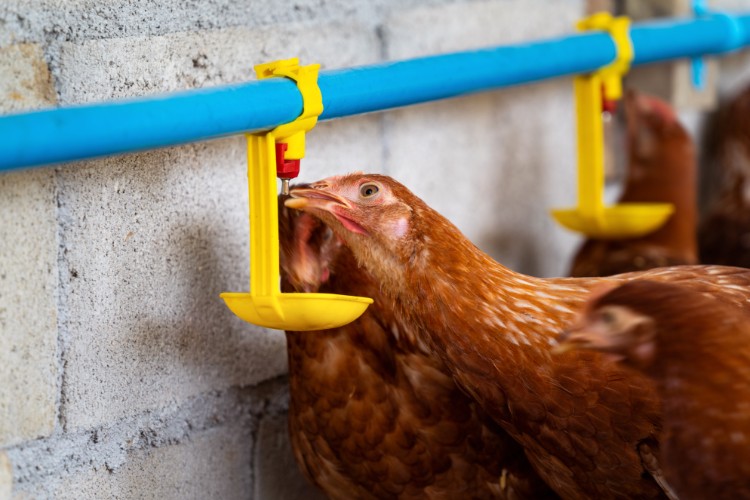
Water Systems Need Special Attention
Water lines collect biofilm quickly. That slimy layer protects bacteria from treatment.
Application | Recommended Level |
Drinking systems | 3-5 ppm |
General surfaces | 40-80 ppm |
Heavy contamination | Higher levels as directed |
Foot baths | 40-80 ppm |
Fresh water quality improves animal performance more than many farms expect.
Safety Tips During Disinfection
Even safer products require careful handling. Good habits prevent accidents.
Personal Protection Matters
Workers should still use:
Gloves
Eye protection
Boots
Waterproof clothing when needed
Some chemicals irritate the skin after long exposure. Others become dangerous when mixed incorrectly.
Never combine disinfectants with ammonia products. Toxic gas can form rapidly.
That mistake sends people to hospitals every year.
Mixing and Storage Tips
Always follow label instructions carefully.
For example:
Use clean containers
Avoid dirty mixing tanks
Measure carefully per gallon of water
Store products away from sunlight
Never reuse contaminated containers
Fresh solutions usually perform better than old mixtures sitting for weeks.
Why Farms Prefer On-Site Generation
Shipping chemicals costs money. Storage creates risk. Large farms also consume huge volumes every week.
That is why many operations now produce disinfectant on demand using a Hypochlorous Acid Generator.
The system creates fresh solutions directly at the farm site. Workers gain more control over concentration and supply.
Additionally, farms reduce transportation and plastic waste.
Economic Advantages
On-site generation may help reduce:
Chemical transport costs
Packaging waste
Inventory risks
Worker exposure
Storage requirements
Freshly generated solutions also maintain stronger performance in many cases.
Nobody enjoys discovering empty disinfectant drums during a disease outbreak.
Environmental Benefits of HOCl Systems
Modern farms face growing pressure to improve sustainability. Regulators and consumers both expect safer practices.
Hypochlorous acid systems support those goals naturally.
Benefits may include:
Reduced chemical residue
Lower corrosion damage
Safer wastewater discharge
Less plastic packaging
Improved worker comfort
Many producers now see sanitation as part of their environmental responsibility, not just disease control.
That mindset continues growing worldwide.
Final Thoughts
Healthy livestock depend on clean environments. However, harsh chemicals do not always create better sanitation.
Smart farms now focus on balanced solutions. They want products that clean and disinfect effectively while remaining safer for animals and workers.
Hypochlorous acid (HClO) continues gaining attention because it combines strong antimicrobial performance with practical safety benefits. At levels like 40-80 ppm, many farms achieve excellent daily sanitation without overwhelming odors or heavy residue.
Whether you manage poultry, dairy, swine, or cattle operations, proper cleaning routines matter. Remove organic material first. Follow the correct contact time. Use properly cleaned and disinfected equipment consistently.
Most importantly, choose disinfecting products safe for livestock and support long-term farm health instead of creating new problems.