

Disinfectant for Food Industry
Food factories stay busy every day. Workers clean machines, tables, pipes, and tools from morning to night. One mistake during sanitation can create serious problems. Harmful bacteria may spread across equipment and contaminate food products.
We understand this pressure very well. Food companies must protect product quality while keeping production moving fast. At the same time, workers want safer cleaning chemicals with less odor and lower irritation.
That is why modern factories now focus on smarter sanitation systems. A good Disinfectant for Food Industry helps control germs, protect equipment, and support safer working conditions. Today, many companies choose hypochlorous acid because it combines strong cleaning performance with easy daily use.
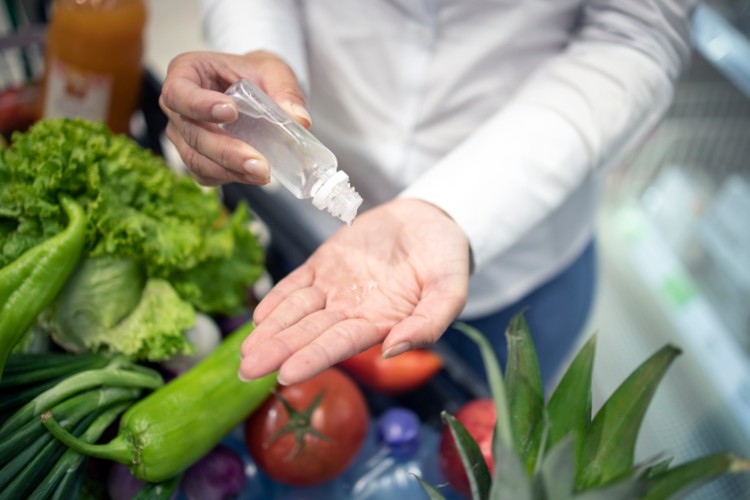
Why Food Industry Disinfection Matters
Food factories handle raw meat, vegetables, seafood, dairy products, and packaged foods every day. These materials can carry bacteria, viruses, and mold. If workers fail to clean surfaces properly, contamination spreads quickly.
Dirty surfaces create major risks such as:
Product recalls
Customer complaints
Food waste
Equipment damage
Business losses
Poor brand reputation
Strong sanitation programs reduce these risks. They also help companies meet hygiene standards and customer expectations.
Today, many factories improve:
Surface disinfection
Food safety
Worker safety
Equipment cleanliness
Water management
Production efficiency
A safe and reliable disinfectant for food surfaces plays an important role in every sanitation process.
Common Germs Found in Food Factories
Food plants face many hidden dangers. Germs often survive in wet and hard-to-clean areas. Some bacteria spread quickly across equipment and drains.
Common microorganisms include:
Salmonella
E. coli
Listeria
Norovirus
Staphylococcus aureus
Mold and yeast
These germs can survive on tables, conveyor belts, cutting tools, and storage containers. In some cases, bacteria hide inside small cracks or pipes.
That is why food factories need proper cleaning and sanitizing procedures every day.
What Makes a Good Food Surface Disinfectant?
Not all disinfectants work well inside food factories. Some chemicals lose power when dirt covers the surface. Others damage equipment or create strong smells.
A good disinfectant safe for food surfaces should offer several important benefits.
Fast Kill Speed
Factories move quickly. Workers cannot stop production for long cleaning cycles.
Low Chemical Residue
Food-contact surfaces should remain clean after treatment.
Easy Daily Operation
Simple sanitation systems reduce worker mistakes.
Safe Equipment Use
Strong chemicals may corrode stainless steel or plastic surfaces.
Stable Water Performance
Good disinfectants should work under different water quality conditions.
Easy Concentration Testing
Workers should easily measure parts per million ppm levels during sanitation.
Why HOCl Is Becoming More Popular
Many food companies now use hypochlorous acid because it works effectively while remaining gentle on equipment.
A Hypochlorous Acid Generator produces HOCl using water, salt, and electricity. The process creates a sanitizer that works well in many food applications.
HOCl solutions often perform effectively at 50-80 ppm. Even at low concentrations, HOCl remains effective at killing many harmful microorganisms.
Workers also prefer HOCl because it creates less odor than traditional chlorine chemicals.
Benefits of HOCl in Food Plants
Mild smell
Lower residue
Less corrosion
Easy handling
Quick sanitation cycles
Better worker comfort
Reduced chemical storage needs
Many factories now use HOCl for daily sanitizing of food contact surfaces.
Recommended Concentration Levels
Correct sanitizer concentration is very important. Low concentration may not kill enough bacteria. High concentration may create unnecessary residue.
Below are common application guidelines.
Application | Recommended Concentration | Usage Notes |
Meat processing equipment | 50–80 ppm | Rinse with clean water after use |
Vegetable processing tools | 50–80 ppm | Remove dirt before sanitizing |
Cutting boards and knives | 50–80 ppm | Maintain proper contact time |
Conveyor belts | 50–80 ppm | Apply after washing |
Drinking water treatment | 1–5 ppm | Use food-grade HOCl only |
Workers should always test sanitizer levels carefully. Regular testing improves sanitation consistency and supports stronger food safety programs.
Cleaning Before Sanitizing Is Essential
Many people believe sanitizers can remove heavy dirt and grease. Unfortunately, that idea is wrong.
Food residue blocks disinfectants from reaching bacteria. Oils, blood, and proteins reduce sanitizer performance.
That is why food factories follow two separate steps.
Step 1: Cleaning
Workers remove visible dirt using approved cleaning products.
Step 2: Sanitizing
Workers apply disinfectant after the surface becomes clean.
This process improves microbial control and reduces chemical waste.
Good cleaning also helps disinfectants remain effective for longer periods.
Contact Time Is Very Important
Many workers spray disinfectant and wipe immediately. However, germs need time to die.
Contact time means how long the disinfectant stays wet on the surface.
Several factors affect sanitizer performance:
Temperature
Surface material
Organic material
Humidity
Concentration level
Air drying speed
Most HOCl solutions at 50-80 ppm work quickly when applied correctly.
Still, workers should always follow operational sanitation procedures carefully.
Comparing HOCl With Traditional Chemicals
Food factories use many different disinfectants today. Each chemical offers advantages and disadvantages.
Sodium Hypochlorite
Sodium hypochlorite remains common because it kills bacteria quickly and costs less. However, it may create strong odors and corrosion problems.
Long-term use may damage metal equipment and irritate workers.
Hydrogen Peroxide
Hydrogen peroxide works well for oxidation and microbial control. However, strong concentrations may irritate skin and eyes.
Quaternary Ammonium Compounds
Quaternary ammonium compounds (quats stay popular in some sanitation programs. They provide stable performance but may leave more residue on food-contact surfaces.
HOCl Advantages
Compared with traditional disinfectants, HOCl offers:
Lower odor
Better worker comfort
Less equipment corrosion
Faster sanitation cycles
Lower residue concerns
That balance makes HOCl a useful sanitizer for food production systems.
Water Quality Affects Sanitizer Performance
Water quality changes sanitizer effectiveness more than many people realize.
Poor water conditions may weaken disinfectants and reduce cleaning efficiency.
Food factories should monitor several important factors.
Total Dissolved Solids
High total dissolved solids may reduce sanitizer stability.
TDS Level
Checking the TDS level helps maintain stable disinfectant performance.
Water Hardness
Hard water may create scale buildup on equipment.
pH Balance
Balanced pH improves sanitizer activity and cleaning results.
Good water management helps disinfectants work more effectively across a wide range of applications.
Food Service Businesses Need Strong Sanitation Too
Restaurants and catering kitchens also face contamination risks every day.
Workers constantly touch surfaces, tools, trays, and cutting boards. Without proper sanitation, bacteria spread quickly.
Common food service sanitation areas include:
Kitchen counters
Tables
Ice machines
Storage bins
Food trays
Cutting equipment
Good sanitation protects customers and supports smoother daily operations.
Nobody wants yesterday’s chicken juice near today’s salad station.
EPA and Food Safety Standards
Food factories must follow strict hygiene rules. Many sanitation programs use guidance from the environmental protection agency epa and food safety organizations.
Facilities should:
Test sanitizer concentration regularly
Train workers properly
Maintain sanitation records
Follow cleaning schedules
Monitor water conditions
Inspect equipment cleanliness
Strong sanitation programs help businesses maintain customer trust and reduce contamination risks.
Today, customers also care more about environmental responsibility. Many companies, therefore, prefer disinfectants that support sustainability goals.
Reducing Chemical Risks in Food Plants
Workers handle disinfectants every day. Strong chemical exposure may create safety concerns over time.
Some traditional chemicals produce:
Strong fumes
Skin irritation
Eye discomfort
Respiratory problems
Equipment corrosion
Modern sanitation systems help reduce these issues.
HOCl solutions often create milder working conditions while still effectively reducing bacteria and viruses.
That balance helps improve worker comfort and operational safety.
Choosing the Right Sanitizing System
Every food factory has different sanitation needs. Small kitchens and large production plants require different systems.
Companies should consider:
Production Size
Large factories often need automated systems.
Water Conditions
Poor water quality may require filtration support.
Sanitizer Demand
High production facilities use larger disinfectant volumes.
Maintenance Needs
Easy maintenance helps reduce downtime.
A properly designed Hypochlorous Acid Generator system can support stable sanitation across multiple departments.
The Future of Food Industry Disinfection
Food safety standards continue to become stricter every year. Customers also expect cleaner and safer production methods.
Because of this, food companies now search for sanitation systems that provide:
Better efficiency
Lower residue
Easier operation
Lower environmental impact
Strong microbial control
Modern HOCl technology supports these goals while helping factories improve sanitation performance.
As sanitation technology improves, food factories will continue moving toward safer and more sustainable solutions.
Final Thoughts
Food safety remains one of the most important parts of food production. Clean equipment, safe water, and reliable sanitation protect both customers and businesses.
A good Disinfectant for Food Industry helps reduce contamination risks and supports cleaner daily operations. Proper cleaning and sanitizing procedures also improve product quality and worker safety.
Today, many factories choose HOCl because it provides effective microbial control with lower odor and less corrosion. When used correctly, it supports safer production environments and better sanitation efficiency.
In our experience, strong sanitation always depends on consistency. Good cleaning habits, proper testing, and careful monitoring create the best results every day.