

How to Disinfect Dental Chair
Keeping dental chairs clean goes beyond wiping the surface. I’ve seen dental practices struggle with effective cleaning and disinfection. As a manufacturer specializing in dental water sanitation solutions, we want to help you protect your patients and team. This guide is practical, honest, and filled with steps I wish I’d known in my first year. Let’s tackle how to disinfect a dental chair the right way.
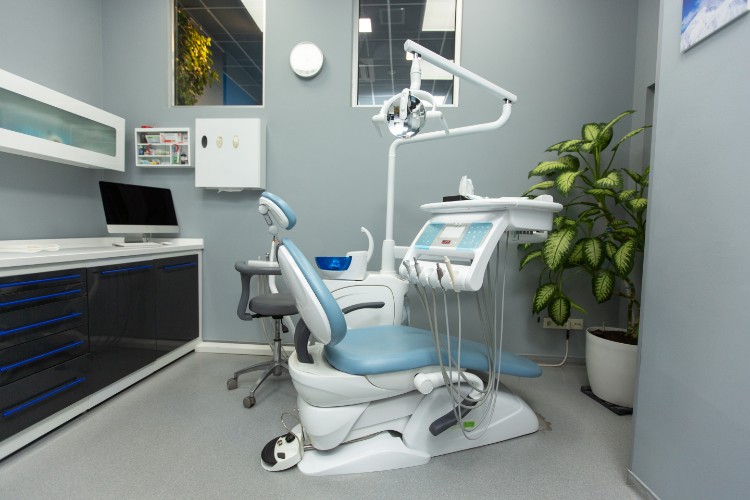
Why Disinfecting Dental Chairs Matters
Dental chairs are central to every dental treatment. They touch patients, clinicians, and instruments. Without proper care, they become a hotspot for microbes. Microbes hidden in dental unit waterlines and seats can increase microbial count and jeopardize infection control.
I remember a dental clinic audit that revealed poor water quality. The practice had excellent surface protocols, but they forgot the water lines and air water syringe tips. That was a wake-up call for many.
Tools You Need for Effective Disinfection
Before we dive into steps, let’s list what you’ll need:
Sterile water for final rinse
Approved disinfectants
Test strips for residual checks
Protective gloves and eyewear
HOCl Generator solution (40-80 PPM hypochlorous acid)
Using the right tools ensures you don’t waste time or compromise patient safety. Honestly, having a checklist saved my team hours each week.
Cleaning vs. Disinfection: Know the Difference
Cleaning Removes Dirt
Cleaning scrubs away visible debris. It doesn’t kill bacteria. Think of it as prepping the surface.
Disinfection Kills Bacteria
Disinfecting actually destroys pathogens on surfaces. That’s what we aim for with cleaning and disinfection.
When we clean first, disinfectants work better. Dental chairs and equipment get far safer results.
Step-by-Step: How to Disinfect a Dental Chair
Here’s how we systematically disinfect a dental chair:
1. Clear the Area
Remove tools and personal items. You must prevent cross-contamination.
2. Pre-Clean Surfaces
Wipe chair and armrests with soapy water. This removes debris and makes the disinfectant work smarter, not harder.
3. Prepare Hypochlorous Acid (40-80 PPM)
Use an HOCl Generator to make a 40-80 PPM hypochlorous acid solution. This is strong enough to kill bacteria and gentle enough for frequent use.
4. Apply Disinfectant
Spray or wipe all contact surfaces, including headrests, controls, and upholstery edges. Wait for the recommended contact time—don’t rush this.
5. Flush Water Lines with Hypochlorous Acid
We flush the dental chair’s water system with hypochlorous acid for at least 30 minutes.
Start with a sterile water flush to clear debris.
Then, introduce the HOCl solution into the water lines.
This step reduces microbial count inside the tubing and ensures every droplet is clean.
6. Rinse with Clean Water
After flushing, run clean water through the lines. It protects equipment and gives patients peace of mind.
7. Check Water Quality
Use test strips to confirm proper levels. Record the data in a log for compliance.
Completing these steps consistently ensures your dental chair and dental equipment are safe for every procedure.
Focus: Dental Handpieces and Air Water Syringe Tips
Dental Handpieces
These tools spin fast and touch many surfaces. After every patient:
Remove debris
Clean under running water
Disinfect according to manufacturer guidelines
Never skip this. I once saw a case where neglect caused recurring infections.
Air Water Syringe Tips
Don’t forget these tiny tips—they spray directly into mouths. Sterilize after each patient and flush with hypochlorous acid daily.
Long-Term Water Line Maintenance
Maintaining dental unit waterlines is a long-term game. Biofilm builds up fast. Here’s what we recommend:
Daily HOCl flushing
Weekly deep treatment
Monthly water quality testing
Replace filters per manufacturer guidelines
Consistency here dramatically cuts microbial count and enhances infection control. Trust me, you’ll sleep better at night.
HOCl: Why We Choose Hypochlorous Acid
Hypochlorous acid (HOCl) is special. It’s a powerful yet safe disinfectant that:
Kills bacteria fast
Works on viruses and fungi
Is safe around patients
Doesn’t leave toxic residues
Our team loves HOCl because it strikes that balance between power and safety.
Common Mistakes to Avoid
Don’t fall into these traps:
Skipping water line flushing
Using straight bleach on seats
Ignoring test strips
Delaying deep cleaning after heavy use
Take it from us—attention to detail saves dental practices time and money.
Train Your Team for Success
Your dental practice will only succeed if everyone follows protocols. Create a checklist and schedule:
Daily chair wipe-downs
Weekly water line flushes with HOCl
Monthly microbial tests
Documentation for every step
A trained team treats disinfection like breathing—automatic and essential.
Final Thoughts
Disinfecting dental chairs takes planning. But once it becomes routine, your confidence grows. You protect patients, empower your team, and build trust in every dental treatment you deliver. We hope this guide helps you improve infection control and water quality with clear steps and practical tools.