

Can HOCl Trigger a Skin Purge?
We’ve all been there. You start a new skincare routine and — boom — your skin looks worse before it gets better. As a manufacturer of sanitizing solutions and a skincare enthusiast, I often hear this question: Can hypochlorous acid cause purging?
Today, I’ll walk you through exactly how hypochlorous acid (including hypochlorous acid sprays) interacts with your skin. We’ll cover how it works, whether it can make acne worse, and what you should expect if you use products with 30-50 PPM hypochlorous acid. Let’s jump in!
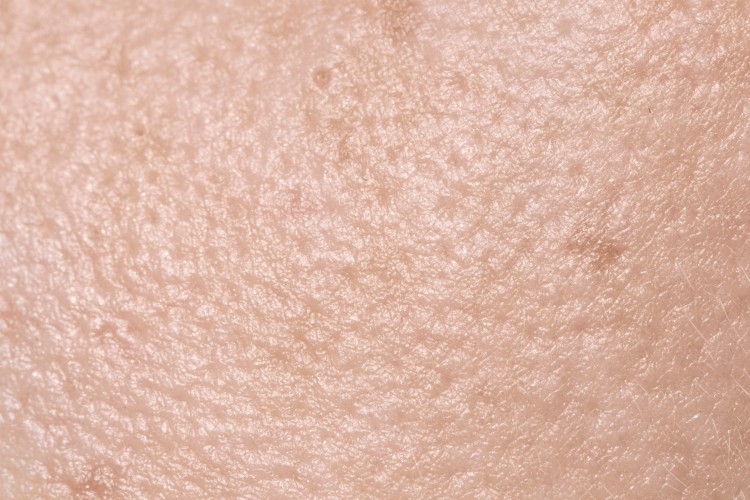
What Is Hypochlorous Acid and How It Works
Hypochlorous acid is a gentle yet powerful compound that your own white blood cells produce to kill bacteria and support the immune system. When used in skincare, this naturally derived ingredient helps kill acne-causing bacteria without harsh side effects. Many people use hypochlorous acid (HOCl) sprays because they act like a reset button for irritated skin.
Unlike salt water, which can dry out skin, hypochlorous acid delivers anti-inflammatory properties while reducing bacterial load. It doesn’t strip your skin like benzoyl peroxide or other strong acne treatments do. Instead, it supports healing while calming inflammation.
Key advantages of hypochlorous acid:
Rapidly kill bacteria
Maintain skin barrier integrity
Reduce irritation and redness
Support healing without drying
Because HOCl mirrors what your body already makes, we find it plays beautifully with multiple skin types — from dry to oily and sensitive skin.
Understanding Skin “Purging”
Before we decide whether hypochlorous acid causes purging, let’s define what that actually means. Skin purging is a temporary flare-up of breakouts that happens when the skin speeds up its renewal process. New skincare products can speed up cell turnover, pushing dead skin and clogged pores to the surface faster.
You might see more blemishes at first. But unlike allergies or irritation, purging is short-lived — usually no more than 4-6 weeks. You can often spot it because bumps show up only where you normally break out.
Can Hypochlorous Acid Cause Purging?
Now for the big question: Yes, hypochlorous acid can trigger purging in some cases. But it’s not very common. Here’s why.
Hypochlorous acid doesn’t directly speed up skin cell turnover like retinoids or acids (like AHA/BHA). Instead, it goes to work on the surface:
It kills acne-causing bacteria
Reduces inflammation
Helps calm irritated areas
Supports a healthy skin barrier
Maintains optimal microbial balance
If your skin flares up after using hypochlorous acid sprays, it’s more likely due to:
Interaction with another ingredient (like benzoyl peroxide)
A sudden change in your skincare routine
A reaction to a formulation that includes added actives
In other words, hypochlorous acid itself rarely causes purging. Instead, your skin may be reacting to the overall routine change.
Why Some People See Breakouts First
Here’s what can feel like purging, but isn’t:
Irritation Reaction: Highly concentrated solutions can overwhelm sensitive skin.
Barrier Disruption: Using too many actives at once can weaken the barrier.
Mixing Actives: Hypochlorous acid + retinoids or benzoyl peroxide can be too much for some skin types.
In these cases, your skin doesn’t purge — it rebels. And that’s why choosing the right concentration (like 30-50 PPM) matters a lot.
How to Use Hypochlorous Acid Without Breakouts
As someone who watches formulas closely, I recommend these steps to keep purging at bay:
1. Start Slow
If you’ve never used hypochlorous acid before, introduce it gradually — once a day at first.
2. Stick to Mild Concentrations
Products with 30-50 PPM give antimicrobial benefits without shocking your skin.
3. Pair With Gentle Cleansers
Skip harsh scrubs and drying agents. Let your skin adjust first.
4. Moisturize and Seal
Every routine needs hydration. A balanced moisturizer helps prevent dryness that can mimic purging.
5. Avoid Combining Too Many Actives
If you’re using retinoids, acids, or benzoyl peroxide, space them out from hypochlorous acid sprays.
Special Considerations for Sensitive Skin
I often hear from people with sensitive skin that they love hypochlorous acid for its soothing feel. That said, anyone with reactive skin needs to be cautious:
Patch test before using it all over your face
Observe for irritation first, then decide
Reduce frequency if redness or burning appears
Hypochlorous acid has strong anti-inflammatory properties, but too high a concentration can overwhelm sensitive skin.
Acne Prone Skin and Hypochlorous Acid
If you have acne-prone skin, hypochlorous acid can be a game-changer. It works with your immune system to calm flare-ups and reduce bacterial load. The key is balance. When used in the right way:
You reduce acne triggers
Inflammation goes down
Healing processes speed up
What’s more, many people find hypochlorous acid less irritating than traditional acne treatments. For example, benzoyl peroxide can dry or peel the skin, especially in sensitive skin types. Hypochlorous acid, on the other hand, soothes and refreshes.
Final Thoughts — Purging vs. Reaction
So, can hypochlorous acid cause purging? Yes, in rare situations. But more often, what people call “purging” is:
A reaction to a new ingredient
Temporary irritation
A mix of too many actives at once
Hypochlorous acid with 30-50 PPM gives most people effective support without dramatic purging.
If you give it time, use it gently, and listen to your skin, you’ll likely see fewer blemishes — not more.