

What is Best pH for Hypocholorus Acid?
Why pH Matters More Than You Think
We’ve all heard the term “pH level” tossed around in science class and cleaning product ads. But what does it really mean—especially for hypochlorous acid (HOCl)?
Here at Shandong Shine, where we craft every Shine HOCl Generator with precision, we know that pH isn’t just a number—it’s the heartbeat of HOCl’s effectiveness.
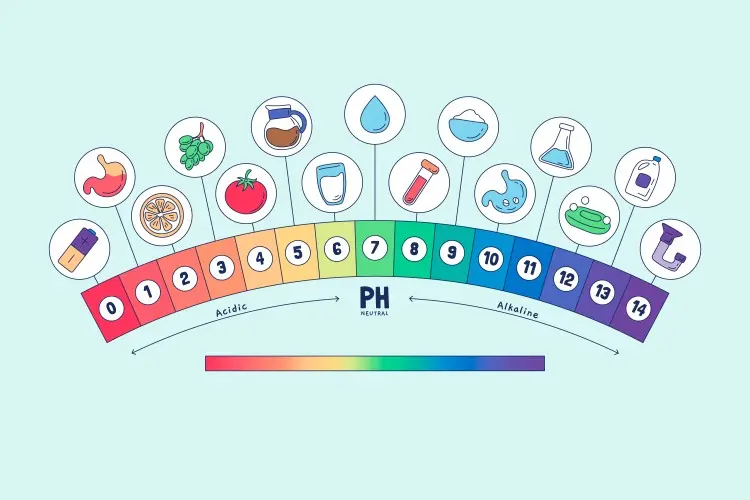
Quick Recap: What Is Hypochlorous Acid?
Before we dive into numbers and charts, let’s clear the fog. HOCl is a powerful, yet gentle acid. It mimics what our white blood cells naturally produce to defend against pathogens. That makes it ideal for wound care, surface disinfection, and even food safety.
But its strength depends heavily on its environment. The pH range of the hypochlorous acid solution directly impacts its antimicrobial activity. Mess up the pH, and HOCl loses its bite—or worse, turns into a harmful gas or weak ion.
The Sweet Spot: What Is Best pH for Hypochlorous Acid?
Let’s get specific.
The best pH for hypochlorous acid lies between 5.0 and 6.5. That’s the slightly acidic zone.
Here’s why:
· pH < 4.5: You get chlorine gas (Cl₂). That stuff’s toxic. Not safe. Not useful.
· pH 5.0–6.5: You get maximum HOCl formation. Strong, stable, safe.
· pH > 7.5: HOCl turns into hypochlorite ions (OCl⁻). They’re less effective—up to 80 times weaker.
So yeah, nailing that pH level is critical.
pH and Chlorine Species: Who’s Who?
Depending on the pH of the solution, chlorine morphs into different forms:
pH Level | Chlorine Species | Antimicrobial Strength |
< 4.5 | Chlorine Gas (Cl₂) | Dangerous & volatile |
5.0–6.5 | Hypochlorous Acid (HOCl) | 💪 Strong & safe |
> 7.5 | Hypochlorite Ion (OCl⁻) | 😴 Weak & slow |
Understanding this chemistry helps us engineer better HOCl solutions. And yes—we obsess over it so you don’t have to.
Why HOCl Works Better at Slightly Acidic pH
Let’s paint a picture. Imagine your wound. It’s vulnerable. Bacteria love it. You apply a hypochlorous acid solution at pH 6.0.
HOCl slips in, busts through cell membranes, destroys cell walls, and leaves no survivors. Now picture the same solution at pH 9.0. It takes forever. The weak hypochlorite ions might not even finish the job.
In simple terms:
Slightly acidic HOCl = fast and fatal to germs.
What Happens When pH Increases?
When the pH increases, things change—and not for the better.
· Less HOCl available
· More OCl⁻ ions
· Slower kill time
· Lower oxidation potential
· Reduced antimicrobial activity
Basically, it’s like sending in a sponge to fight a dragon. Your solution might look the same, but it’s lost its magic.
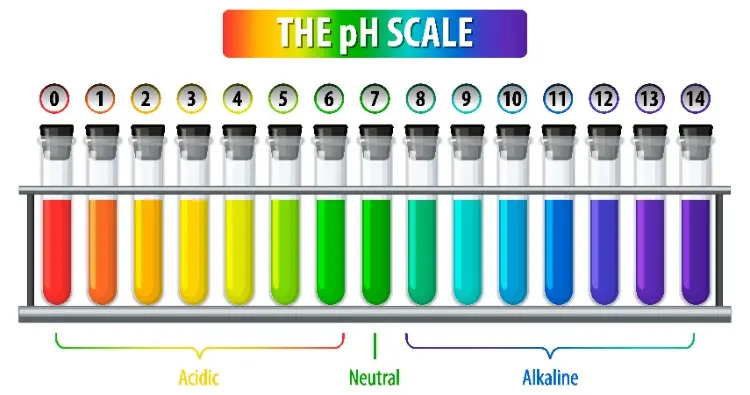
How We Stabilize the Perfect pH
You might wonder—how do we keep HOCl so stable and effective?
At Shandong Shine, our HOCl Generator uses:
· Precision saltwater electrolysis
· Real-time pH sensors
· Temperature regulation
· Automated feedback control
This ensures that each hypochlorous acid solution we produce hits the optimal pH range—no fluctuations, no surprises.
Use Cases That Rely on pH Precision
Let’s walk through some real-life scenarios:
1. Wound Healing:
2. HOCl at pH 5.5–6.0 reduces inflammation and promotes tissue recovery. It doesn’t sting either.
3. Food Processing:
4. At pH 6.0, it knocks out E. coli and Salmonella without leaving residue or flavor change.
5. Surface Disinfection:
6. Hospitals use HOCl at pH 6.5 to sterilize surfaces without corroding equipment.
7. Misting and Air Treatment:
8. Atomized HOCl at the ideal pH reduces airborne pathogens in schools, offices, and homes.
Sodium Hypochlorite Isn’t the Same
Let’s get this straight.
Sodium hypochlorite (NaOCl) = bleach.
It works at higher pH (above 10) and releases OCl⁻ ions—not HOCl.
· Harsh
· Irritating
· Corrosive
· Unstable when diluted
We’re not saying sodium hypochlorite is useless—but compared to HOCl at the right pH? It’s a blunt axe vs. a laser scalpel.
A Shocking Twist: Nature Prefers HOCl
Here’s the kicker—our own immune systems produce HOCl.
That’s right. White blood cells make it naturally, but only within a narrow pH window.
When your body heals wounds or fights infection, it doesn’t use bleach. It uses HOCl at ~pH 6.0.
So when you use HOCl from our generator, you’re literally syncing with biology.
Don't Forget These pH Truths
Here’s what we’ve learned:
· Best pH for HOCl: 5.0–6.5
· Too low: Releases dangerous chlorine gas
· Too high: Converts to weak OCl⁻ ions
· Middle ground = magic
That “magic” is the secret behind HOCl’s legendary disinfecting and healing powers. We didn’t invent that—but we did perfect how to generate it.
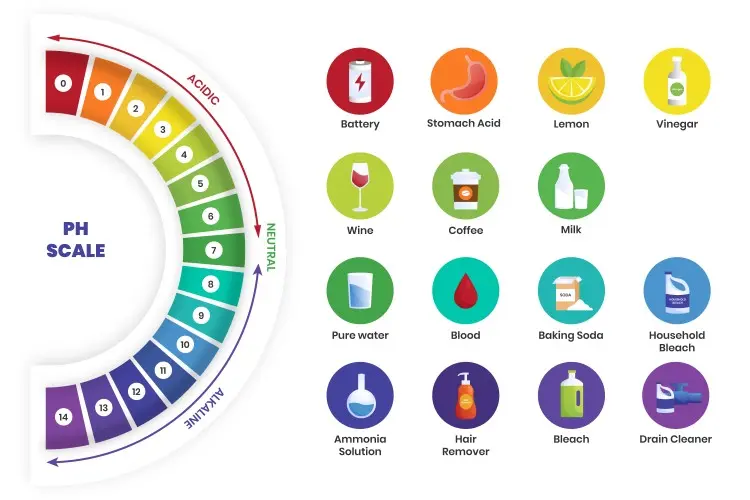
Why Shine Gets It Right
We didn’t stumble into this business. We’re fanatics about:
· Precision engineering
· Safety compliance
· Eco-friendly design
· Consistent pH optimization
Every Shine HOCl Generator we make is field-tested. We calibrate for exact pH of the solution, output flow rate, and oxidation strength. Our systems generate HOCl that hits the sweet spot—every single time.
Final Tips for HOCl Users
If you’re using HOCl, don’t guess—monitor pH.
Here’s what to do:
✅ Check your generator settings
✅ Use litmus strips or digital pH meters
✅ Keep pH between 5.5 and 6.5
✅ Store solutions in UV-protected containers
✅ Use fresh batches for best results
Wrap-Up: Make the pH Count
When it comes to hypochlorous acid HOCl, pH decides everything.
Wrong pH? You waste product, time, and money. Right pH? You unleash a super-disinfectant that’s natural, safe, and fast.
At Shandong Shine, we don’t settle for “good enough.” We aim for perfection in every drop, and that means mastering the pH equation. Want performance you can trust? Choose solutions made with science—and with care.