

Disinfect Pens Before New Livestock Arrives
We have worked in livestock environments for over 20 years, and one lesson never changes. Clean pens decide outcomes before animals arrive. New livestock enter barns under stress from transport, noise, and unfamiliar smells. If bacteria and viruses wait inside the pen, trouble starts fast.
We wrote this guide from real experience, not theory. We built systems that work on busy farms, not perfect labs. Our goal stays simple. We help farmers properly clean and disinfect pens so animals start strong and stay healthy.
Why Disinfection Before Arrival Is Essential
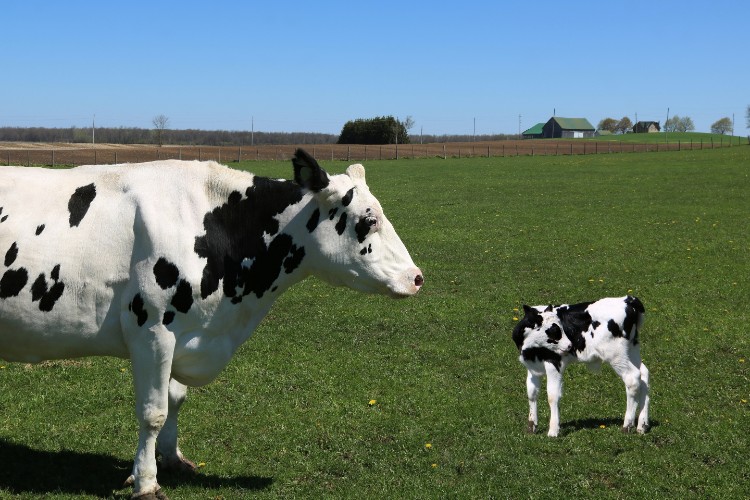
Disinfection protects animals during their most vulnerable moment. Stress lowers immunity, and pathogens take advantage quickly. Pens often hold invisible threats from previous groups.
Organic matter, moisture, and poor airflow create ideal conditions for disease. Calf scours often trace back to poor preparation, not bad luck. When we clean well, health improves fast.
Good cleaning and disinfecting deliver clear results. Animals settle quicker and eat sooner. Vet costs drop, and confidence rises across the operation.
Understanding the Germs Hiding in Pens
Livestock pens host more than dirt. They store biological history. Knowing what lives there helps us choose better tools.
Bacteria, Viruses, and Bacterial Spores
Common threats include bacteria like E. coli and viruses spread by contact. Bacterial spores pose a special challenge because they survive heat and drying. Fungi also grow easily in damp, shaded areas.
Many disinfectants fail against spores. That failure surprises many farms. A broad-spectrum disinfectant reduces risk because it targets multiple organism types at once.
We never assume only one germ causes problems. Real barns stay unpredictable.
Why Organic Matter Undermines Disinfection
Organic material remains the biggest enemy of disinfection. Manure, bedding dust, and feed residue block chemical action. Disinfectant solution cannot reach germs hidden underneath debris.
Organic matter also neutralizes many chemicals. That includes chlorine bleach and sodium hypochlorite. Without cleaning, even strong products lose power.
Porous surfaces worsen this issue. Wood, concrete cracks, and rubber mats absorb organic matter deeply. Removing it requires effort before chemistry ever helps.
Step One: Properly Clean Before Disinfecting
Cleaning prepares surfaces so disinfectants can work. Skipping this step wastes money and time. We never compromise here.
Our Proven Cleaning Routine
We always start by removing animals and equipment. Then we remove organic matter physically using shovels and scrapers. Next, we sweep dust from the beams, fans, and ledges.
We rinse surfaces using low-pressure water. High-pressure sprays force contamination deeper into cracks. Drying follows cleaning whenever possible.
This step feels basic but matters most. Good cleaning and disinfecting always start here.
Choosing the Right Disinfectant Solution
The market offers endless products with bold claims. Experience teaches which ones survive real barns. We tested many options across seasons and climates.
Comparing Common Disinfectant Types
Chlorine bleach works quickly but smells harsh and corrodes metal. Sodium hypochlorite behaves similarly and requires careful handling. Quaternary ammonium compounds perform well only on very clean surfaces.
Hydrogen peroxide foams but breaks down fast in organic matter. Hypochlorous acid, HOCl, stands out for balance. It kills bacteria and viruses quickly while staying gentle on surfaces and people.
We rely on chemistry that works with farm realities, not against them.
Using Hypochlorous Technology on Farms
Freshness matters with disinfectants. Stored chemicals degrade over time. On-site generation solves that issue.
Our Hypochlorous Acid Generator produces fresh disinfectant as needed. Fresh solution improves consistency and reduces storage risk. We limit use to essential steps and avoid overapplication.
We prefer smart chemistry over brute force. Less corrosion and less odor improve daily working conditions. That matters during long seasons.
Applying Disinfectants Correctly
Even the best disinfectant fails with poor application. Technique determines success. We approach spraying with intention and patience.
Application Tips That Actually Work
We use backpacks or foaming sprayers for control. We start high on walls and move downward slowly. Overlapping spray patterns prevent dry spots.
Corners, drains, and joints receive extra attention. Porous surfaces may need reapplication. Every surface should appear wet at first.
Coverage beats speed every time.
Contact Time Decides Effectiveness
Contact time remains one of the most ignored steps. Disinfectants need time to penetrate and kill organisms. Rushing cancels benefits.
How We Manage Contact Time Safely
We always follow manufacturer guidance. Surfaces must stay wet for the full contact time. We avoid rinsing early unless required.
After application, we allow natural air drying. We usually wait 24 hours before animals enter. This pause improves results and reduces odors.
Patience pays dividends here.
Addressing High Risk Areas in Pens
Some areas cause repeat problems if ignored. We inspect them carefully before every new group.
Zones That Deserve Extra Attention
Feed bunks and water systems top the list. Gates, latches, and floor drains follow closely. Loading areas often bring outside contamination.
Porous surfaces in calf pens require special care. Calf scours spread quickly through contact and moisture. One overlooked nipple or crack can restart infection cycles.
We treat these areas with respect and consistency.
Common Mistakes We Still See
Experience reveals patterns across farms. The same errors repeat often.
Many skip cleaning and rely only on chemicals. Others mix products dangerously. Some depend on high-pressure washing alone.
Ignoring contact time remains common. These mistakes undo good intentions. Discipline fixes most of them.
Safety Practices We Always Follow
Disinfectant and sanitizer products deserve respect. Even gentle chemistry requires safe habits.
We wear gloves and eye protection during spraying. We maintain ventilation and label containers clearly. Training keeps everyone aligned.
Safe routines prevent injuries and build confidence across teams.
Why Broad Spectrum Protection Matters
Farms face unknown pathogens daily. Trucks, boots, rodents, and tools bring surprises. We never know what arrives next.
Broad-spectrum disinfectant coverage protects against that uncertainty. Highly effective systems reduce stress for animals and people. Healthy livestock show results quickly through growth and behavior.
Confidence grows when systems work.
Our Perspective After 20 Years
Two decades teach honesty. Preparation always beats reaction. When we properly clean and disinfect pens, animals thrive.
We trust hypochlorous acid, HOCl, because the results earned that trust. Balanced chemistry fits modern farming demands. It protects health while respecting equipment and workers.
Disinfect pens before new livestock arrive. That habit shapes everything that follows.