

Disinfectants used in Dairy Farms
Dairy farms never sleep. We wake early, we clean constantly, and we fight invisible enemies all day. Bacteria, viruses, and fungi don’t take breaks. That’s why choosing the right disinfectants used in dairy farms matters more than ever.
We have worked with many farms, and one thing stands out: smart cleaning and disinfection protect profits. It improves milk quality, extends shelf life, and keeps animals healthy. Let’s break it down in a simple, practical way.
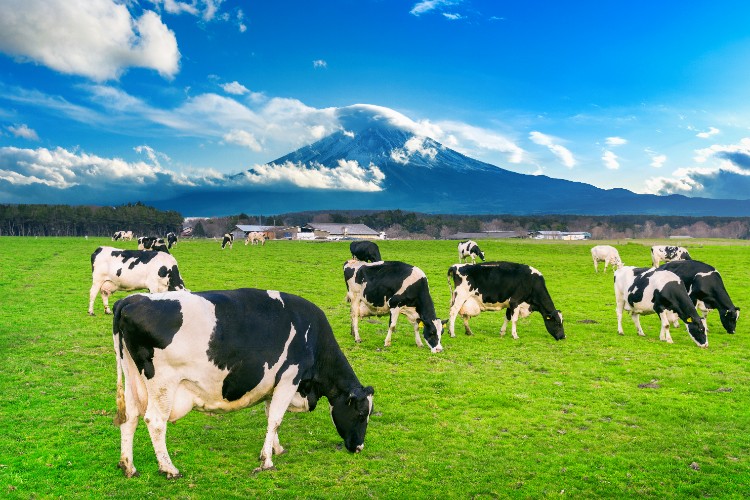
Why Disinfection Matters in Dairy Farms
Clean farms produce better milk. It sounds simple, but the impact runs deep. When we maintain strict hygiene, we reduce the risk of contamination at every stage.
A good disinfection routine helps us:
Improve milk quality
Protect the milking system
Reduce mastitis cases
Extend product shelf life
Meet food safety standards
Without proper cleaning, bacteria spread fast. They hide in bulk tanks, milking equipment, and pipelines. Once contamination starts, it becomes hard to control.
How Contamination Happens
Contamination sneaks in quietly. It often starts with poor cleaning habits.
Common sources include:
Dirty milking equipment
Improper water treatment
Infected udders
Unclean bulk tanks
We’ve seen farms lose thousands due to simple mistakes. A missed cleaning cycle can lead to bacteria growth overnight.
Common Disinfectants Used in Dairy Farms
Farmers use several disinfectants, each with its own strengths. The key is choosing the right one for the right job.
Sodium Hypochlorite (Chlorine-Based)
Sodium hypochlorite is one of the most common chlorine-based disinfectants. It works fast and kills a wide range of microorganisms.
We often use it for:
Cleaning milking equipment
Sanitizing bulk tanks
Water treatment
Typical concentration ranges from 50 ppm to 200ppm. However, it can corrode equipment over time. It also loses strength when exposed to light and heat.
Peracetic Acid
Peracetic acid works as a strong oxidizing agent. It kills bacteria, viruses, and fungi quickly.
We like it because:
It leaves no harmful residue
It works well in cold water
It suits food safety requirements
However, it has a strong smell. Workers must handle it carefully.
Hydrogen Peroxide
Hydrogen peroxide offers another effective solution. It breaks down into water and oxygen, which makes it eco-friendly.
We use it for:
Surface sanitation
Pipeline cleaning
Air disinfection
It works well, but it may need higher concentrations for heavy contamination.
Quaternary Ammonium Compounds
Quaternary ammonium compounds provide long-lasting protection. They form a thin layer that continues killing microbes.
They work best on:
Floors and walls
Non-porous surfaces
Equipment exteriors
However, they do not perform well in organic matter. So we always clean surfaces first.
Hypochlorous Acid (HOCl)
Hypochlorous acid, HOCl, stands out as a modern solution. It acts as a broad-spectrum disinfectant and works at low concentrations, like 100–200ppm.
We love it because:
It kills bacteria and viruses quickly
It is safe for animals and workers
It supports environmental protection agency guidelines
It also fits well into sustainable farming. That’s a big win for today’s dairy industry.
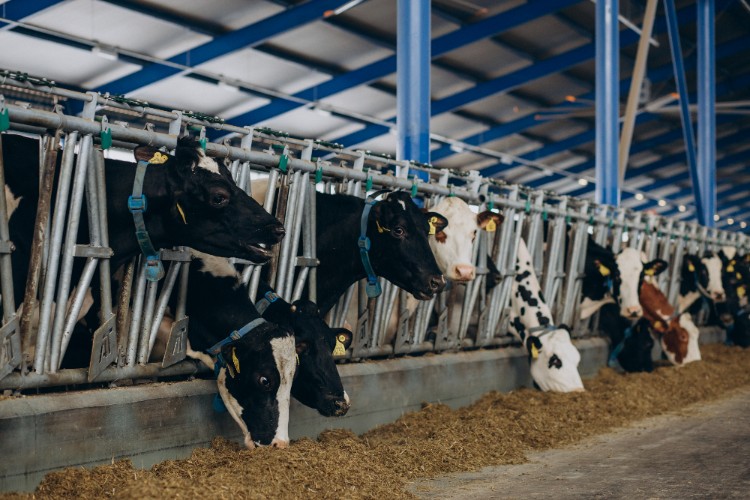
Cleaning Milking Equipment Properly
Clean equipment means clean milk. We focus heavily on the milking system because it directly affects milk quality.
Step-by-Step Cleaning Process
We follow a simple routine:
Pre-rinse with warm water (35–40°C)
Wash with alkaline detergent
Rinse again
Apply disinfectant (50–200ppm)
Final rinse if required
Each step matters. Skipping one step can reduce the entire system’s effectiveness.
Focus Areas in Equipment Cleaning
We pay extra attention to:
Milking equipment surfaces
Rubber liners
Pipelines
Bulk tanks
These areas trap bacteria easily. Regular cleaning reduces the risk of contamination significantly.
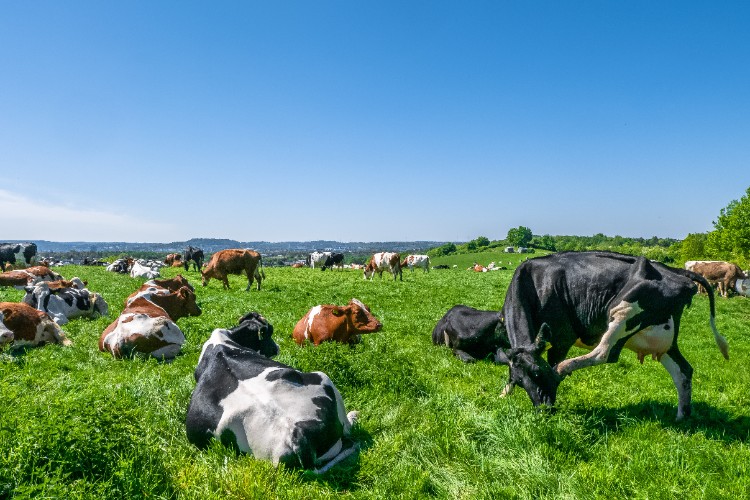
Post-Milking Teat Disinfection
After milking, the teat remains vulnerable. Bacteria can enter quickly and cause infection.
That’s why post-milking teat disinfection is critical.
Best Practices for Teat Care
We always:
Use approved disinfectants
Apply immediately after milking
Ensure full coverage
Common solutions include iodine, lactic acid, and hypochlorous acid (HOCl). These help prevent mastitis and improve herd health.
Role of Water Treatment in Dairy Hygiene
Water plays a bigger role than many realize. Poor water quality can ruin even the best cleaning process.
We always check:
Microbial levels
pH balance
Mineral content
Using proper water treatment ensures disinfectants work effectively. It also prevents scaling inside the milking system.
Ideal Water Parameters
For best results:
pH: 6.5–7.5
Temperature: 35–45°C for cleaning
Low microbial load
Clean water boosts cleaning efficiency. It also protects equipment life.
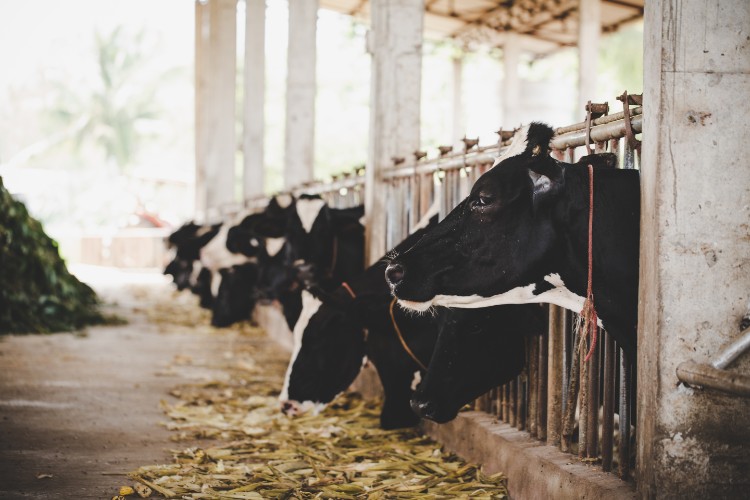
Choosing the Right Disinfectant Strategy
There is no one-size-fits-all solution. Each farm has unique needs.
We usually combine multiple disinfectants to cover all risks.
Key Factors to Consider
When selecting disinfectants, we look at:
Type of contamination
Contact time
Concentration (e.g., 200ppm)
Equipment compatibility
Cost efficiency
Balancing these factors helps us build a strong hygiene program.
Integrated Cleaning Approach
We recommend a layered strategy:
Daily cleaning with chlorine-based solutions
Weekly deep cleaning with peracetic acid
Routine use of hypochlorous acid for sensitive areas
This approach improves results and reduces the risk of resistance.
Benefits of Using Advanced Solutions
Modern farms demand smarter tools. Traditional methods still work, but advanced solutions bring extra advantages.
Using a Hypochlorous Acid Generator allows us to produce fresh disinfectant on-site. That reduces chemical storage and improves safety.
We notice:
Better milk quality
Lower chemical costs
Improved worker safety
Reduced environmental impact
It feels like upgrading from a flip phone to a smartphone. Once we switch, we never go back.
How Disinfection Improves Shelf Life
Clean milk lasts longer. It’s that simple.
When we reduce bacteria levels early, we protect the product throughout the supply chain. That leads to better shelf life and higher customer satisfaction.
Even a small reduction in contamination can make a big difference. We’ve seen shelf life increase by 1–3 days with proper hygiene.
Final Thoughts: Clean Farm, Strong Future
Running a dairy farm is tough. We juggle animals, equipment, and strict standards every day. But strong cleaning and disinfection practices make everything easier.
By choosing the right disinfectants used in dairy farms, we:
Protect our animals
Improve milk quality
Meet food safety rules
Build trust with buyers
In the end, clean farms win. And honestly, there’s nothing more satisfying than seeing a spotless milking system at the end of a long day.