

Pond Water Treatment Guide
Ponds look calm and beautiful. Yet the water beneath the surface constantly changes. Leaves fall, fish release waste, and nutrients build up over time. Without proper water treatment, even a beautiful pond can develop serious problems.
We often hear from pond owners who feel frustrated when their once-clear pond turns green. Algae spreads quickly. Fish become stressed. Poor water quality damages the entire pond ecosystem.
Fortunately, simple management and modern technology can help. When we understand what you need to know about pond water treatment, we can maintain a healthy and stable environment for aquatic life, plants, and fish.
This guide explains practical strategies to improve pond water, control algae, and protect healthy ponds.
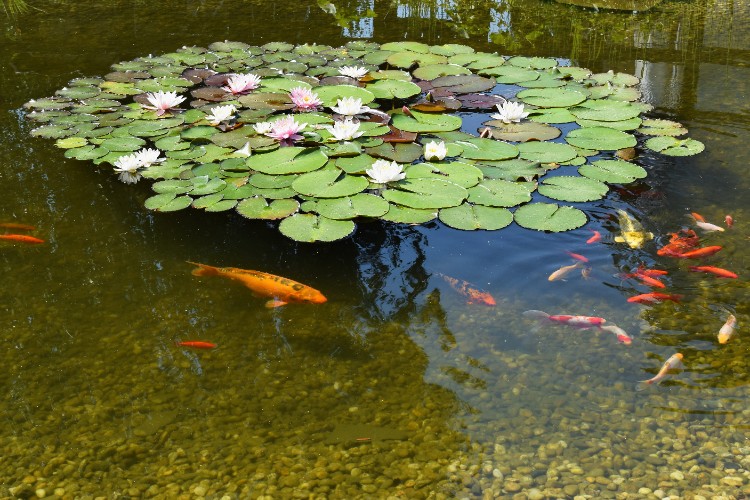
Why Pond Water Treatment Matters
Many people assume ponds clean themselves naturally. Nature does help, but it needs support. A pond constantly collects materials that affect the water balance.
These materials often enter the pond from many sources:
rainwater runoff
soil and organic debris
fish waste
fertilizers
nearby agricultural activity
Over time, these inputs damage water quality and disturb the natural balance.
Without management, the following issues appear:
algae blooms
low oxygen levels
cloudy water
unpleasant odors
Stressed fish and plants
Good water treatment protects the ecosystem and restores balance inside the pond.
Understanding the Pond Ecosystem
A pond acts like a small living world. Every aspect of pond health connects to another factor.
Fish, microbes, plants, and nutrients interact continuously.
Aquatic Plants and Natural Balance
Aquatic plants play an important role in pond stability. They absorb nutrients and provide oxygen during daylight.
Healthy plants can:
improve oxygen levels
reduce excess nutrients
provide shelter for fish
However, too many plants can also create problems. Balance remains the key.
Beneficial Bacteria
A strong population of beneficial bacteria keeps ponds stable. These microbes break down organic waste and prevent toxic buildup.
They help convert:
ammonia → nitrite → nitrate
This process protects fish and supports a balanced pond ecosystem.
Signs of Poor Water Quality
Many pond owners ignore early warning signs. However, small changes often signal bigger issues ahead.
Cloudy or Green Water
Murky water usually indicates algae growth or suspended particles.
Common causes include:
nutrient overload
organic debris
excessive sunlight
When algae grow rapidly, they reduce oxygen availability.
Low Oxygen Levels
Fish need oxygen to survive. Healthy ponds maintain dissolved oxygen levels between 5–8 mg/L.
Low oxygen occurs when:
algae die suddenly
organic matter decomposes
Water circulation decreases
If oxygen drops below 3 mg/L, fish begin to struggle.
Choosing the Right Water Treatment Method
Several treatment methods help restore water balance. Each pond requires a slightly different approach.
The most common strategies include:
aeration
filtration
biological treatment
water disinfection
Modern systems combine these approaches to improve water quality effectively.
Water Source Management
The water source influences the entire system. Some ponds receive water from wells, rivers, or rain runoff.
Each source brings different nutrients and microorganisms.
Testing the water source helps determine the correct treatment plan.
Controlling Nutrient Input
Excess nutrients fuel algae growth.
Pond managers often reduce nutrients by:
limiting fertilizer runoff
controlling fish feeding
removing organic debris
Small changes dramatically improve long-term stability.
Modern Solutions for Water Disinfection
Traditional chemical dosing sometimes causes safety issues. Transporting chemicals also increases cost and risk.
Many facilities now use on-site systems that produce sodium hypochlorite.
These systems create disinfectant directly from salt and water.
One common example is the Sodium Hypochlorite Generator, which produces a dilute disinfectant solution.
Typical concentration ranges around 0.8%, which suits many water disinfection applications.
How Hypochlorite Systems Work
The process uses simple electrolysis.
Saltwater flows through an electrolytic system. Electricity splits the salt molecules and forms disinfectant.
The process then produces sodium hypochlorite, which operators store for dosing.
Main components include:
electrolytic cell
control unit
storage tank
dosing pump
This setup delivers reliable disinfectant production for ponds and water systems.
Practical Algae Control Strategies
Algae remains one of the most common pond problems. However, we can manage algae with a combination of strategies.
Natural Algae Control
Natural methods often work well for smaller ponds.
Effective approaches include:
Adding floating plants
shading the water surface
improving aeration
These steps reduce sunlight and limit nutrient availability.
Treatment Parameters
When algae becomes severe, controlled water disinfection may help.
Typical treatment guidelines include:
residual chlorine: 0.2–0.5 mg/L
treatment duration: 30–60 minutes
circulation during dosing
Operators must monitor fish and plants carefully during treatment.
Managing Large Pond Volumes
Many ponds hold huge volumes of water. Some contain thousands of gallons of water.
Large systems require careful planning.
We often design treatment systems based on total pond volume.
For example:
10,000 gallons → small dosing system
100,000 gallons → automated treatment
large farms → continuous monitoring
Automation reduces labor and improves stability.
Maintaining Healthy Ponds Long Term
Successful pond care requires consistency. One treatment rarely solves long-term issues.
Instead, we focus on preventive management.
Regular Monitoring
Routine monitoring helps detect changes early.
Important indicators include:
pH (6.5–8.5)
dissolved oxygen
ammonia levels
water clarity
Monitoring prevents sudden ecosystem collapse.
Protecting Aquatic Life
Healthy ponds support many organisms.
Fish, plants, and microorganisms depend on stable conditions.
Good management protects:
fish health
plant growth
microbial balance
A balanced system supports thriving aquatic life.
Final Thoughts
Every pond tells a story. Some ponds sparkle with life, while others struggle with algae and cloudy water.
The difference usually comes down to management.
When we understand what you need to know about pond water treatment, we can restore balance and prevent problems.
By improving water quality, supporting beneficial bacteria, and using reliable water disinfection, we protect the entire ecosystem.
Modern systems that produce sodium hypochlorite also provide a practical solution for many applications.
With the right strategy, even an existing pond can transform into a clean and vibrant environment.
And honestly, few things feel better than watching fish swim through clear water on a calm afternoon.