

Disinfectants used in Dental Offices
Introduction: Why Dental Disinfection Matters
We work closely with dental settings every week. We see busy chairs, bright lights, and nonstop patient flow.
That pace makes infection control feel intense. Yet it also makes it vital. One missed wipe can ruin trust fast.
In our dental practice partnerships, we focus on clarity. We explain what works, why it works, and how teams stay compliant. Disinfectants used in dental offices vary widely.
Each serves a clear role. Choosing wisely protects patients, staff, and reputation.
Understanding Infection Control in Dental Offices
Infection control forms the backbone of every dental office. The Centers for Disease Control and Prevention sets clear guidance. We follow it closely and recommend the same.
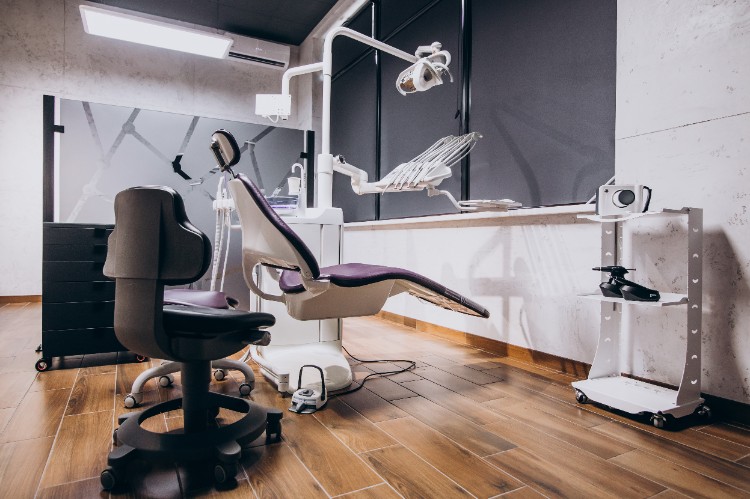
Dental settings face splatter aerosols and constant hand contact. Therefore, surfaces need frequent attention. Items must be cleaned and disinfected between patients. This routine keeps healthcare facilities safe without slowing care.
What Makes Dental Settings Unique
Dental settings differ from other healthcare facilities. Tools touch saliva, blood, and soft tissue often. That mix demands strong disinfection and sterilization routines.
Environmental surfaces also matter more than people think. Light handles, trays, and chair arms see constant use. We always remind teams that germs love high-touch zones.
Categories of Disinfectants Used in Dental Offices
Disinfectants used in dental offices fall into clear levels. Each level matches risk. This system removes guesswork and improves compliance.
Dental teams rely on liquid chemical solutions most often. These products balance strength, speed, and safety. Knowing which level to use saves time and money.
Low-Level and Intermediate-Level Options
An intermediate-level disinfectant handles most surface disinfection tasks. It targets bacteria, viruses, and some fungi. These products usually contain hydrogen peroxide or alcohol blends.
We like them for daily wipes. They offer reasonable contact times. Staff can move fast without cutting corners. Patient care items that touch intact skin often fall here.
High-Level Disinfectants Explained
High-level disinfectants handle serious threats. They kill spores, mycobacteria, and tough viruses. Dental offices use them less often. Yet they remain essential for specific tools.
These liquid chemical agents require training. They often need longer contact times. We stress strict labeling and ventilation when teams use them.
Surface Disinfection in the Dental Office
Surface disinfection protects everyone in the room. It also reassures patients silently. People notice clean chairs and shiny trays even if they say nothing.
Environmental surfaces need routine schedules. We suggest that checklists be posted clearly. When teams follow steps consistently, errors drop fast.
High Touch Environmental Surfaces
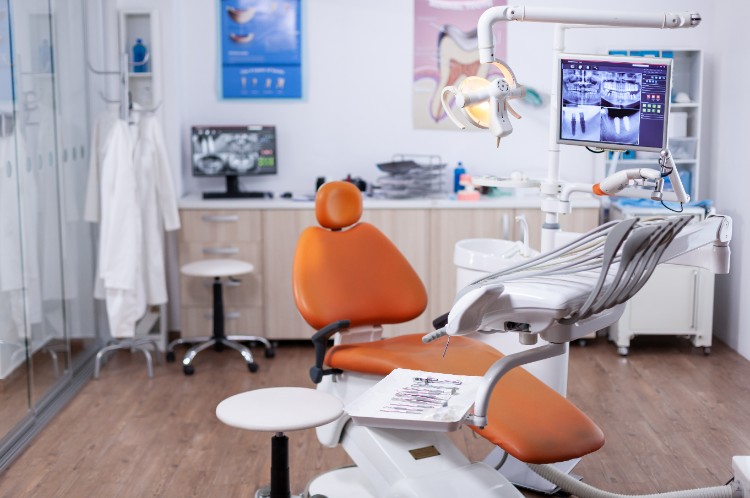
High-touch environmental surfaces deserve extra care. Examples include switches, keyboards, and drawer pulls. These areas spread microbes quickly.
We recommend wiping between each patient. Use a broad-spectrum product approved for dental settings. Always follow label contact times to ensure results.
Active Ingredients That Do the Heavy Lifting
Every disinfectant relies on an active ingredient. That ingredient defines speed, strength, and safety. Dental offices should understand this clearly.
Hydrogen peroxide remains popular. It breaks down into water and oxygen. That feels cleaner to many teams. Alcohol works fast but evaporates quickly.
Broad Spectrum Performance Matters
Broad-spectrum action saves time. One product can target bacteria, viruses, and fungi. This reduces shelf clutter and confusion.
We always advise checking labels carefully. Claims should match dental office needs. Broad coverage reduces risk during busy hours.
Contact Times and Real World Workflow
Contact times decide success or failure. A wipe that dries too fast fails its job. This detail trips up many teams.
We suggest setting timers or choosing faster formulas. Short contact times support real dental practice flow. Staff compliance improves when products match reality.
Cleaned and Disinfected Is Not the Same
Cleaning removes debris first. Disinfection kills what remains. Skipping cleaning weakens results.
We always train teams on this sequence. Cleaned and disinfected surfaces reduce biofilm buildup. That habit protects long-term health.
Hypochlorous Solutions in Dental Practice
We have watched interest grow fast here. Systems that generate hypochlorous acid (HOCl) offer unique advantages. These solutions mimic natural immune responses.
They act fast and feel gentle. Dental teams like the mild smell. Patients appreciate the comfort. We feel proud supporting this shift.
On-Site Generation Benefits
A hypochlorous acid generator creates a fresh solution on demand. This reduces storage risks. It also lowers chemical handling stress.
Our 300L 200PPM HOCl Generator supports busy dental offices with steady output. We design it for simple operation and stable concentration. It helps teams stay compliant without drama.
Safety and Patient Comfort
Hypochlorous solutions work with a broad spectrum effect. They support infection control while staying skin-friendly.
Dental settings value this balance. Staff handle sprays without harsh fumes. Patients feel calm during surface disinfection routines.
Disinfection and Sterilization of Patient Care Items
Patient care items require careful sorting. Some need sterilization. Others only need disinfection. Knowing the difference matters.
Critical tools enter tissue and blood. They demand sterilization. Semi-critical tools need high-level disinfectants. Non-critical items need intermediate solutions.
Following CDC Guidance
The Centers for Disease Control and Prevention outline these categories clearly. We recommend posting charts in sterilization rooms.
Clear visuals reduce mistakes. Teams act faster with confidence. Compliance improves naturally.
Training Teams for Long-Term Success
Products alone never solve problems. Training drives real results. We encourage short refreshers often.
Humor helps too. A quick joke during training keeps attention high. People remember lessons better when relaxed.
Documentation and Audits
Documentation protects dental offices legally. Logs prove procedures occurred.
We suggest simple digital checklists. They save time and reduce stress during audits. Inspectors appreciate clarity and honesty.
Choosing the Right Disinfectant Strategy
No single product fits every dental office. Size patient volume and layout all matter.
We help practices match products to workflow. This avoids waste and frustration. The right system supports care rather than slowing it.
Cost Versus Value
Cheap products often cost more later. Staff errors increase. Surfaces degrade faster.
Balanced solutions deliver better value. Stable supply, reliable results, and staff satisfaction matter most.
Our Perspective as a Manufacturer
We design systems for real dental practice use. We listen to hygienists, assistants, and dentists. Their feedback shapes every upgrade.
Our hypochlorous acid generator supports consistent quality. The 300L 200PPM HOCl Generator fits clinics that demand reliability. We limit chemical exposure while supporting infection control goals.
Final Thoughts on Dental Office Disinfection
Disinfectants used in dental offices protect more than surfaces. They protect trust. Patients feel safety before they feel pain relief.
We believe smart systems empower teams. Clear training, reliable products, and strong infection control keep dental settings thriving. When everything works smoothly, smiles come more easily.