

Poultry Farm Disinfectants Explained
We work closely with poultry producers every season. We walk through poultry houses.
We listen to real problems. That experience shapes how we explain what disinfectants are used in poultry farms. This topic sounds technical, but it feels very personal when bird health is on the line.
Cleaning and disinfection protect birds, people, and profit. A strong plan reduces disease pressure and stress. It also improves production results. We believe good disinfection feels invisible when it works.
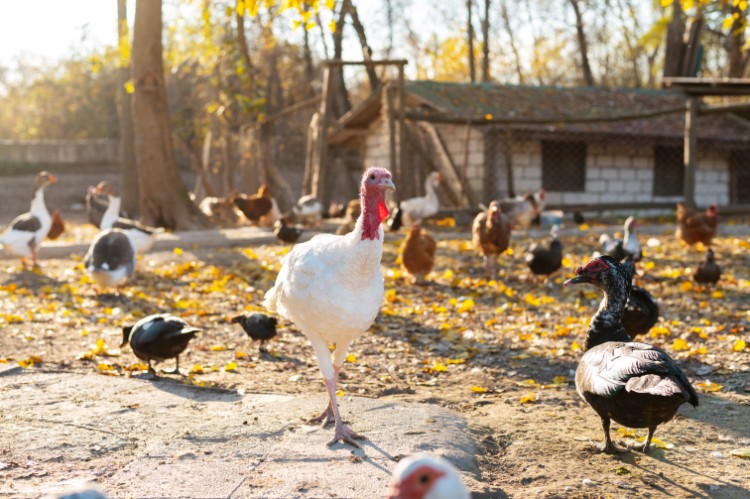
Why Disinfection Matters on a Poultry Farm
Every poultry farm faces constant microbial pressure. Warm air, moisture, and dust create perfect conditions for growth. Bacteria, viruses, and fungi never take breaks.
We focus first on prevention. Proper cleaning and disinfection reduce pathogen load before birds arrive. This step lowers mortality and medication costs. It also supports consistent flock performance.
Disinfection also protects workers. Clean environments feel safer and calmer. That emotional relief matters more than many admit.
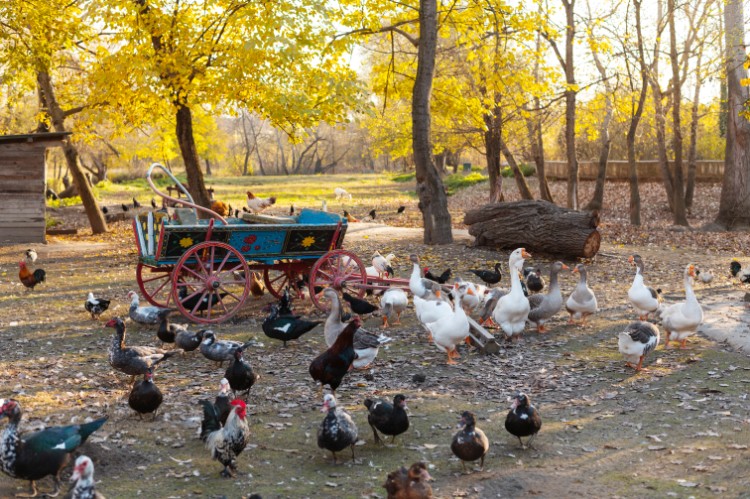
Common Pathogens in Poultry Houses
Poultry houses hide more than feathers and feed. Pathogens settle into cracks, joints, and equipment. They also hide inside the water system.
Common threats include:
Salmonella
E coli
Avian influenza
Newcastle disease
Campylobacter
These organisms spread fast across the surface area. Without control, they jump between flocks easily.
Main Types of Poultry Farm Disinfectants
We group disinfectants by chemistry and behavior. Each type brings benefits and limits. Smart farms choose based on task and risk level.
Most operations rely on chemical disinfectants. Many now adopt electrolyzed water for daily use. Balance matters here.
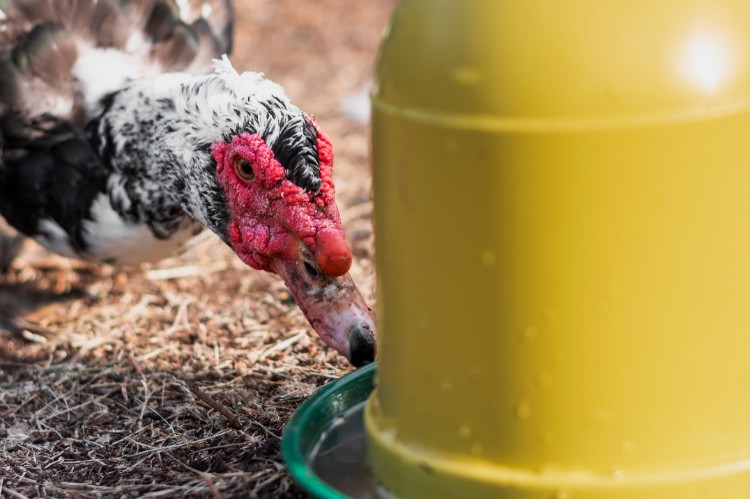
Quaternary Ammonium Compounds
Quaternary ammonium compounds remain popular. They clean surfaces and leave residual action. Farms often use them on walls, floors, and equipment.
However, organic matter reduces their strength. They also struggle against some viruses. Rinsing becomes critical before final disinfection.
Hydrogen Peroxide-Based Products
Hydrogen peroxide offers strong oxidizing power. It handles many bacteria, viruses, and spores. Many producers trust it for deep cleaning.
Yet high concentrations irritate skin and lungs. Storage and handling need care. Cost also rises with frequent use.
Other Chemical Disinfectants
Some farms use aldehydes, phenols, or chlorine blends. These chemical disinfectants kill fast and cover a broad spectrum. They often serve during disease outbreaks.
Safety concerns follow these products. Strong odors and residues worry staff. Environmental disposal rules also add pressure.
The Role of Hypochlorous Acid HOCl
We feel passionate about this solution. Hypochlorous acid (HClO) mirrors nature. White blood cells use it to fight infection daily.
HOCl delivers rapid kill at low doses. It works across bacteria, viruses, and fungi. That balance feels refreshing.
It also fits modern poultry expectations. Farms want safety, speed, and simplicity. HOCl delivers all three.
How HOCl Works in the Disinfection of Poultry
HOCl penetrates cell membranes quickly. It disrupts enzymes and proteins. Pathogens collapse within seconds.
It maintains activity even with some organic matter present. That advantage saves time. Short contact time still achieves strong results.
Broad Spectrum Performance with Low Residue
HOCl offers a broad spectrum of action. It leaves no toxic residue. After work, it reverts to salt water.
That makes it ideal for food contact surfaces. Feed trays, drinkers, and conveyors stay safe. Regulators also approve this profile.
Electrolyzed Water as a Modern Disinfection Tool
Electrolyzed water systems generate HOCl on-site. The process uses saltwater electricity and electrolysis cells. No chemical delivery trucks required.
This approach reduces storage risks. It also lowers long-term costs. Many farms appreciate this control.

How Electrolysis Generates Hypochlorous Acid
Electrolysis splits saltwater molecules. The system generates hypochlorous acid instantly. Output remains stable with proper design.
Reliable systems ensure consistent ppm. That consistency builds trust during daily use.
Advantages of Poultry Houses and Water Systems
Electrolyzed water works well in poultry houses. Fogging, spraying, and flushing all become easy. The water system benefits greatly.
Regular dosing prevents biofilm buildup. Birds drink cleaner water. Performance improves quietly over time.
Why Equipment Quality Matters in HOCl Generation
Not all generators perform equally. Materials design and control systems matter. We learned this through years of field feedback.
Poor materials corrode fast. Output drops silently. That risk hurts confidence.

Stable Output at 100 PPM and 200 PPM
Different tasks demand different strengths. Routine cleaning uses lower ppm. Final disinfection may reach 300 ppm.
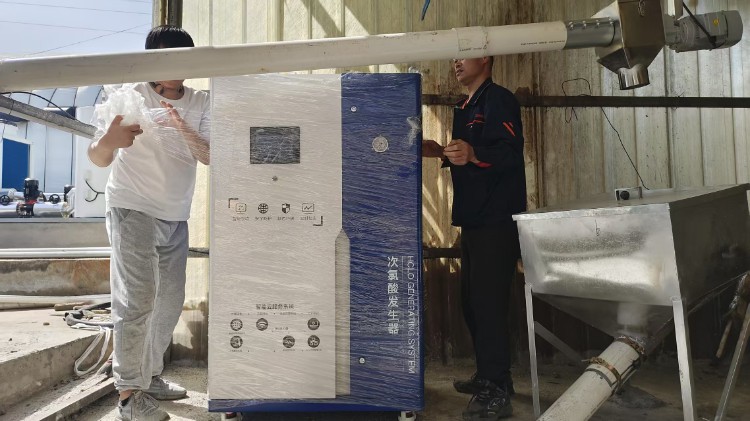
Our 300L/H 100 PPM HOCl Generator delivers a consistent flow. It generates hypochlorous acid on demand. That precision supports confidence.
Other models are also available.
Building an Effective Cleaning and Disinfection Program
Chemistry alone never solves problems. Process matters more. Discipline beats shortcuts every time.
We encourage simple repeatable routines. Staff follow them easily. Results stay consistent.
Removing Organic Matter First
Organic matter blocks disinfectants. Manure dust, litter, and feed residues interfere. Removing them comes first.
Dry cleaning removes bulk debris. Wet washing finishes the job. Only then does disinfection succeed.
Managing Contact Time and Coverage
Contact time determines success. Too short wastes effort. Too long wastes labor.
Ensure full surface area coverage. Sprayers, foggers, and foams help. Even application beats heavy soaking.
Final Disinfection Before New Flocks Arrive
Final disinfection sets the stage for success. This step reduces carryover risk. It also calms farm managers.
HOCl fits perfectly here. It works fast and leaves no residue. Houses feel fresh and ready.
Our Experience Supporting Poultry Farms
We work alongside poultry producers worldwide. We hear concerns and frustrations. We value honesty over hype.
Many farms switch after trials. They notice less odor and easier workflows. Birds respond calmly.
That feedback motivates us every day.
Closing Thoughts on Poultry Farm Disinfectants
Understanding poultry farm disinfectants empowers better decisions. No single product fits every task. Smart systems blend tools wisely.
Modern solutions like electrolyzed water change expectations. They deliver safety, simplicity, and performance together. We believe the future feels cleaner, calmer, and more confident.