

Pig Farm Disinfection Done Right
Why Pig Farm Disinfection Matters to Us
Pig Farm Disinfection never feels theoretical to us.
We stand inside pig farms every year.
We smell ammonia before breakfast.
We hear coughing piglets before the alarms ring.
Those moments push us to act fast.
They remind us why cleaning and disinfection protect lives and livelihoods.
Pig farms operate under pressure.
Animals live close together.
Moisture stays everywhere.
Organic waste builds fast.
Without discipline, disease spreads silently.
With the right system, calm returns.
We believe properly clean and disinfect routines reduce panic.
They also bring confidence back to farm teams.
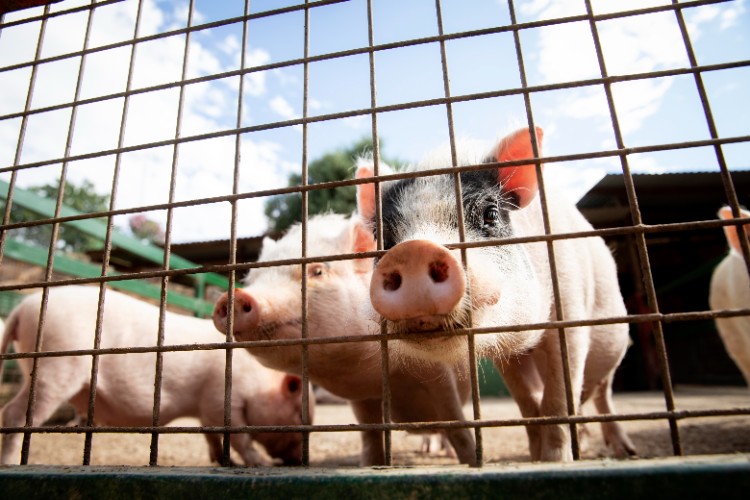
The Real Challenges Inside Pig Farms
Heavily Contaminated Areas Never Rest
Pig farms never sleep.
Manure drops all day.
Feed dust floats in warm air.
Water lines drip slowly.
Heavily contaminated floors shelter microorganisms.
Cracks in concrete protect pathogens.
Walls hold invisible films.
Many farms underestimate this load.
We once did too.
Experience changed our minds quickly.
Why Microorganisms Win Without Structure
Bacteria multiply fast.
Viruses travel on boots.
Fungi wait patiently in damp corners.
Common danger zones include
farrowing crates
nursery pens
feeders
drinkers
transport corridors
Missing one zone breaks the system.
Cleaning Disinfection Starts Before Chemicals
High-Pressure Cleaning Removes the Shield
We always start with water.
A pressure washer becomes our first hero.
High-pressure strips manure.
It breaks biofilms.
It exposes surfaces.
Our usual steps include
dry scraping solids
soaking stubborn areas
washing with high pressure
letting surfaces drain
This stage feels physical.
It saves chemical costs later.
Why Waiting Pays Off
Wet surfaces dilute disinfectants.
Rushing reduces impact.
We often allow 24 hours between cleaning and restocking.
This drying time feels long.
It increases success rates dramatically.
Choosing an Effective Disinfectant Wisely
The Role of the Active Ingredient
Every product relies on an active ingredient.
Labels matter more than brand names.
We compare chemistry often
hydrogen peroxide
chlorine bleach
quaternary ammonium compounds
organic acid solutions
Each option behaves differently.
Each reacts differently with organic material.
Broad Spectrum Performance Saves Time
We prefer broad-spectrum products.
They kill bacteria, viruses, and fungi together.
This approach reduces confusion.
It improves training outcomes.
A single effective disinfectant simplifies routines.
Understanding Common Disinfectant Options
Chlorine Bleach Strengths and Limits
Chlorine bleach works fast.
It smells sharp.
It reacts strongly with dirt.
We use it after deep cleaning only.
We avoid mixing errors.
Bleach loses power on dirty surfaces.
That lesson comes quickly in pig farms.
Quaternary Ammonium Compounds in Practice
Quaternary ammonium compounds leave residual activity.
They work well on clean surfaces.
They struggle with a heavy organic load.
They still require proper cleaning first.
Hydrogen Peroxide Use Cases
Hydrogen peroxide oxidizes pathogens aggressively.
It foams and lifts debris.
It demands respect.
It requires personal protective equipment.
Eye protection remains essential during use.
Where hypochlorous acid HOCl generators Fit Best
We rely on hypochlorous acid HOCl generators for daily disinfection routines.
This chemistry mimics natural immune responses.
Benefits we appreciate
rapid kill action
mild odor
high-level safety
Our HOCl Generator produces a solution on-site.
It avoids long storage risks.
This system supports frequent use.
It still depends on proper cleaning and contact time.
Applying Disinfectants the Right Way
Contact Time Makes the Difference
Many failures come from rushing.
Every disinfectant needs contact time.
Porous surfaces need longer contact time.
We train teams to wait.
We use simple timers.
We post clear charts on walls.
Patience saves money later.
Spray Technique and Pressure Control
High-pressure suits cleaning.
Lower pressure suits disinfection.
We spray evenly.
We overlap passes.
We avoid runoff waste.
Coverage matters more than force.
Personal Protective Equipment Protects Everyone
Safety Builds Trust
We never ignore personal protective equipment.
Essential gear includes
gloves
rubber boots
eye shields
masks when spraying
Safe workers follow protocols better.
Making PPE Routine
We train gently.
We explain the reasons clearly.
When teams understand risk, compliance improves.
Disinfection quality improves with it.
Daily Disinfection Habits That Matter
Small Actions Reduce Big Risks
Daily routines block disease spread.
Our daily habits include
refreshing footbaths
wiping tools
cleaning spills immediately
These actions slow transmission between rooms.
They protect young animals the most.
Managing Traffic Flow
People move pathogens.
Equipment moves pathogens.
We design one-way traffic.
We limit cross-zone movement.
Disinfection supports these controls.
Weekly and Cycle-Based Disinfection
Resetting Risk Weekly
Weekly deep cleaning resets contamination levels.
We schedule
empty pen washing
full disinfection coverage
ventilation drying
Consistency builds confidence before restocking.
Special Focus After Disease Events
After outbreaks, we increase frequency.
We extend contact time.
We review the chemistry choice.
Learning continues every cycle.
Measuring Success Over Time
Simple Monitoring Tools
We believe in proof.
Common checks include
visual cleanliness
animal behavior
health records
Reduced scours signals success.
Improved growth confirms it.
Continuous Improvement Mindset
Seasons change, challenges.
We adjust strategies.
We refine routines.
Pig farms evolve constantly.
Disinfection must evolve, too.
Our Honest Thoughts From the Field
Pig Farm Disinfection never ends.
That reality feels heavy sometimes.
Yet structure makes it manageable.
Discipline brings peace.
We believe no shortcut beats consistency.
Clean thoroughly.
Choose chemistry wisely.
Respect contact time.
Protect people.
When pigs thrive, and barns smell clean, we feel proud.
That feeling keeps us going every day.