

What Does HOCl Do? A Simple Guide
Hypochlorous acid plays an important role in modern disinfection. It helps control harmful microorganisms through a natural chemical process called oxidation. Our bodies also produce it to help fight invading microbes.
At Shandong Shine Health, we focus on practical disinfection technology. We believe people should understand how a disinfectant works before choosing a system. In this guide, we explain the science behind HOCl, its everyday uses, and the value of fresh on-site production.
What Is Hypochlorous Acid?
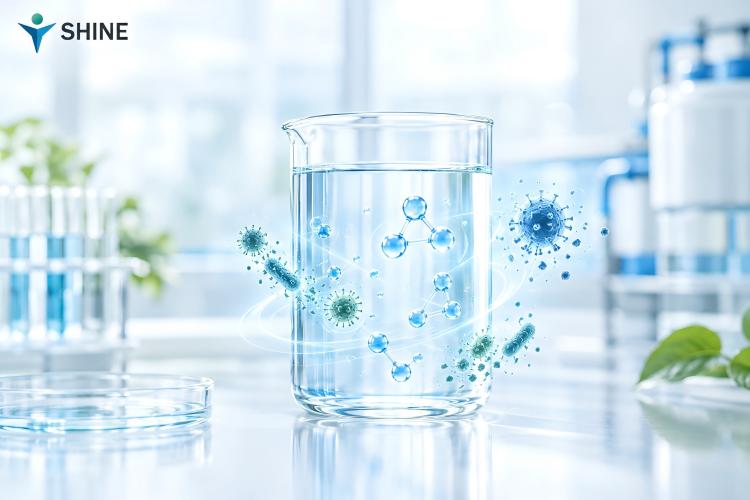
Hypochlorous acid (HOCl) is a weak acid that contains hydrogen, oxygen, and chlorine. It forms in water when chlorine reacts with water under suitable conditions. Scientists also recognize it as an important antimicrobial substance in the human immune system.
Hypochlorous Acid Formula and Basic Properties
The hypochlorous acid chemical formula is HOCl, also written as HClO. Its CAS number is 7790-92-3, and its molecular weight is approximately 52.46 g/mol.
Here are several important facts about this chemical:
Formula: HOCl or HClO
Molecular weight: 52.46 g/mol
CAS number: 7790-92-3
Chemical type: Weak chlorine-containing acid
Main action: Oxidation and antimicrobial activity
Stability: Sensitive to light, heat, and storage conditions
When people ask, "What is hypochlorous acid?" we explain it simply. HOCl is an active chlorine compound that reacts with many substances, including components of microbial cells. These reactions help explain its role in disinfection.
Is HOCl Naturally Occurring?
Yes. White blood cells, especially neutrophils, produce HOCl through an enzyme called myeloperoxidase. This process helps the immune system respond to invading microorganisms.
However, naturally occurring HOCl inside the body does not make every commercial product automatically safe. Concentration, formulation, exposure, and intended use still matter. We always recommend selecting products designed for their specific applications.
How Does Hypochlorous Acid Work?
The main action of hypochlorous acid involves oxidation. In simple terms, oxidation changes the chemical structure of another substance through an electron-transfer process or related chemical reactions. HOCl reacts with important components of microbial cells and can disrupt their normal functions.
How Oxidation Damages Microorganisms
Many microorganisms depend on proteins, lipids, and enzymes to survive. HOCl reacts with these components and changes their structure. As damage increases, cells may lose essential functions and die.
For example, HOCl can affect:
Cell membrane: Damage can interfere with the movement of substances into and out of cells.
Cell wall: Chemical changes can weaken protective structures in susceptible microorganisms.
Proteins and enzymes: Oxidation can disrupt the reactions that cells need to survive.
Other cell components: HOCl can react with several biological molecules.
These effects help explain why properly formulated HOCl solutions can provide broad-spectrum antimicrobial activity. However, effectiveness depends on the microorganism, available chlorine concentration, pH, contact time, and surface conditions.
Is Hypochlorous Acid a Strong Oxidizer?
HOCl is a reactive oxidizing agent, although hypochlorous acid is a weak acid. These terms describe different chemical properties. A weak acid does not necessarily have weak antimicrobial activity.
At suitable pH levels, HOCl can provide highly effective disinfection. Yet no single concentration or formulation works equally well in every situation. We recommend matching the solution to the target microorganism and intended use.
Hypochlorous Acid Uses in Daily Life
Hypochlorous acid uses cover a wide range of settings, from food processing to healthcare and water treatment. Its practical value comes from its antimicrobial action and the ability to prepare suitable aqueous solutions for different tasks.
Surface and Equipment Disinfection
A properly formulated hypochlorous acid solution can help disinfect suitable hard surfaces and equipment. Applications may include food-processing equipment, work surfaces, selected commercial facilities, and other areas that require microbial control.
Before use, check the product label for its approved surfaces, concentration, and contact time. Remove heavy dirt first because organic material can reduce disinfectant performance. Also, confirm material compatibility to avoid damage to sensitive metals or finishes.
Wound Care and Personal Care
Some specially formulated HOCl products support wound cleansing and other healthcare applications. Researchers have studied HOCl because of its antimicrobial activity and role in biological defense. However, a general-purpose disinfectant does not automatically qualify for wound care or skin use.
For these applications, choose a product intended for the specific purpose. Follow professional medical advice and the manufacturer's directions. Do not assume that every hypochlorous acid spray suits the eyes, mouth, open wounds, or sensitive skin.
Food Processing and Water Treatment
Food processors may use approved HOCl formulations to support sanitation and microbial control. Certain authorized uses also cover fresh produce treatment under specific conditions. In the United States, the Food and Drug Administration (FDA) regulates particular food-related uses, while other requirements may apply depending on the application.
Water treatment also relies on chlorine-based chemistry to control harmful microorganisms. However, drinking-water systems require careful control of disinfectant dosage, water quality, and residual levels. Operators must follow local regulations and validated treatment procedures.
Hypochlorous Acid vs. Hydrogen Peroxide
Hydrogen peroxide (H₂O₂) and hypochlorous acid are both oxidizing agents. However, they have different chemical structures and reaction pathways. Their performance also depends on the formulation and conditions of use.
Feature | Hypochlorous acid (HOCl) | Hydrogen peroxide (H₂O₂) |
Chemical formula | HOCl | H₂O₂ |
Chemical type | Weak chlorine-containing acid | Peroxide compound |
Main action | Oxidation and chlorination reactions | Oxidation reactions |
Biological role | Produced by certain white blood cells | Participates in several biological processes |
Practical uses | Selected disinfection and sanitation tasks | Selected cleaning, disinfection, and industrial tasks |
Key factors | pH, available chlorine, contact time, organic load | Concentration, contact time, formulation, organic load |
Neither chemical is the best choice for every application. The right option depends on the target, required performance, material compatibility, and safety rules. We encourage buyers to compare validated product data rather than relying on broad claims.
What Affects HOCl Performance and Shelf Life?
HOCl solutions can lose strength during storage. Light, heat, pH, container materials, and contamination can affect stability. As a result, shelf life varies between formulations and production methods.
Why Fresh Production Matters
A solution may contain less available chlorine after extended storage. This change can reduce its ability to deliver the intended disinfection performance. A product that looks clear may still have lost some of its active ingredient.
For reliable use, operators should check:
Available chlorine: Measure it with a suitable test method.
pH: Confirm that it falls within the system's target range.
Storage conditions: Follow the manufacturer's guidance on light and temperature.
Container quality: Use compatible containers that limit contamination.
Shelf life: Follow validated stability data rather than assuming a fixed period.
Some products remain stable longer than others. Therefore, we do not recommend applying one universal shelf-life figure to every HOCl solution.
Why Neutral pH Is Not Always the Goal
Some buyers assume that a neutral pH always delivers the best results. In reality, HOCl performance depends on the relationship between pH and chlorine chemistry. As pH rises, HOCl increasingly converts into the hypochlorite ion (OCl⁻).
The balance between these forms affects disinfection behavior. A suitable pH range depends on the system design and intended application. Operators should monitor pH and available chlorine together, rather than treating either value as a complete measure of performance.
How an HOCl Generator Supports On-Site Production
An HOCl Generator produces hypochlorous acid solution at the point of use. Depending on the system design, it uses water, salt or another specified electrolyte, and electricity to create a solution with controlled operating parameters.
At Shandong Shine Health, we focus on practical equipment design and production requirements. On-site generation can reduce dependence on frequent deliveries of ready-made solution. It can also help users prepare fresh solution when they need it.
What Should Buyers Check?
Before selecting a system, we recommend reviewing these key parameters:
Production flow: Match output in L/h to actual demand.
Available chlorine: Define the required concentration in ppm or mg/L.
pH range: Confirm the target for the intended application.
Water quality: Check hardness, conductivity, and other relevant factors.
Control system: Review monitoring, alarms, and operating procedures.
Maintenance: Confirm cleaning, inspection, and replacement requirements.
Salt and water may form part of the input process, but the exact design depends on the equipment. Buyers should confirm the required electrolyte, water specifications, and electrical supply with the manufacturer. They should also review ventilation and other safety measures where the process may produce hydrogen.
On-site production does not remove the need for testing or safe handling. Operators must verify solution quality and use the product only for suitable, approved applications. A well-matched system should support reliable daily operation, not simply produce a high output figure.
Final Thoughts: Put Chemistry to Work
So, what does hypochlorous acid do? It uses reactive chlorine chemistry to oxidize important components of microorganisms and help control microbial growth. This action supports a wide range of potential disinfection applications, provided users select the right formulation and follow suitable procedures.
We see fresh production as a practical option for facilities with regular HOCl demand. A properly selected HOCl Generator can help users manage production volume and solution quality at the point of use. At Shandong Shine Health, we encourage buyers to start with their application, required concentration, and daily demand before choosing equipment.
Contact Shandong Shine Health to discuss your HOCl generation requirements and explore a suitable on-site solution.