

Chlorine Disinfection in Water Treatment
Why Chlorine Still Matters
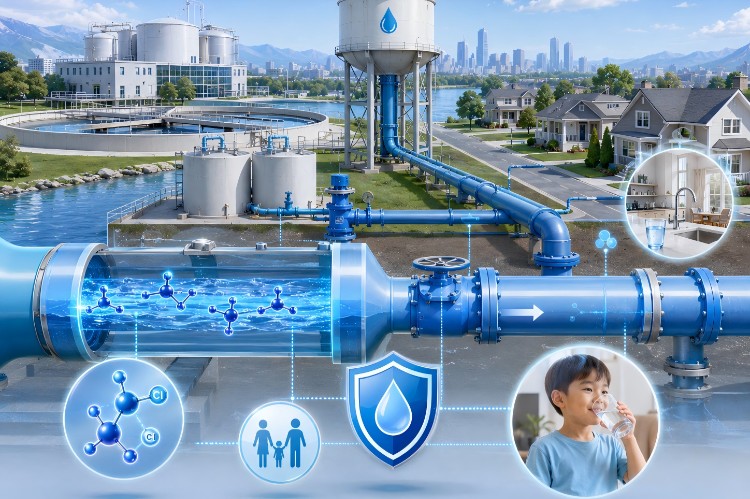
Chlorine Disinfection in Water Treatment remains one of the most trusted ways to protect drinking water. We use it because it works, costs less than many alternatives, and leaves a measurable residual. That residual helps protect water after it leaves the water treatment plant.
Every water source behaves differently. River water, groundwater, reservoir water, and reclaimed water all carry different risks. Some contain more organic matter, while others may contain more bacteria and viruses.
That is why operators must dose chlorine based on real water quality. Guesswork does not belong in a water supply system. Clean water should come from control, testing, and steady operation.
How Chlorine Works in Water
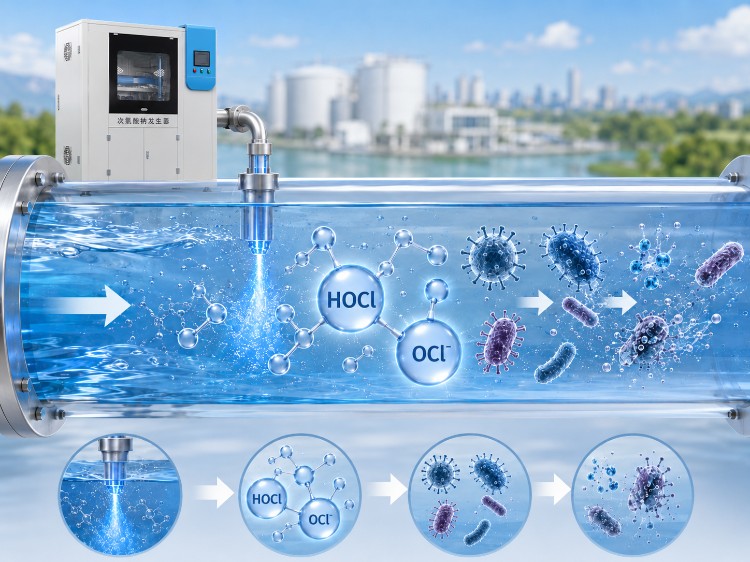
Chlorine forms active disinfecting compounds after it enters water. The most important one is hypochlorous acid, HOCl. This compound attacks harmful microorganisms and disrupts their normal functions.
The balance between hypochlorous acid HOCl and hypochlorite ion depends mainly on pH. Lower pH usually creates more HOCl, which disinfects faster. Higher pH creates more hypochlorite ion, which usually works more slowly.
Operators also watch temperature, turbidity, ammonia, and organic matter. Cold water slows reactions. High turbidity can hide microbes from the disinfectant.
Key Operating Parameters
Most water treatment plant teams track several values during primary disinfection. These include free chlorine residual, pH, ORP, flow rate, and contact time. Many systems use free chlorine targets between 0.2–4.0 mg/L, depending on local rules and water conditions.
The CT concept also guides disinfection planning. CT means chlorine concentration multiplied by contact time. A higher CT value can improve microbial control, but too much chlorine may affect taste and increase disinfection by products.
Chlorine Sources for Water Treatment
A plant can use several chlorine sources. Common options include gas chlorine, sodium hypochlorite, calcium hypochlorite, and on-site generation. Each option has different safety, storage, and operating needs.
Sodium hypochlorite offers easy dosing and fast mixing. Operators use it in municipal systems, industrial water, storage tanks, and emergency treatment. However, high-strength commercial solutions can lose strength during storage.
Calcium hypochlorite usually comes as tablets or granules. It contains high available chlorine and stores well when kept dry. Still, it needs careful handling because it can react with moisture and incompatible materials.
Sodium Hypochlorite Generator Basics
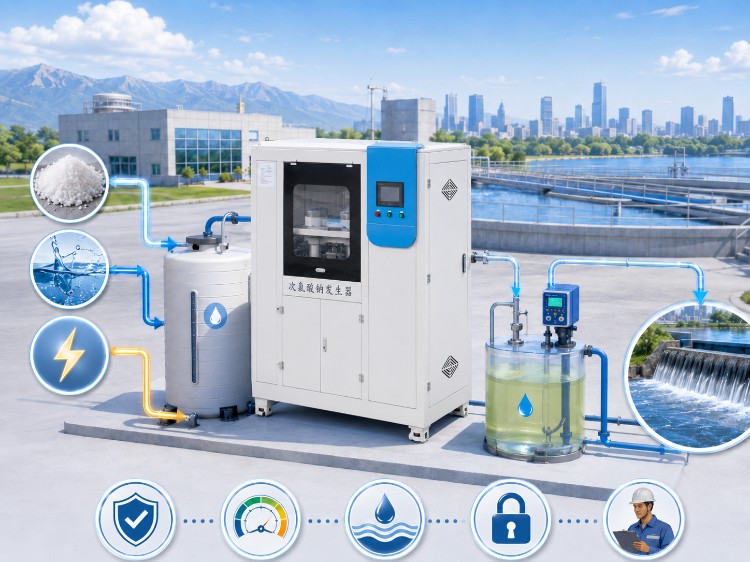
A Sodium Hypochlorite Generator produces low-strength sodium hypochlorite from salt, softened water, and electricity. Some users search “ow-strength,” although they usually mean “low-strength.” On-site generation can reduce transport risks and improve chemical availability.
Generated solution often contains about 0.6%–0.8% available chlorine, depending on system design. Operators can dose it into raw water, filtered water, storage tanks, or distribution systems. This approach helps sites that need stable water disinfectant production.
Shandong Shine Health designs equipment for users who want safe operation and steady output. We care about practical engineering because real plants need simple tools. A system should help operators, not confuse them.
Where Chlorine Enters the System
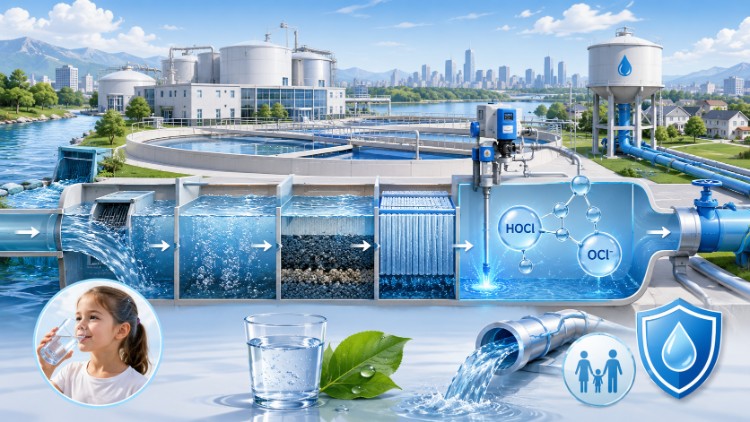
Chlorine can enter the treatment process at different points. Some plants apply it before coagulation. Others do it after filtration, before clear wells, or before storage tanks.
Pre-chlorination may control algae, odor, and biological growth. However, it can increase disinfection by products when raw water contains high organic matter. Post-chlorination often supports final disinfection and residual control.
Booster chlorination helps long pipelines and remote service areas. It can keep residual chlorine stable across distribution systems. This matters when water travels far before reaching the final tap.
Primary Disinfection
Primary disinfection aims to inactivate pathogens before water reaches users. Operators must provide enough chlorine and enough contact time. They also need low turbidity because particles can protect microbes.
We see chlorine as the goalkeeper of the treatment process. It matters a lot, but it should not play every position. Coagulation, sedimentation, filtration, and source protection must also do their jobs.
Residual Protection in Distribution
Residual protection keeps water safer inside the water distribution system. Pipes, valves, pumps, and storage tanks can change water quality. A stable residual helps control microbial regrowth.
In the United States, utilities often monitor disinfectant residual across distribution networks. Many other countries follow similar practices. The goal stays simple: protect drinking water from the plant outlet to the household tap.
Managing Water Quality and By-Products
Chlorine can react with natural organic matter in some water sources. These reactions may form disinfection by products, including trihalomethanes and haloacetic acids. Regulators monitor these compounds because long-term exposure may raise health concerns.
Good upstream treatment can reduce this risk. Coagulation, sedimentation, filtration, activated carbon, and membranes can lower chlorine demand. Cleaner source water also supports better finished water quality.
Operators should avoid the “dose and hope” approach. It may sound funny, but it creates real problems. Smart dosing depends on testing, monitoring, and seasonal adjustment.
Reducing Disinfection By Products
Plants can reduce disinfection by products with several practical steps. First, they can remove natural organic matter before final chlorine dosing. Second, they can optimize pH, dose, and contact time.
Third, they can avoid excessive chlorine in high-organic water. Some facilities also use UV, ozone, or advanced oxidation before chlorine. Others use chloramine when they need longer residual stability.
Every method has trade-offs. The best design balances microbial safety, cost, taste, by-product control, and operator skill. We believe practical design beats fashionable shortcuts.
Choosing a Practical Chlorine System
Choosing a chlorine system starts with flow and water quality. A small village system has different needs from a large city plant. A factory may need different dosing logic than a municipal utility.
Buyers should review several parameters before selecting equipment:
Flow rate: m³/h or GPM
Target residual: mg/L or ppm
Water source: groundwater, surface water, or reclaimed water
pH range: often around 6.5–8.5
Temperature: °C affects reaction speed
Contact time: minutes in tank, pipe, or clear well
Storage volume: tank size and ventilation
Power supply: voltage, frequency, and backup needs
They should also check salt consumption, electrode life, cleaning cycles, and dosing accuracy. These details affect long-term operating costs. A cheap purchase can become expensive if maintenance feels like a weekly puzzle.
Buyer Checklist
Before choosing a Sodium Hypochlorite Generator, we suggest asking practical questions. What is the peak flow rate? What is the average daily demand? Does the site have stable power?
Operators should also confirm whether they can maintain pumps, tanks, sensors, and electrodes. A good supplier should explain capacity, available chlorine output, brine requirements, and maintenance intervals. Real water projects need real answers.
The Future of Chlorine Disinfection
Chlorine will remain important because it is measurable, affordable, and effective. However, the way we manage it keeps improving. Smart sensors now track residual chlorine, ORP, pH, flow, and tank levels.
Remote monitoring helps operators respond before small issues grow. Modern control systems can adjust dosing based on demand, flow, and water quality changes. This improves safety while reducing chemical waste.
For Shandong Shine Health, the mission is clear. We want to support safer water disinfection with reliable equipment and practical engineering. Clean water should not depend on luck.
Conclusion
Chlorine Disinfection in Water Treatment protects drinking water when operators control it properly. It helps treat water, kill bacteria and viruses, and maintain residual protection across distribution systems.
Sodium hypochlorite, calcium hypochlorite, and on-site generation all have useful roles. The best choice depends on site conditions, safety goals, storage limits, and operating skills.
We believe practical systems should make water treatment easier, not more confusing. With the right approach, chlorine can protect every step from the water source to the household tap.