

Hypochlorous Acid Generator Guide
Hypochlorous acid offers a practical way to manage disinfection across many industries. However, the quality of the final solution depends on more than the machine itself. Water quality, electrolysis technology, pH control, and operating conditions all affect performance.
At Shandong Shine Health, we focus on equipment that generates fresh hypochlorous acid (HOCl) on-site. We believe a reliable system should offer stable output, simple operation, and clear control over key parameters. In this guide, we explain how the equipment works and which components deserve the most attention.
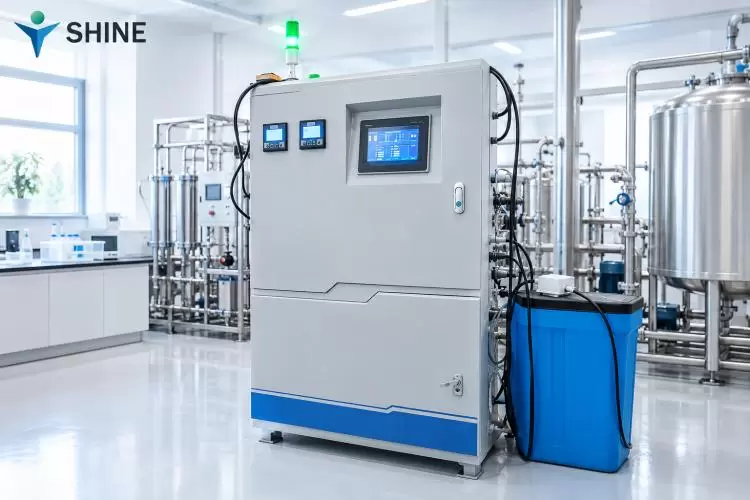
What Is a Hypochlorous Acid Generator?
A hypochlorous acid generator is a device that produces HOCl through a controlled chemical or electrochemical process. Many systems use water, salt or brine, electricity, and suitable control technology. The exact process depends on the machine design and the required output.
The main benefit is simple: users can generate a disinfectant solution when they need it. This approach can reduce the need to transport and store large amounts of ready-made products. It can also support an environmentally friendly workflow when operators manage water, electricity, and consumables carefully.
Why HOCl Matters for Disinfection
Hypochlorous acid (HOCl) is a chlorine-based oxidizing agent. It can help inactivate bacteria, viruses, and fungi when the concentration, contact time, and application suit the target organism. However, no disinfectant works equally well under every condition. Organic matter, pH, and other factors can affect performance.
At Shandong Shine Health, we focus on generating HOCl on-site for suitable professional applications. We value consistent output and practical controls because a powerful disinfectant needs reliable production, not just an impressive product label.
How Does the Machine Work?
Most electrolysis-based systems use electricity to drive reactions in a prepared solution. Their design determines how they manage the feedwater, electrolyte, electrode reactions, and final output. Operators must follow the manufacturer's instructions because different systems may use different raw materials and operating conditions.
1. Water preparation
The system supplies water that meets its feedwater requirements. Filtration or other pretreatment may help control unwanted minerals and impurities.
2. Electrolyte preparation
Depending on the design, the system prepares a salt solution or uses another specified electrolyte. Correct concentration helps support stable operation.
3. Electrolysis
The control system supplies electrical power to the electrolysis cell. Electrochemical reactions produce chlorine-containing species under suitable conditions.
4. Output control
The system manages operating conditions and delivers the generated solution. Operators check the pH and available chlorine to confirm the output meets specifications.
The Role of pH and Available Chlorine
Two measurements deserve special attention: pH and available chlorine. HOCl exists in equilibrium with the hypochlorite ion (OCl⁻), and pH affects their relative amounts. As pH rises, a greater share of free chlorine shifts toward OCl⁻, which generally has lower antimicrobial activity.
Operators should therefore check both measurements rather than relying on one number. For example, two solutions with similar available chlorine levels may not deliver the same disinfection performance if their pH values differ. The correct operating range depends on the generator design and the intended application.
5 Components That Matter Most
When comparing HOCl generators, we recommend looking beyond the outer housing and digital display. Internal components determine output stability, operating costs, and maintenance needs. These five areas deserve close attention.
1. Electrolysis Cell and Electrodes
The electrolysis cell forms the heart of the system. Electrode material, surface area, spacing, and cell design influence current flow and production efficiency. Poor design can increase energy use or cause output to drift over time.
When evaluating this component, ask about:
Electrode materials and expected service life.
Rated output under stated operating conditions.
Resistance to corrosion and scaling.
Cell cleaning and replacement requirements.
Available performance and durability test data.
We recommend requesting test results at the specified production rate. A large output claim means little without clear operating conditions.
2. Water Treatment and Feed System
Feedwater quality directly affects long-term reliability. Hard water can cause scale, while certain impurities may affect electrode performance. A suitable pretreatment system can help reduce these risks.
Before selecting equipment, check water hardness, conductivity, chloride levels, and other relevant water-quality indicators. Ask the supplier to explain any limits that apply to your site. This step can prevent avoidable maintenance problems later.
3. Power Supply and Control System
The power supply must deliver stable electrical input. Meanwhile, the control system helps operators manage production and monitor important settings. A user-friendly interface should make daily checks simple without hiding critical information.
Useful features include:
Clear operating status and fault alarms.
Adjustable production settings where the design supports them.
Overcurrent and overtemperature protection.
Recorded operating data, if required.
Accessible service settings for trained personnel.
These features support optimizing performance and help staff identify problems before they interrupt production.
4. pH and Chlorine Monitoring
A generator needs suitable monitoring to verify solution quality. Depending on the application, operators may need a pH meter, a free available chlorine test, or online sensors. They should also calibrate instruments according to the manufacturer's schedule.
Do not assume that the machine always produces the correct solution simply because its display shows normal operation. Independent testing helps confirm actual output. For critical applications, establish documented testing procedures and acceptance limits.
5. Safety, Ventilation, and Drainage
A reliable system must protect both people and equipment. Electrolysis can generate hydrogen, depending on the cell design and operating process. The installation may therefore require suitable ventilation, gas management, electrical protection, and drainage.
Ask the supplier to explain the system's safety features and installation requirements. Never block ventilation openings or ignore gas alarms. Also, never mix generated disinfectant with acids, ammonia, or unapproved chemicals, as dangerous reactions may occur.
How to Choose the Best HOCl Generator
The best HOCl generator matches your actual demand, water conditions, and operating environment. A larger machine does not automatically offer better value. Likewise, the lowest purchase price may hide higher energy use or frequent component replacement.
Compare Capacity, Cost, and Maintenance
Use the following checklist when comparing suppliers:
Selection factor | What to check |
Production capacity | Output in L/h or L/batch |
Available chlorine | Required concentration in ppm or mg/L |
pH control | Operating range and testing method |
Feedwater | Quality limits and pretreatment needs |
Power | Voltage, rated power, and energy consumption |
Materials | Electrode quality and wetted-part compatibility |
Maintenance | Cleaning intervals and replacement costs |
Safety | Ventilation, alarms, and electrical protection |
Support | Installation guidance, training, and spare parts |
For dilute aqueous solutions, 1 ppm approximately equals 1 mg/L. Production capacity and concentration describe different things, so compare both when reviewing specifications.
For example, a system producing 100 L/h at 50 ppm delivers approximately 5 g/h of available chlorine. A system producing 100 L/h at 100 ppm delivers approximately 10 g/h. These figures assume the stated flow and concentration remain stable during operation.
What About a Home Use Machine?
A hypochlorous acid generator for home use usually emphasizes compact size and simple operation. However, household devices and industrial systems serve different needs. Buyers should check the intended applications, output limits, safety instructions, and applicable local requirements.
The best hypochlorous acid machine is not necessarily the one with the most features. It is the one that produces a verified solution consistently and fits the user's real needs. For professional facilities, output records, service access, and long-term reliability often matter more than appearance.
Is HOCl an Eco-Friendly Disinfectant?
Generating HOCl on-site can reduce reliance on transported, ready-made disinfectant products. It may also reduce packaging and storage needs. These benefits depend on the complete process, including electricity use, water consumption, consumables, and maintenance.
We view eco-friendly performance as a practical engineering goal rather than an automatic product claim. A well-designed system should use resources efficiently and help operators avoid unnecessary waste. At the same time, users must follow the correct application instructions and local rules.
HOCl can serve as a highly effective disinfectant for suitable uses. However, no single solution replaces every cleaning or disinfection method. Operators must match the product to the target organism, surface, concentration, and required contact time.
Can It Replace Every Disinfectant?
No. A safe disinfectant must suit its intended use, and users must follow the product label. Some applications require specific regulatory approvals, validated procedures, or different chemicals.
Do not assume that a solution works on every surface or is safe for every type of contact. Food processing, dental care, healthcare, and general surface cleaning each have different requirements. Always verify the intended use before applying the solution.
Keep Performance Consistent Over Time
Even a well-designed machine needs regular maintenance. We recommend a simple routine that covers daily checks and scheduled service.
Daily: Check alarms, leaks, output readings, and operating conditions.
Weekly: Inspect visible tubing, connections, and water quality trends.
Monthly: Review sensor calibration, electrode condition, and performance records as required.
At scheduled intervals: Clean or replace components according to the manufacturer's instructions.
The exact schedule depends on water quality, operating hours, and system design. Keep records of output concentration, pH, service work, and component changes. These records help identify gradual changes before they become costly failures.
Conclusion
A reliable HOCl system combines a well-designed electrolysis cell, suitable feedwater treatment, stable power, accurate monitoring, and strong safety controls. Each component plays a role in maintaining consistent output and controlling operating costs. By checking these details before purchasing, buyers can make a more informed choice.
At Shandong Shine Health, we believe practical engineering and clear operating data matter more than marketing promises. Our goal is to help customers select equipment that fits their production needs and supports dependable on-site disinfection.