

Dental Unit Disinfection Guide
Why Dental Unit Disinfection Matters
We all know one thing about a dental practice—it must feel clean before it even looks clean. Patients sit down and trust us with their health. That trust depends on how well we manage Dental Unit Disinfection every single day.
Dental units face constant exposure to blood or other potentially infectious materials. During routine dental procedures, aerosols spread quickly. These tiny droplets can settle on surfaces, tools, and even inside dental unit waterlines. If we ignore this risk, cross-contamination becomes almost inevitable.
That’s why we follow strict guidelines for infection control. We don’t just clean. We ensure every surface gets properly cleaned and disinfected using reliable methods that meet state and local regulations.
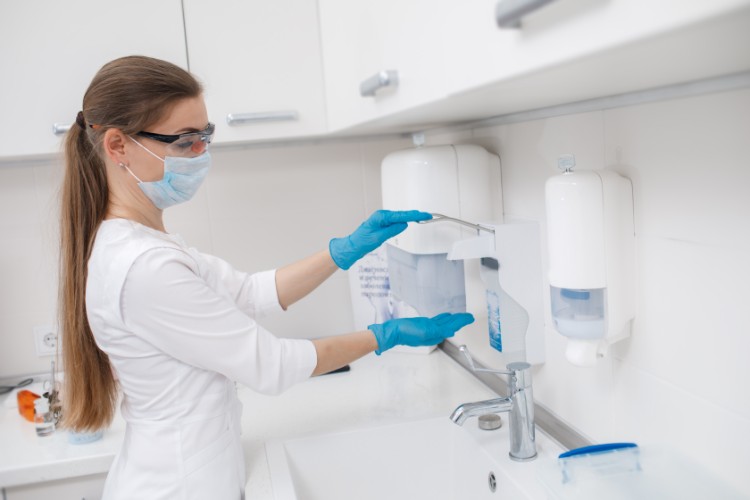
Key Risks in a Dental Setting
A busy dental setting hides more risks than we often admit. Even a simple cleaning procedure can release contaminants into the air.
Aerosols and Splatter
When we use an air-water syringe, it creates aerosols instantly. These aerosols may carry bacteria and viruses across the room. They can land on equipment, chairs, and even personal items.
Contaminated Waterlines
Dental unit waterlines provide ideal conditions for biofilm growth. Without proper treatment, bacteria multiply fast. This can affect dental health care quality and patient safety.
Surface Contamination
Every patient care item becomes a potential carrier. Handles, trays, and light switches often get overlooked. However, they play a major role in spreading infection.
Guidelines for Infection Control
We follow recommendations from the Centers for Disease Control and Prevention and align with guidelines for disease control and prevention. These guidelines give us a clear roadmap.
Core Requirements
Use approved disinfectants recognized by the Environmental Protection Agency (EPA)
Follow Food and Drug Administration (FDA) standards for safety
Apply proper personal protective equipment (PPE)
Maintain clean water systems in dental units
These steps may sound basic, but consistency makes all the difference.
Daily Compliance Checklist
Disinfect all surfaces between patients
Flush waterlines for 20–30 seconds
Use barrier protection where possible
Monitor disinfectant concentration (50–80ppm works well)
We treat this checklist like a ritual. Skip one step, and the system weakens.
Why Hypochlorous Acid Works
We’ve tested many disinfectants, but hypochlorous acid HOCl stands out. It feels almost too good to be true, but the science backs it up.
Gentle but Powerful
HOCl exists naturally in our immune system. Our white blood cells produce it to fight pathogens. That means it kills microbes fast while staying safe for humans.
At 50–80ppm, it offers:
Rapid microbial reduction
Low toxicity
No harsh chemical residue
Minimal odour (a big win for patients!)
Better Than Traditional Chemicals
Traditional high-level disinfectants often contain harsh ingredients. They can irritate skin and damage equipment over time. In contrast, HOCl feels mild but performs strongly.
We’ve seen staff smile more when using it. No burning smell. No watery eyes. That alone improves the workday.
How We Apply HOCl in Dental Units
We believe good disinfection should feel simple, not complicated. So we built a routine that fits naturally into daily workflows.
Surface Disinfection
We spray HOCl directly on:
Dental chairs
Instrument trays
Light handles
Countertops
We let it sit for 30–60 seconds. Then we wipe it clean. Easy, fast, and effective.
Waterline Treatment
We use HOCl to maintain dental unit waterlines. It prevents biofilm buildup and keeps water quality stable.
Steps include:
Add solution at 50–80ppm
Circulate through the system
Flush before patient use
This routine keeps the water safe without complex maintenance.
Instrument Pre-Cleaning
Before sterilization, we soak tools in HOCl. It reduces microbial load and prepares instruments for final processing.
Personal Protective Equipment Matters
Even the best disinfectant can’t replace personal protective equipment PPE. We treat PPE as our first line of defence.
Essential PPE in Practice
Gloves
Masks
Face shields
Protective gowns
We train staff to use PPE correctly. It’s not just about wearing it—it’s about using it properly.
Combining PPE and Disinfection
When we combine PPE with strong disinfection, we create a layered defence system. This approach minimizes exposure risks during dental procedures.
Meeting Regulations and Standards
Compliance isn’t optional. It’s a responsibility we take seriously.
Regulatory Bodies We Follow
Centers for Disease Control and Prevention
Food and Drug Administration FDA
Environmental Protection Agency EPA
These organizations define what safe dental practice looks like.
Staying Ahead of Inspections
We keep records of:
Disinfection schedules
Chemical concentrations
Equipment maintenance
This helps us stay ready for inspections and ensures consistent quality.
Choosing the Right Disinfection System
Not all systems work the same. We learned this the hard way after trying several options.
What We Look For
Stable output at 50–80ppm
Easy integration into existing dental units
Low maintenance requirements
Reliable performance over time
A good HOCl Generator should meet these needs without adding complexity. We avoid systems that require constant adjustments.
Practical Tips
Test concentration regularly
Train staff thoroughly
Keep backup supplies ready
Review protocols monthly
These small habits create big improvements.
Our Experience in Dental Practice
We’ll be honest—switching to HOCl changed how we feel about disinfection. It made our workflow smoother and reduced stress.
Patients notice the difference too. They often comment on the fresh smell and clean environment. That feedback matters more than any technical metric.
We also saw fewer complaints about irritation. Staff comfort improved, and efficiency increased. That’s a rare combination.
Final Thoughts on Dental Unit Disinfection
At the end of the day, Dental Unit Disinfection isn’t just a technical task. It’s a promise we make to every patient who walks through the door.
We focus on:
Preventing cross-contamination
Following guidelines for infection control
Using safe and effective solutions like hypochlorous acid HOCl
Maintaining high standards in every dental setting
When we get this right, everything else falls into place. Clean tools, safe water, and confident patients—that’s the goal we chase every day.