

Does Hypochlorous Acid Smell Like Chlorine
Many people ask us one simple question: Does Hypochlorous Acid Smell Like Chlorine? The short answer is yes, but only a little. The smell is usually much lighter than household bleach. Most people notice a clean, fresh scent instead of a strong chemical odor.
We manufacture HOCl Machine systems every day, so we hear this question often. Customers expect a harsh chlorine smell because they connect chlorine with swimming pools or bleach. However, hypochlorous acid works very differently. The odor depends on several factors, including the pH level, concentration, raw materials, and storage conditions.
In this guide, we explain why HOCl has a mild smell, what causes it, and why that smell often means your solution remains fresh and active. We also share practical tips based on our production experience.
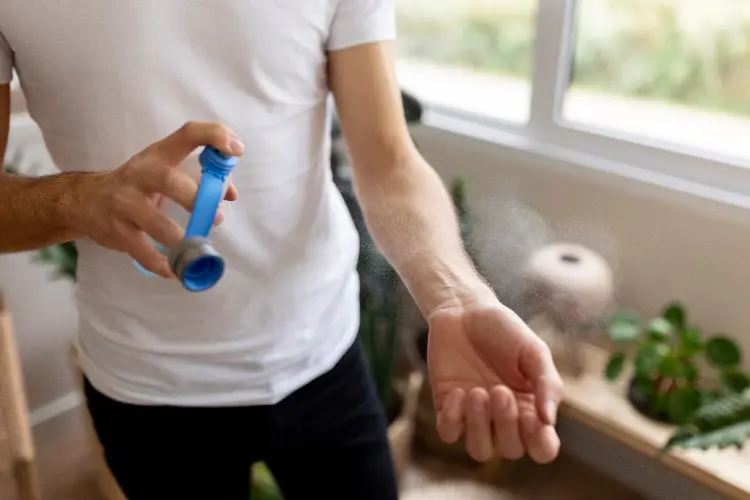
Why Does Hypochlorous Acid Have a Smell?
Hypochlorous acid naturally contains active chlorine. That sounds scary at first, but it should not.
When we produce HOCl with our equipment, the solution contains free available chlorine. This active ingredient helps with killing bacteria, viruses, fungi, and many other harmful microbes. Because of this active chlorine, some people notice a faint chlorine-like smell.
The important point is intensity.
A fresh HOCl solution should never smell like concentrated bleach. Instead, it usually has:
Light chlorine scent
Fresh swimming pool smell
Clean water smell
Very mild disinfectant odor
Many first-time users even ask us, "Is that all?" They expect a powerful smell but receive a surprisingly gentle one.
What Creates the Chlorine Smell?
Several factors influence the odor.
pH Level Makes the Biggest Difference
The pH level changes the balance between hypochlorous acid (HOCl) and hypochlorite ions (OCl⁻).
For most effective HOCl solutions:
pH: 5.0–6.5
Available chlorine: 20–500 ppm
ORP: +800 to +1100 mV
Within this range, HOCl remains highly active while keeping the smell mild.
If the pH rises above 7.5, more hypochlorite forms. The solution may begin smelling closer to traditional bleach.
That is one reason we carefully control every production parameter in our HOCl Machine systems.
Concentration Also Changes the Odor
Concentration matters just as much.
For example:
Available ChlorineTypical Odor20 ppmAlmost no smell50 ppmVery light scent100 ppmMild chlorine smell200 ppmNoticeable but comfortable500 ppmStronger disinfectant odor.
Higher concentration naturally produces a stronger smell.
Fortunately, stronger odor does not always mean better performance.
Does Stronger Smell Mean Better Disinfection?
Many people believe strong odor equals stronger cleaning.
That idea sounds logical, but it is often wrong.
Hypochlorous acid destroys microorganisms through oxidation. It attacks cell walls quickly and efficiently. Even a solution with almost no smell can perform extremely well.
Many laboratory studies show properly produced HOCl kills 99.9% of many common microorganisms within a short contact time.
The nose cannot accurately measure disinfecting strength.
Instead, we recommend checking:
Available chlorine (ppm)
pH level
ORP value
Production date
Storage condition
Those numbers tell the real story.
How Our HOCl Machine Controls Odor
Producing stable hypochlorous acid requires much more than adding salt and electricity.
Modern HOCl Machine equipment carefully controls every stage.
Stable Electrolysis
We use controlled electrolysis to maintain stable production.
Our systems monitor:
Voltage
Current
Flow rate
Electrolysis time
Water quality
Raw material ratio
Stable production creates more consistent HOCl.
That means better performance and more predictable odor.
Precise pH Control
The correct pH level keeps HOCl dominant.
When pH stays around 5.0–6.5, the solution usually smells much milder than bleach.
We always tell customers that pH affects both performance and user experience.
A balanced solution feels more comfortable during everyday use.
Why Do Hypochlorous Acid Sprays Smell Different?
Not every bottle smells the same.
That surprises many users.
Manufacturing Method
Different manufacturers use different technologies.
Some produce nearly pure HOCl.
Others produce mixed chlorine species.
The production method changes the final odor.
High-quality hypochlorous acid sprays usually maintain:
Stable pH
Stable chlorine concentration
Low impurities
Better shelf stability
These features often reduce unwanted smells.
Storage Conditions
Storage also changes odor over time.
Heat speeds up chlorine loss.
Direct sunlight also reduces stability.
For best results:
Store below 25°C
Keep away from sunlight
Close bottles tightly
Avoid metal containers
Use fresh solution whenever possible
Fresh HOCl usually smells cleaner.
Older solution sometimes develops a weaker or different scent because active chlorine slowly decreases.
Does No Smell Mean It Stopped Working?
Not necessarily.
This question comes up almost every week.
A weak smell does not automatically mean poor performance.
Several reasons explain low odor:
Fresh balanced formula
Lower pH
Different production process
High purity
The opposite also applies.
A very strong smell does not guarantee excellent disinfection.
That is why professional users rely on testing instead of smelling.
Simple test strips can quickly measure available chlorine.
Everyday Uses of Hypochlorous Acid
People use HOCl in more places every year.
Its combination of effectiveness and gentle handling makes it popular across many industries.
Home Cleaning
Families often use HOCl for:
Kitchen counters
Cutting boards
Children's toys
Pet areas
Bathrooms
Garbage bins
Many users appreciate the light smell because it disappears quickly.
Nobody wants a house smelling like a swimming pool all afternoon.
Healthcare and Personal Care
Medical facilities increasingly use hypochlorous acid sprays for surface cleaning and hygiene support.
Many products also appear in:
Dental clinics
Veterinary clinics
Beauty salons
Wound care support
Public facilities
These products focus on killing bacteria while remaining comfortable to use.
Food Processing
Food factories often sanitize:
Processing equipment
Conveyor belts
Storage rooms
Fruit
Vegetables
Packaging areas
Operators appreciate that HOCl leaves very little odor after proper use.
That creates a more pleasant working environment.
Common Myths About Chlorine Smell
Several myths continue to confuse buyers.
Myth 1: More smell means stronger disinfectant.
Reality: Laboratory measurements matter much more.
Myth 2: HOCl should smell exactly like bleach.
Reality: Proper HOCl usually smells much milder.
Myth 3: No smell means no active chlorine.
Reality: Fresh low-concentration HOCl may have almost no noticeable odor.
Myth 4: Chlorine smell always means danger.
Reality: Properly produced hypochlorous acid contains controlled levels of available chlorine designed for its intended applications.
Why We Focus on Stable Quality
As an HOCl Machine manufacturer, we believe consistency matters more than strong odor.
Our engineering team spends countless hours optimizing:
Electrolysis efficiency
pH control
Flow stability
Chlorine concentration
System automation
Long-term reliability
Every parameter affects the final product.
When everything stays within the correct range, customers receive fresh hypochlorous acid with stable disinfecting performance and a mild, clean smell.
That combination builds confidence far better than an overpowering chlorine odor.
Final Thoughts
So, Does Hypochlorous Acid Smell Like Chlorine?
Yes, but only slightly.
A properly made solution usually has a gentle, fresh chlorine scent instead of the sharp smell people associate with bleach. The exact odor depends on the pH level, concentration, production technology, and storage conditions.
From our experience manufacturing HOCl Machine systems, we have learned that stable production creates better results. We focus on precise control because consistency matters more than smell alone. High-quality hypochlorous acid supports killing bacteria, performs reliably, and many tested formulations kill 99.9% of common germs when used according to validated instructions.
If someone judges HOCl only by its smell, they miss the real science. The best way to evaluate hypochlorous acid is through measured performance, stable quality, and proper production—not by how strongly it smells.