

HOCl vs Meningitis Outbreak
Understanding the Outbreak in Kent
Recent reports confirmed a serious outbreak of invasive meningococcal disease in Kent, UK. Health officials linked several cases to a nightclub in Canterbury. The disease spreads through droplets and close contact, which makes crowded spaces risky.
We feel the urgency when we read such news. Two lives lost are not just a statistic. It reminds us how fast bacteria can move through communities. Quick response and proper hygiene become critical in these moments.
This infection, caused by Neisseria meningitidis, can escalate quickly. Symptoms may appear suddenly and worsen within hours. That is why prevention matters just as much as treatment.
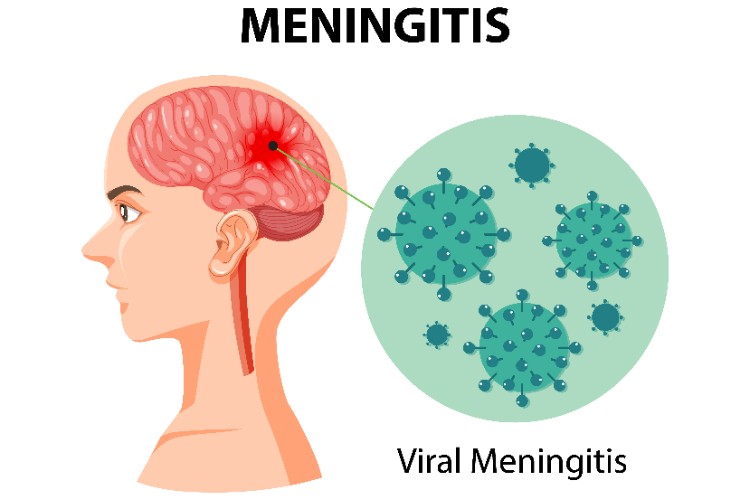
What Makes This Disease Dangerous
Rapid Transmission in Crowded Spaces
Nightclubs, schools, and dorms create ideal conditions for spread. People share air, drinks, and close contact. Bacteria move easily through respiratory droplets.
We often underestimate how fast this happens. One cough can affect multiple people within seconds. That is why outbreak control must focus on both people and surfaces.
Severe Impact on the Body
Once inside the body, the bacteria attack the bloodstream and brain. This leads to meningitis or septicemia. Both conditions can become life-threatening.
Our immune system fights back using white blood cells. These cells even produce natural disinfectants. That is where HOCl comes into play, acting as a "force of nature."
Why HOCl Matters in Outbreak Control
We always ask one simple question: what works fast and safely? The answer often points to hypochlorous acid, HOCl. It mimics what our immune system already does.
This solution destroys viruses and bacteria by breaking down cell walls. It reduces bacterial load within seconds. At 200ppm, it delivers strong yet safe disinfection.
Unlike harsh chemicals, it does not release chlorine gas under proper use. That makes it suitable for indoor environments like clubs and hospitals.
How HOCl Works in Real Situations
Breaking Down Cell Walls
HOCl attacks the outer layer of bacteria. It disrupts proteins and lipids. This action kills pathogens quickly.
We like to think of it as a precise tool. It does not just mask contamination. It eliminates it at the source.
Fast Action Time
Contact time: ~20 minutes for full disinfection
Surface protection: up to 24 hours in controlled conditions
Effective concentration: 50–200ppm
Speed matters during outbreaks. A slow disinfectant cannot keep up with spreading bacteria.
Comparing HOCl with Traditional Agents
Sodium Hypochlorite vs HOCl
Sodium hypochlorite works, but it has drawbacks. It can irritate skin and release chlorine gas. It also damages surfaces over time.
In contrast, HOCl feels gentler. It suits wound care and sensitive environments. That balance makes it ideal for frequent use.
Other Disinfection Agents
Alcohol: fast but evaporates quickly
Peroxide: effective but unstable
Quaternary compounds: leave residues
We often choose HOCl because it combines safety and performance. It works across many scenarios without harsh side effects.
Role of Hypochlorous Acid Generator
On-Site Production Benefits
A Hypochlorous Acid Generator creates a fresh solution using electrolyzed water. This process uses salt, water, and electricity.
We love the simplicity. No complex supply chains. No dangerous storage issues.
Shelf Life and Stability
Fresh solution lasts 24 hours at peak strength
The stored solution may degrade over time
Best practice: produce on demand
Shelf life matters during outbreaks. Fresh solution ensures maximum effectiveness.
Cleaning and Disinfecting Protocols
High-Risk Areas
We focus on spaces where transmission happens most:
Door handles
Bar counters
Restrooms
Shared equipment
Cleaning and disinfecting these areas reduces bacterial load quickly.
Practical Steps
Pre-clean surfaces to remove dirt
Apply HOCl at 200ppm
Allow 20 minutes of contact time
Let it air dry naturally
Consistency wins the battle. One-time cleaning does not stop an outbreak.
Safety and Regulatory Confidence
We always check credibility. Agencies like the World Health Organization and Environmental Protection Agency support effective disinfection practices.
EPA-registered solutions provide assurance. They meet strict safety and performance standards.
This matters when lives are at stake. We need solutions we can trust.
Cost-Effective and Eco-Friendly Choice
Lower Operational Costs
Uses salt and water
Reduces chemical purchases
Minimizes storage risks
We find it cost-effective for both small and large facilities.
Environmental Protection
Electrolyzed water leaves minimal residue. It breaks down into harmless components. That supports environmental protection goals.
We care about safety today and sustainability tomorrow.
Emotional Reality: Why We Care
When outbreaks happen, fear spreads faster than bacteria. We imagine crowded rooms and unseen risks. It feels overwhelming.
But we also feel hope. Tools like HOCl give us control. They turn panic into action.
We believe prevention should feel simple, not stressful. Clean spaces create confidence. And confidence helps communities recover faster.
Final Thoughts
The outbreak in Kent reminds us that bacteria never rest. We must stay prepared with effective tools and clear strategies.
HOCl used for the outbreak of invasive meningococcal disease offers a practical solution. It works fast, stays safe, and fits modern hygiene needs.
We trust science. We trust simple solutions. And most importantly, we act before problems grow.