

How to Choose a Commercial HOCl Machine
Choosing the right cleaning equipment can feel like navigating a maze. With so many options, how do we find a machine that truly delivers? Understanding what to look for in a commercial hypochlorous acid machine makes the process easier. We want reliable performance, safe operation, and long-term value without unnecessary costs.
A quality hypochlorous acid machine can help businesses produce fresh HOCl solutions on-site. However, not every model offers the same performance. Let's explore the features that matter most before making an investment.
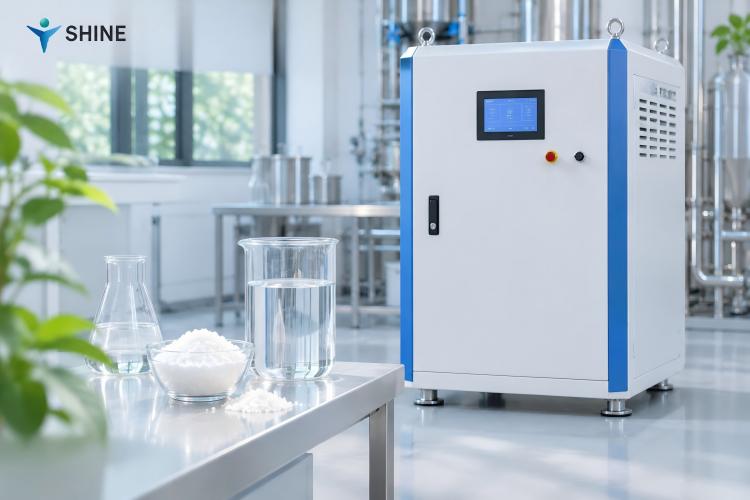
1. Understand How a Hypochlorous Acid Machine Works
The Science Behind HOCl Generation
A hypochlorous acid generator uses electrolysis to produce a solution containing hypochlorous acid (HOCl). Most systems use water, salt, and electricity. The process converts chloride ions into active chlorine compounds, including HOCl.
The balance between HOCl and hypochlorite depends largely on pH. Properly controlled hypochlorous acid HOCl solutions can support effective cleaning and disinfection applications. However, actual performance depends on concentration, contact time, and product testing.
Commercial vs. Home Generators
A hypochlorous acid generator for home use usually handles smaller production volumes. Commercial equipment supports higher output and more frequent operation. For example, a household unit might produce 1 L per cycle, while industrial systems may produce hundreds of liters hourly.
We recommend matching equipment capacity to daily demand. Buying an oversized machine wastes money, while an undersized unit creates production delays.
2. Check HOCl Concentration and Output Capacity
Look for Stable Available Chlorine Levels
Available chlorine concentration plays a major role in solution performance. Manufacturers commonly express this value in parts per million (ppm). Different applications require different concentrations, so higher numbers don't always mean better results.
Before choosing an HOCl generator, we suggest checking these parameters:
· Available chlorine: Measured in ppm or mg/L.
· pH range: Influences HOCl stability and chemical balance.
· Production capacity: Measured in L/h.
· Salt consumption: Measured in g/L.
· Power consumption: Measured in W or kWh.
· Output consistency: Verified across repeated production cycles.
We believe consistent output matters more than impressive marketing numbers. Ask suppliers for independent test reports that confirm their performance claims.
Choose the Right Production Volume
A restaurant, hospital, and food processing plant have different production needs. Therefore, we should calculate daily solution demand before selecting equipment. A 50 L/h system produces approximately 400 L during eight hours of operation.
However, actual output depends on the machine's design and operating conditions. Always confirm continuous operating limits with the manufacturer.
3. Evaluate Safety and Material Quality
Prioritize Durable Components
Commercial equipment must handle frequent use without constant repairs. We recommend checking electrode materials, housing quality, and corrosion resistance. Titanium electrodes with suitable catalytic coatings often support electrochemical systems.
Also, look for automatic shutdown functions and electrical protection. These features help reduce operational risks and unexpected downtime.
Verify Certifications and Testing
The best hypochlorous acid machine should offer more than attractive specifications. We value clear documentation, electrical safety testing, and reliable technical support. Buyers should also verify applicable regulatory requirements in their markets.
For example, disinfectant claims in the United States fall under EPA requirements. A generator alone does not automatically establish regulatory approval for its output.
4. Consider Shelf Life and Storage Conditions
Why Fresh HOCl Matters
HOCl solutions can lose strength during storage. Heat, sunlight, contamination, and unsuitable containers may speed up degradation. Consequently, shelf life deserves serious attention when evaluating equipment.
Some suppliers advertise stability for 90 days under specific storage conditions. However, we should never assume every HOCl solution lasts that long. Actual stability depends on formulation, packaging, pH, and available chlorine concentration.
Choose Proper Storage Methods
We recommend using compatible, sealed containers that limit light exposure. Store solutions away from excessive heat and test their concentration regularly. Never mix HOCl solutions with acids, ammonia, or other cleaning chemicals.
On-site production can reduce the need for extended storage. Fresh batches also help businesses manage inventory more effectively.
5. Compare Operating Costs and Maintenance
Calculate the Total Cost of Ownership
A low purchase price does not always mean low operating costs. Every acid generator requires electricity, consumables, and routine maintenance. We encourage buyers to compare lifetime costs rather than initial prices alone.
Important cost factors include:
· Equipment purchase price ($).
· Electricity consumption (kWh/L).
· Salt and water consumption (g/L).
· Electrode replacement costs ($/year).
· Maintenance frequency (hours/month).
· Warranty coverage and spare parts availability.
A reliable hypochlorous acid maker should simplify daily operation. Easy cleaning, accessible components, and clear instructions can save valuable staff time.
Look for Reliable After-Sales Support
Even excellent machines occasionally need maintenance. Therefore, responsive technical support is essential for commercial buyers. We suggest asking about troubleshooting, spare parts, and warranty terms before ordering.
A dependable supplier should explain maintenance procedures clearly. Nobody wants a complicated repair manual when production stops unexpectedly.
6. Choose a Manufacturer You Can Trust
What Makes a Commercial HOCl Generator Worth Buying?
Finding the best hypochlorous acid generator requires balancing performance, safety, and cost. We recommend requesting product specifications, sample testing results, and application guidance. Transparent suppliers should explain both equipment capabilities and operating limits.
At Shandong Shine Health, we focus on HOCl generation technology and practical customer needs. We understand that businesses want dependable equipment, not confusing technical promises. Our goal is to help customers explore suitable solutions for their production requirements.
Final Thoughts
Selecting commercial HOCl equipment requires careful evaluation of capacity, concentration, safety, and maintenance. We should also consider storage stability and supplier support before making a purchase. The right system can simplify on-site production while supporting consistent operating procedures.
Ultimately, a smart investment starts with verified specifications and realistic expectations. Choose a machine that fits your workload, budget, and application requirements.