

How Wastewater Treatment Saves Water
Water is essential for every community, industry, and ecosystem. However, freshwater supplies face growing pressure from population growth, industrial activity, and climate change. At the same time, homes, factories, and farms produce large amounts of wastewater every day. Simply discharging this water can increase pollution and waste valuable resources.
We believe wastewater treatment plays a vital role in protecting our water supplies. A modern wastewater treatment plant does more than remove pollutants. It helps communities reuse water, protect aquatic life, and reduce demand for freshwater. With the right treatment system, wastewater becomes a valuable resource rather than something we simply throw away.
Let's explore how the wastewater treatment process supports water conservation and why reliable disinfection matters.
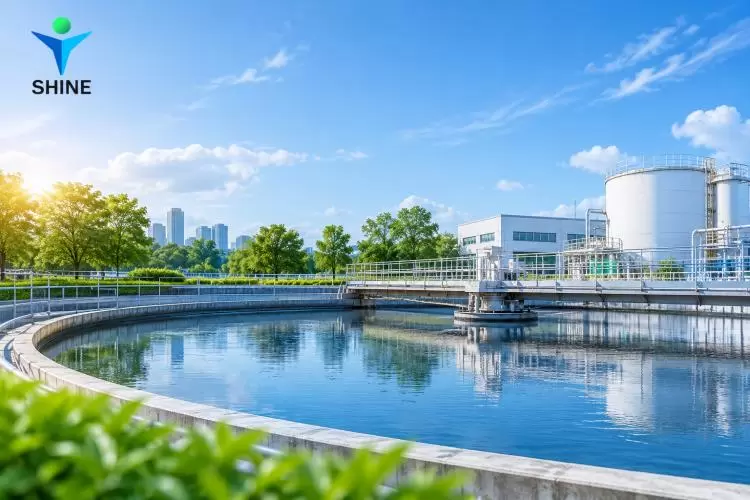
1. Why Wastewater Treatment Matters
Wastewater contains many substances that can harm the environment. These include human waste, organic matter, oils, chemicals, nutrients, and suspended solids. Without proper treatment, these pollutants can enter rivers, lakes, and groundwater. As a result, they can damage aquatic life and increase water pollution.
How Do Wastewater Treatment Plants Help Conserve Water Resources?
A wastewater treatment plant collects and treats wastewater before releasing or reusing it. This process protects natural water sources and reduces the need for fresh water.
Its main benefits include:
· Protecting freshwater: Treatment reduces pollutants entering rivers and lakes.
· Supporting water reuse: Treated water can serve industrial, agricultural, and municipal needs.
· Protecting ecosystems: Lower pollution levels help maintain healthy aquatic environments.
· Supporting public health: Proper treatment reduces harmful microorganisms and other contaminants.
· Reducing water shortages: Reclaimed water provides another source for communities and businesses.
In our view, wastewater treatment should form an important part of every long-term water conservation plan.
2. Understanding the Wastewater Treatment Process
A wastewater treatment process usually includes several stages. Each stage removes different types of pollutants. Together, these steps help produce treated water that meets specific quality requirements.
Primary Treatment: Removing Large Solids
Primary treatment uses physical methods to remove visible and suspended materials. Screens catch large objects, while grit chambers remove sand and small stones. Primary settling tanks then allow heavier solids to settle.
This stage removes a large portion of suspended solids and some organic material. However, the water still contains dissolved pollutants and microorganisms. Therefore, it needs further treatment.
Secondary Treatment: Breaking Down Organic Matter
Secondary treatment uses biological processes to remove biodegradable organic matter. Microorganisms consume organic pollutants and convert them into simpler substances.
Common methods include:
· Activated sludge systems
· Moving bed biofilm reactors (MBBR)
· Sequencing batch reactors (SBR)
· Biofilm filtration systems
Operators often monitor biochemical oxygen demand (BOD₅) and chemical oxygen demand (COD). These indicators help them evaluate treatment performance. Effective secondary treatment also reduces the organic load before final disinfection.
Tertiary Treatment: Improving Water Quality
Tertiary treatment provides additional purification after secondary treatment. It helps remove remaining suspended solids, nutrients, and other contaminants. Depending on the water's intended use, facilities may apply several technologies.
Common options include:
· Sand or multimedia filtration
· Activated carbon filtration
· Membrane filtration
· Nutrient removal
· UV or chemical disinfection
Advanced treatment may also include reverse osmosis and other specialized processes. The treatment target depends on local regulations and the planned reuse application.
3. How Treated Water Helps Conserve Freshwater
One of the biggest benefits of wastewater treatment is water reuse. Instead of sending all treated water back into rivers, facilities can redirect suitable water toward useful applications. This approach reduces freshwater demand and creates a more reliable local water supply.
Common Applications of Reclaimed Water
Depending on its quality, reclaimed water can support many activities:
Application | How Reclaimed Water Helps |
Agriculture | Irrigates crops and green spaces |
Industrial cooling | Reduces freshwater consumption |
Manufacturing | Supplies suitable process water |
Landscape irrigation | Waters parks and public gardens |
Groundwater recharge | Supports underground water reserves |
Urban cleaning | Supplies water for road cleaning |
For example, factories can reuse treated wastewater for cooling towers and equipment washing. Farmers can also use properly treated water for irrigation. These applications reduce pressure on rivers, lakes, and groundwater reserves.
Can Wastewater Treatment Support Drinking Water Supplies?
Yes, but drinking water reuse requires much stricter treatment and monitoring. Advanced treatment systems can remove microorganisms, dissolved substances, and other contaminants. Depending on local regulations, facilities may use membrane filtration, reverse osmosis, and advanced oxidation.
Some communities use indirect potable reuse through groundwater or surface water systems. Others apply direct potable reuse with advanced treatment and strict controls. However, ordinary treated wastewater does not automatically qualify as drinking water. Public health protection must always come first.
4. Why Disinfection Matters in Water and Wastewater Treatment
Removing solids and organic matter does not guarantee safe water. Treated water may still contain bacteria, viruses, and other microorganisms. Therefore, disinfection in water and wastewater treatment plays an important role in protecting public health.
Common disinfection technologies include:
· Chlorination: Uses chlorine-based chemicals to control harmful microorganisms.
· Ultraviolet (UV): Uses ultraviolet light to inactivate microorganisms.
· Ozonation: Uses ozone as a powerful oxidizing disinfectant.
· Other advanced methods: Combine different technologies to meet specific water quality targets.
Each method has different operating costs, maintenance needs, and treatment conditions. Operators should select equipment according to water quality, flow rate, and discharge requirements.
The Role of an On-site Sodium Hypochlorite Generator
Chlorination remains a practical choice for many wastewater treatment facilities. However, transporting and storing large quantities of chemical disinfectants can create safety and supply challenges.
An On-site Sodium Hypochlorite Generator offers another approach. It produces sodium hypochlorite at the treatment facility through saltwater electrolysis. Operators can then use the solution for controlled disinfection.
For municipal and industrial wastewater projects, this approach offers several practical benefits:
1. On-site production: Facilities produce disinfectant when they need it.
2. Reduced transportation: Operators can reduce deliveries of ready-made sodium hypochlorite.
3. Flexible operation: Production capacity can match daily chlorine demand.
4. Supply stability: Facilities gain greater control over their disinfectant supply.
5. Operational convenience: Automatic controls can support continuous dosing.
Shandong Shine Health focuses on on-site sodium hypochlorite generation equipment. We believe reliable disinfection should support the entire treatment process, not become an operational headache. Proper system sizing, chlorine output, dosing control, and maintenance all matter.
However, operators must select suitable chlorine doses through water quality testing. They should also monitor residual chlorine and meet local discharge limits. Good disinfection protects public health while helping wastewater facilities meet environmental requirements.
5. How Wastewater Treatment Protects Natural Ecosystems
Water conservation involves more than saving water for human use. Healthy rivers, lakes, wetlands, and groundwater systems also need protection. Poorly treated wastewater can introduce excessive nutrients and organic pollutants into natural environments.
For example, high nutrient levels can encourage excessive algae growth. When algae die and decompose, microorganisms consume dissolved oxygen. This process can create conditions that threaten fish and other aquatic life.
A properly designed treatment system helps control these risks. It removes pollutants before discharge and can reduce the environmental pressure on sensitive water bodies. Reclaimed water can also support wetlands, habitat restoration, and groundwater recharge.
What Happens to the Water After Wastewater Treatment?
The final destination depends on water quality, local demand, and environmental regulations. Most facilities follow one or more of these routes:
· Discharge treated water into rivers, lakes, or coastal waters.
· Send reclaimed water to industrial users.
· Supply suitable water for agricultural irrigation.
· Use treated water for parks and landscape maintenance.
· Recharge groundwater through approved systems.
· Send water for additional advanced treatment and reuse.
This is why treatment design should consider the final water use from the beginning. Different applications require different water quality standards.
6. Is Water Treatment the Same as Wastewater Treatment?
These two terms sound similar, but they describe different processes. Understanding the difference helps businesses choose the right equipment and treatment technology.
Comparison | Water Treatment | Wastewater Treatment |
Main purpose | Makes raw water suitable for use | Removes pollutants from used water |
Main input | Rivers, lakes, groundwater | Domestic and industrial wastewater |
Main concerns | Turbidity, minerals, microorganisms | Organic matter, solids, nutrients, pathogens |
Common processes | Filtration, coagulation, disinfection | Primary, secondary, tertiary treatment |
Final output | Water suitable for its intended use | Discharge-quality or reclaimed water |
In simple terms, water treatment prepares water for use. Wastewater treatment cleans water after people or industries use it. Both processes protect public health and support sustainable water management.
Does Wastewater Treatment Affect the Water?
Yes. Wastewater treatment changes water quality by removing pollutants and controlling microorganisms. However, treatment does not always remove every contaminant. The final quality depends on the treatment technology, operating conditions, and incoming wastewater. Therefore, regular testing remains essential.
7. Building a More Sustainable Water Future
As freshwater demand increases, wastewater treatment will become even more important. Communities need reliable water supplies, while industries must control their environmental impact. Reuse and recycling offer practical ways to address both challenges.
At Shandong Shine Health, we believe disinfection technology plays an important role in this development. A reliable On-site Sodium Hypochlorite Generator can support wastewater disinfection and improve chemical supply management. Meanwhile, suitable filtration and advanced treatment technologies help facilities produce water for different reuse applications.
We encourage wastewater operators to consider several factors when planning a treatment project:
· Daily wastewater flow rate (m³/day).
· Required effluent quality and discharge standards.
· Organic pollutant levels (BOD₅ and COD).
· Suspended solids and nutrient concentrations.
· Disinfection requirements and chlorine demand.
· Opportunities for treated water reuse.
· Energy consumption and operating costs.
Water conservation does not always mean finding new water sources. Sometimes, it means making better use of the water we already have. A well-designed wastewater treatment system helps turn that idea into daily practice.
Frequently Asked Questions
1. How do wastewater treatment plants help conserve water resources?
They remove pollutants, protect natural water sources, and produce reclaimed water. Industries, farms, and communities can reuse this water for suitable applications.
2. What is wastewater treatment in water management in Virginia (VA)?
In Virginia, wastewater treatment involves collecting and treating used water to meet applicable discharge or reuse requirements. The Virginia Department of Environmental Quality oversees relevant wastewater permits and environmental requirements.
3. Can treated wastewater be reused immediately?
Not always. Operators must confirm that treated water meets the quality standards for its intended use. Some applications require additional filtration or disinfection.
4. Why do wastewater plants need disinfection?
Disinfection controls harmful microorganisms that may remain after biological treatment. It helps protect public health and aquatic environments.
5. What is the role of chlorine in wastewater treatment?
Chlorine-based disinfectants help control microorganisms before treated water enters the environment or an approved reuse system. Operators must control chlorine dosage and residual levels.