

Is Hypochlorous Acid Safe for Animals?
Introduction: Why Animal Care Needs Effective Solutions
When it comes to animal care, ensuring the health and well-being of our pets, livestock, and other animals is always a top priority. One of the most effective, yet sometimes misunderstood, solutions is hypochlorous acid (HOCl). Many wonder, “Is hypochlorous acid safe for animals?” At Shandong Shine Health, we specialize in manufacturing high-quality HOCl generator machines, so we’re here to share our knowledge and shed some light on this important question.
Hypochlorous acid is naturally produced by the white blood cells of animals (and humans) as part of the immune system's defense mechanism against infections. But when it comes to using hypochlorous acid for animal care, what are the risks and benefits? Let’s dive into how this powerful solution is used safely in various animal care situations, from wound care to preventing microbial pathogens in cowsheds, sheepsheds, pigsties, and chickensheds.
What is Hypochlorous Acid (HOCl)?
Hypochlorous acid (HOCl) is a naturally occurring compound created when salt and water undergo electrolysis. It’s a safe, powerful disinfectant with a wide range of uses in animal care.
· Highly effective at killing microbial pathogens like bacteria and viruses, HOCl is often used in wound care, disinfecting surfaces, and sanitizing environments such as cowsheds, sheepsheds, and chickensheds.
· pH levels of hypochlorous acid are typically balanced to be safe for animals when used properly. Its acid solutions are gentle enough not to harm the skin or respiratory systems of animals.
Benefits of Hypochlorous Acid for Animals
There’s no doubt about it: hypochlorous acid has some amazing benefits for animal care. Here are some key reasons why you should consider it for your livestock or pets.
1. Effective Wound Care
When animals get injured, it's crucial to treat their wounds promptly. Hypochlorous acid is a fantastic choice for cleaning wounds because it helps:
· Promote healing: Its properties support faster recovery and reduce infection risk.
· Fight infection: By attacking microbial pathogens, it helps prevent wound infections.
· Gentle on the skin: Despite its potent disinfecting powers, HOCl is mild and safe for use on delicate animal skin.
In fact, HOCl is naturally produced by white blood cells during the immune response. So, it’s only natural that animals are already familiar with it!
2. Prevents Skin Irritations
Some cleaning and disinfecting products can cause skin irritations in animals, but hypochlorous acid doesn’t have that effect. It’s non-toxic and doesn’t leave harsh residues that might irritate the skin or eyes of your animals.
How Safe is Hypochlorous Acid for Animals?
Many pet owners and livestock farmers may ask, "Is hypochlorous acid safe for animals?" The answer is a resounding yes—when used correctly. It’s one of the safest, most effective disinfectants available. However, there are a few things to keep in mind:
1. Proper Dilution Is Key
While hypochlorous acid is highly effective at disinfecting and healing wounds, the correct concentration is crucial. Too strong a solution can cause irritation or even burns. This is where HOCl generator machines come in handy—they allow you to create the right concentration for safe use.
2. Monitoring pH Levels
The pH of hypochlorous acid is usually between 5 and 6, which is safe for animals. However, it’s always a good idea to test the solution to ensure it’s within the safe range.
3. Use in Proper Environments
Using hypochlorous acid in environments like cowsheds, sheepsheds, or pigsties can help maintain hygiene and prevent the spread of disease. It’s especially useful in spaces that are difficult to disinfect, as HOCl naturally breaks down microbial pathogens that can harm animals.
Using Hypochlorous Acid for Specific Animals
1. Livestock (Cows, Sheep, Pigs)
For large animals such as cows, sheep, and pigs, hypochlorous acid can be used to:
· Sanitize barns and animal housing: Keeping pigsheds, cowsheds, and sheepsheds clean is crucial for preventing disease outbreaks.
· Wound care: If an animal gets injured, applying hypochlorous acid to the wound will help fight infection and speed up the healing process.
· Prevent skin irritations: HOCl is also safe for skin care, so it can be applied to animals to prevent issues like irritation and chafing.
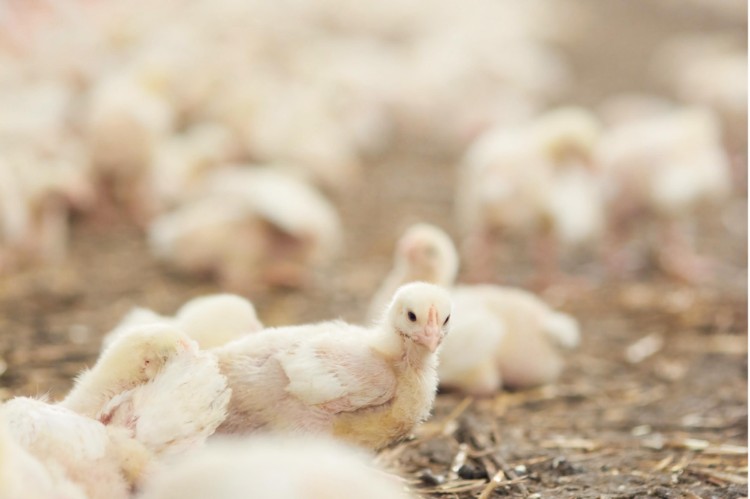
2. Poultry (Chickens, Ducks, Turkeys)
For poultry, hypochlorous acid can be used in:
· Disinfecting water sources: Clean water is essential for poultry, and HOCl can be added to drinking water to ensure it remains free from harmful microbes.
· Sanitizing coop environments: Keep the chickenshed clean and free of harmful bacteria by spraying hypochlorous acid in the coop.
How HOCl Generator Machines Make It Easier
When generating hypochlorous acid, using a HOCl Generator Machine simplifies the process. These machines convert salt and water into hypochlorous acid through a simple electrolysis process, allowing farmers and pet owners to create fresh HOCl solutions on-demand.
Here’s how they make animal care easier:
· Customize strength: You can control the pH levels and concentration of the solution, ensuring it’s perfect for your animals.
· Cost-effective: By generating hypochlorous acid in-house, you avoid the cost of buying pre-made solutions.
· Reliable: HOCl generator machines provide a steady supply of high-quality hypochlorous acid, making them a reliable choice for animal care.
Hypochlorous Acid in Animal Care: Precautions to Take
Even though hypochlorous acid is generally safe for animals, there are some important precautions to follow:
· Use in well-ventilated areas: If using in confined spaces like sheepsheds or cowsheds, make sure the area is properly ventilated to avoid respiratory issues.
· Avoid over-application: Too much disinfectant can irritate animals’ skin and eyes. Be mindful of the amount you use, especially on sensitive animals.
Conclusion: The Safe, Effective Solution for Animal Health
At Shandong Shine Health, we know that effective and safe solutions for animal care are vital. Hypochlorous acid is a powerful tool that can be used to care for wounds, disinfect environments, and prevent diseases in livestock and pets. With HOCl generator machines, generating hypochlorous acid is easy, and it provides a high-quality, cost-effective solution for animal care.
As long as you monitor pH levels, use proper dilution, and apply it in the right conditions, hypochlorous acid can be an invaluable tool for animal health and hygiene.