

Hypochlorous Acid Covid
Understanding Hypochlorous Acid Covid
We often ask ourselves one simple question. Can we fight invisible threats with something gentle yet powerful? From our experience, the answer points to hypochlorous acid hocl.
This substance exists naturally in our bodies. Our white blood cells produce it to destroy pathogens. It works through reactive oxygen species, which break down harmful microbes fast.
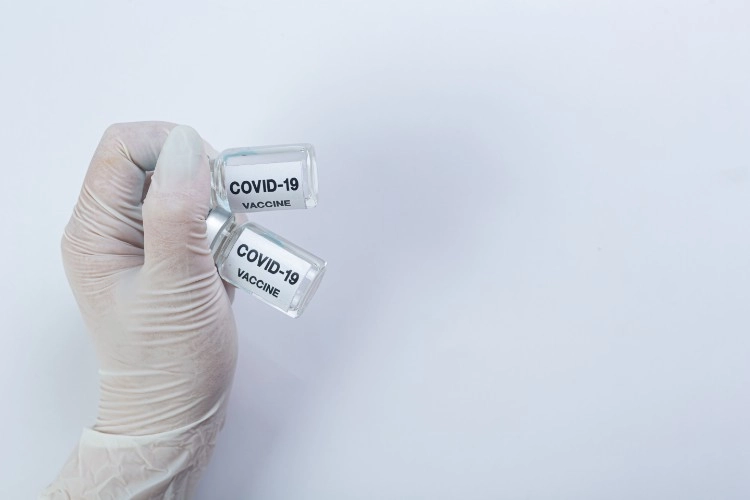
During the COVID era, many industries explored Hypochlorous Acid Covid applications. They wanted safer options than harsh chemicals like sodium hypochlorite. And honestly, we felt the same need. We wanted something effective but not aggressive.
Why HOCl Matters in Viral Control
How It Helps Reduce Viral Load
We have seen how properly prepared hypochlorous acid solutions can reduce viral load on surfaces and in air. This matters in high-risk areas like hospitals and transport hubs.
A well-balanced solution works at low concentrations such as 35 ppm, 50 ppm, or 60 ppm. These levels provide strong disinfection without damaging surfaces.
Higher concentrations like 200 ppm or even 500 ppm serve heavy-duty cleaning needs. However, we always match the ppm level to the task.
Backed by Global Awareness
Organizations like the World Health Organization highlight the importance of effective disinfection. They emphasize reducing transmission through surface hygiene.
While HOCl is not a cure, it plays a key role in environmental control. That distinction matters. We focus on prevention, not treatment.
What Makes Hypochlorous Acid Unique
Natural Yet Powerful Chemistry
We love HOCl because it feels like nature’s own disinfectant. It forms during immune responses and attacks pathogens quickly.
Unlike sodium hypochlorite, it does not release strong odors or irritate skin easily. That makes it suitable for frequent use.
Key Benefits at a Glance
Fast action against viruses and bacteria
Works at low parts per million ppm levels
Gentle on skin and surfaces
Leaves minimal residue
Suitable for sensitive environments
This balance makes it stand out in modern sanitation.
Choosing the Right ppm Level
How to Calculate ppm
Many users ask us how to calculate ppm. The formula stays simple:
ppm = (solute ÷ solution) × 1,000,000
For example:
1 ml in 1 liter ≈ 1000 ppm
We always recommend precise measurement tools. Accuracy ensures both safety and performance.
Recommended Ranges
We often guide users with these ranges:
35 ppm – 60 ppm → light sanitation, skin-safe use
50 ppm – 200 ppm → general disinfection
200 ppm – 500 ppm → heavy contamination zones
Each range serves a purpose. Using too much does not always mean better results.
Applications During COVID Era
Surface and Air Disinfection
We saw huge demand during the pandemic. Facilities needed quick and safe solutions. HOCl stepped in as a practical option.
It worked well on:
medical devices
door handles
public transport areas
office equipment
When used properly, it helped maintain cleaner environments.
Medical and Healthcare Use
Hospitals explored hypochlorous acid generating systems. These systems produce fresh solutions on-site.
This reduces storage risks and maintains effectiveness. Many healthcare teams preferred freshly generated hypochlorous acid for critical tasks.
Safety and Regulatory Perspective
What Authorities Say
Regulatory bodies like the Food and Drug Administration evaluate disinfectants carefully. They focus on safety, effectiveness, and proper labeling.
HOCl-based products often fall under disinfectant categories. However, approval depends on concentration and intended use.
Safe Usage Tips
We always follow these practical rules:
Store solutions away from sunlight
Use within recommended shelf life
Avoid mixing with other chemicals
Test ppm levels regularly
These habits keep both users and environments safe.
Beyond COVID: Broader Impact
Use Against Other Viruses
HOCl does not stop at COVID-related applications. Research and field use show effectiveness against viruses like avian influenza.
Its broad-spectrum action makes it useful in agriculture, healthcare, and public sanitation.
Role in Acute Respiratory Protection
Cleaner environments reduce exposure risks. This supports prevention of acute respiratory infections.
We believe prevention always beats reaction. A clean surface today prevents problems tomorrow.
Clinical Insights and Real-World Use
What Clinical Study Trends Show
Many clinical study observations highlight HOCl’s rapid action. It disrupts microbial membranes within seconds.
We have seen users gain confidence quickly. They notice fewer odors and cleaner surfaces. That immediate feedback matters.
Practical Observations
From our daily work, we noticed:
Users prefer mild smell solutions
Staff compliance improves with safer disinfectants
Equipment lasts longer with non-corrosive liquids
These small wins add up over time.
The Future of Hypochlorous Acid
Innovation in Generation Technology
Modern systems continue to improve hypochlorous acid generating efficiency. Compact devices now produce stable solutions with consistent ppm.
We see a future where on-site production becomes standard. It reduces logistics and improves freshness.
Sustainability and Cost Efficiency
We also care about sustainability. HOCl production uses simple inputs:
water
salt
electricity
That simplicity lowers environmental impact. It also reduces long-term costs.
Final Thoughts: Our Honest Take
We have worked with disinfectants for years. Some feel harsh. Others feel weak. HOCl hits a rare middle ground.
During the COVID era, it proved its value. It helped reduce viral load while staying gentle. That balance still matters today.
We believe the future of hygiene leans toward solutions like this. Smart, safe, and efficient. And honestly, that feels like the right direction.