

Pig Farm Disinfection Pool Secrets
Pig Farm Disinfection Pool- hoclshine
Pig farms fight germs every single day. Mud, manure, boots, truck tires, and dirty tools carry harmful bacteria and viruses into barns. One careless step can spread disease across the whole farm. We learned this lesson the hard way after seeing respiratory syndrome outbreaks destroy production efficiency and animal health.
That is why a Pig Farm Disinfection Pool matters so much. It creates a barrier between contamination and clean farming zones. Today, many farms use hypochlorous acid (HOCl) as the main disinfectant agent because it works fast and leaves fewer harsh residues.
Modern farms also prefer systems that use salt and water to create disinfectant solutions onsite. This process lowers storage risks and improves sustainability. Better yet, farmers reduce dependence on dangerous chemical transport and unstable products with short shelf lives.
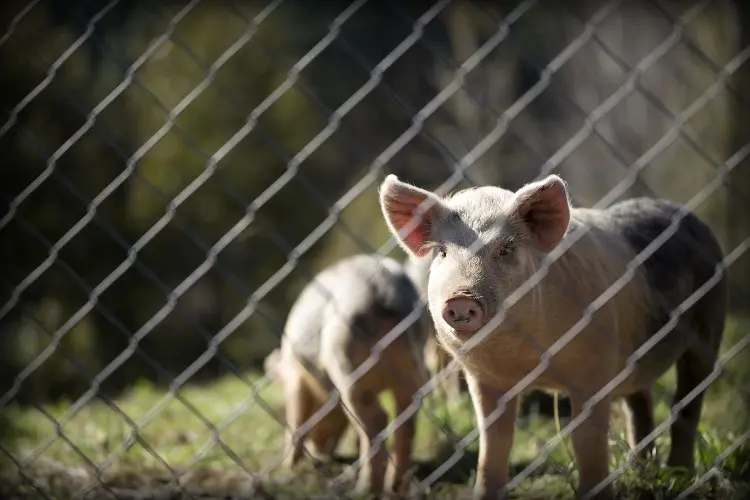
What Is a Pig Farm Disinfection Pool?
A Pig Farm Disinfection Pool sits at the entrance of barns, feed zones, and transport roads. Workers and vehicles pass through it before entering sensitive areas. The pool contains a disinfectant solution that kills pathogens on boots, wheels, and tools.
Without this barrier, farms face constant infection pressure. Germs can move quickly from one building to another. Even healthy-looking pigs may carry disease-causing organisms.
We often recommend these locations for installation:
Barn entrances
Vehicle access roads
Loading stations
Waste treatment areas
Feed storage zones
Some farms also add spray tunnels beside the pool. They use hypochlorous acid sprays for complete coverage. This approach improves hygiene during disease outbreaks.
Why Hypochlorous Acid Works So Well
The Science Behind HOCl
Hypochlorous acid forms naturally inside our bodies. In fact, white blood cells produce it during the immune response. The body uses it to attack harmful bacteria and viruses.
That detail always amazes farmers during demonstrations. Nature already designed one of the best disinfectants.
HOCl attacks the pathogen cell wall quickly. Once the wall breaks, microorganisms die rapidly. Unlike many harsh chemicals, HOCl works at low parts per million concentrations.
Many studies also show strong performance against:
Salmonella
E. coli
Swine fever pathogens
Respiratory syndrome organisms
Mold and fungi
The solution works fast. Many applications need only 30 minutes or less for proper contact time.
Cleaner and Safer Than Traditional Chemicals
Traditional sodium hypochlorite products can irritate skin and lungs. Poor ventilation also increases risks from chlorine gas. Workers often complain about strong smells and breathing discomfort.
HOCl creates a different experience. The odor stays mild. Workers handle it more comfortably during daily cleaning tasks.
That matters in health care environments, too. Hospitals and sanitation teams often choose HOCl for sensitive spaces because it supports safer cleaning routines.
How Farms Produce HOCl Onsite
Many pig farms now use an HOCl Generator to create disinfectant onsite. The system converts salt and water into hypochlorous acid through electrolysis.
The process looks simple, yet the results are powerful.
Basic production steps include:
Add water and salt
Start electrolysis
Generate HOCl solution
Store in clean containers
Use in pools and spraying systems
This method helps farms avoid transporting hazardous chemicals. It also improves storage safety compared with concentrated sodium hypochlorite.
Farm managers like another advantage too: lower operational costs.
Recommended Concentrations for Farm Use
Different applications need different strengths. Using the right concentration improves effectiveness while reducing waste.
Environmental and Surface Disinfection
For floors, walls, and equipment:
ApplicationRecommended ConcentrationBarn floors50–100 ppmHeavy contamination200 ppmFeeding tools50–80 ppmMetal surfaces50–80 ppm
Allow surfaces to stay wet for several minutes before rinsing if necessary.
Footbath and Pool Disinfection
Disinfection pools usually operate between:
50–100 ppm for daily use
150–200 ppm during outbreaks
Workers should replace the dirty solution regularly. Organic waste lowers disinfectant performance quickly.
A muddy pool becomes a “germ soup.” Nobody wants that.
Hand and Equipment Sanitizing
Farm workers also use HOCl for:
Hand sanitizing
Gloves
Protective clothing
Small tools
Transport crates
Recommended concentrations range from 30–50 ppm for skin contact uses.
Pig Farm Biosecurity Starts at the Gate
Reducing Bacterial Load
Every truck entering a farm increases contamination risks. Tires pick up manure, wastewater, and harmful microorganisms from roads and slaughterhouses.
A properly maintained Pig Farm Disinfection Pool reduces bacterial load before contamination spreads inside.
We usually suggest these daily practices:
Replace the dirty solution often
Remove mud before disinfection
Monitor ppm levels carefully
Clean pools weekly
Keep contact time consistent
Good habits matter more than fancy equipment.
Supporting Water Treatment Systems
Some farms integrate disinfection pools with larger water treatment programs. They use the same disinfectant technology for:
Drinking systems
Pipe cleaning
Wastewater control
Odor reduction
This strategy simplifies farm management while improving hygiene consistency.
Shelf Life and Storage Tips
HOCl has a shorter shelf life than many harsh chemicals. Light, heat, and air exposure reduce activity over time.
That sounds annoying at first. Yet a fresh solution performs far better than an old chemical stock.
We recommend these storage tips:
Keep containers sealed
Avoid direct sunlight
Store below 25°C
Use opaque containers
Produce fresh batches regularly
On-site production solves many storage headaches. Farms create only what they need.
That approach also reduces waste.
Environmental Benefits Farmers Appreciate
Better Sustainability
Farm owners now face stricter environmental rules. Agencies like the Environmental Protection Agency continue pushing safer sanitation practices.
HOCl supports those goals because it breaks down into simple substances after use. It leaves fewer harmful residues than many traditional disinfectants.
That matters for:
Soil protection
Wastewater control
Worker safety
Animal welfare
Air quality
Cleaner operations also improve public trust.
Lower Chemical Risks
Strong disinfectants sometimes damage equipment and irritate workers. Harsh exposure can create stress for both animals and staff.
HOCl helps reduce those issues. Many farms report better working conditions after switching systems.
One farm manager joked with us, “The pigs smell better than my pickup truck now.”
Honestly, he was not wrong.
Choosing the Right Disinfectant Agent
Not every disinfectant fits pig farming. Some products lose effectiveness when organic matter builds up. Others create strong fumes or corrosive residue.
Before choosing a disinfectant agent, farms should evaluate:
Safety
Cost
Contact time
Stability
Ease of production
Environmental impact
HOCl performs well across all categories. That explains why interest keeps growing worldwide.
It also supports broader use in:
Veterinary cleaning
Health care sanitation
Food processing
Care products
Surface hygiene systems
Final Thoughts
Pig farms cannot afford weak biosecurity. One outbreak can destroy profits and animal health within weeks. A reliable Pig Farm Disinfection Pool helps stop contamination before it enters critical zones.
We believe hypochlorous acid offers one of the smartest solutions available today. It works fast, supports worker safety, and reduces environmental pressure. Better still, farms can produce it on-site using simple ingredients like salt and water.
Good disinfection does not need to feel complicated. Clean pools, correct ppm levels, and consistent routines make a huge difference.
Healthy pigs grow better. Workers feel safer. Farms run smoother. That sounds like a win for everybody.