

On-Site Hypochlorite Made Easy
Why the On-Site Low-Strength Sodium Hypochlorite Generator Is Changing the Game
We used to rely on delivered chemicals. It felt like waiting for a pizza that might never arrive. Costs kept rising, and safety risks never disappeared.
That’s why we embraced the On-Site Low-Strength Sodium Hypochlorite Generator. It lets us produce sodium hypochlorite exactly when we need it. No delays, no surprises, and no aging chemicals.
Even better, the system keeps the concentration around 8000 ppm. This level works well for most water disinfection tasks. It balances strength and safety in a very practical way.
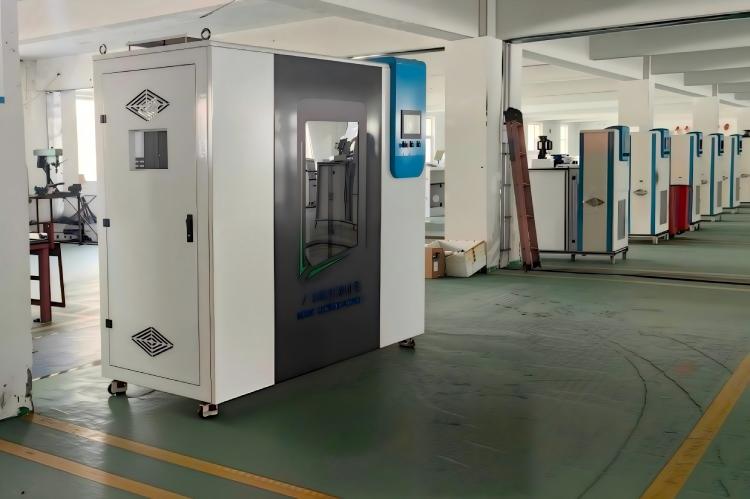
How Site Sodium Hypochlorite Generation Works
The Role of Electrolytic Cells
At the heart of the system, we use electrolytic cells. These cells convert salt (NaCl) and water into active chlorine.
The process feels simple but delivers powerful results. Electricity drives the reaction, and we get stable hypochlorite solutions in minutes.
Here’s a simplified reaction:
NaCl + H₂O + electricity → NaOCl + H₂
We control voltage, flow, and temperature. That ensures stable output and long equipment life.
From Salt to Sodium Hypochlorite Solution
We start with a brine solution. Then we feed it into the system. The unit converts it into a sodium hypochlorite solution at a controlled concentration.
Typical parameters we monitor:
Concentration: 6000–8000 ppm
pH: 8–9
Temperature: 15–30°C
Current density: optimized for efficiency
This level of control keeps the system reliable every day.
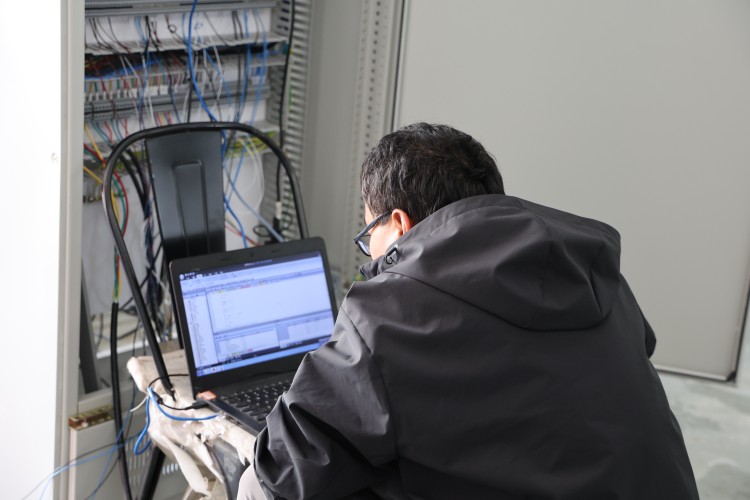
Key Components of Hypochlorite Generation OSHG
Smart System Design
We design every system to work as a team. Each part supports the others.
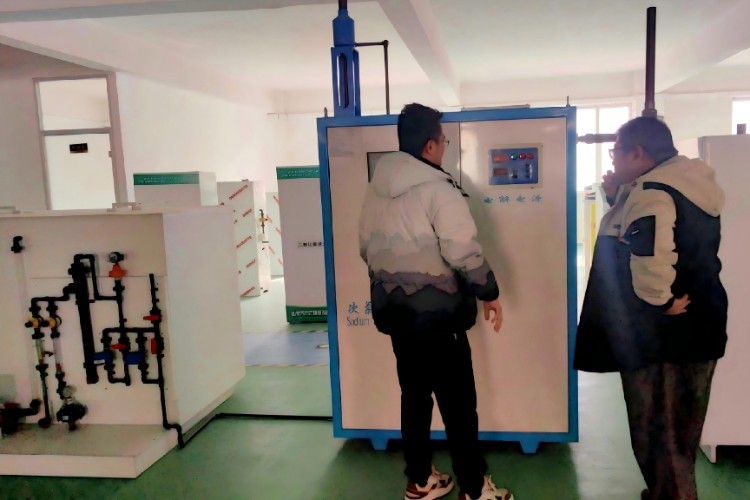
Main components include:
Brine tank for salt mixing
Electrolytic module with coated electrodes
Power supply unit
Control panel with PLC
Dosing system
Storage tanks for the final solution
When these parts work together, the system runs smoothly.
Storage Tanks That Actually Matter
Many people overlook storage tanks. We never do. They play a key role in stability and safety.
We recommend tanks with:
UV resistance
Corrosion protection
Level sensors
Ventilation design
A good tank setup prevents degradation and keeps solution quality stable.
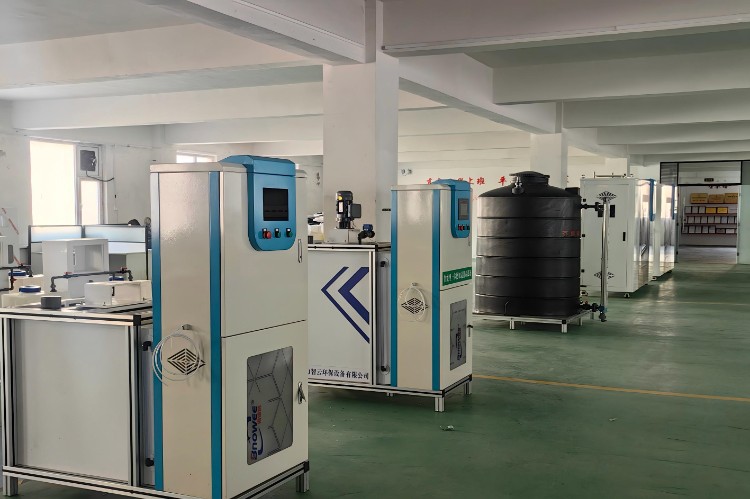
Benefits of On-Site Hypochlorite Solutions
Lower Costs Over Time
Buying chemicals feels easy at first. But costs pile up quickly. Transport, storage, and handling all add hidden expenses.
With on-site production, we reduce those costs:
No transport fees
Lower chemical purchase cost
Reduced storage requirements
Over time, the savings become very clear.
Improved Safety for Teams
High-strength chemicals create risks. Spills, leaks, and fumes can harm workers.
Our system produces lower-strength solutions. This reduces hazards while maintaining strong disinfection power.
Fresh and Reliable Output
Stored chemicals degrade. Active chlorine drops over time.
On-site generation solves that problem. We always use fresh hypochlorite solutions, so performance stays consistent.
Applications That Benefit the Most
Water Disinfection Systems
Clean water is essential. We use our systems in drinking water plants and wastewater facilities.
The 8000 ppm solution gets diluted before use. This ensures safe and effective treatment.
Food Processing and Hygiene
Food safety rules are strict. We use sodium hypochlorite solution to clean surfaces and equipment.
It helps reduce bacteria without leaving harmful residues.
Industrial Cooling and Circulation
Cooling systems often face biofilm problems. Our solution controls microbial growth and improves efficiency.
This also extends equipment lifespan.
Healthcare and Public Spaces
Hospitals need constant disinfection. On-site systems provide a reliable supply during critical moments.
That reliability can make a real difference.
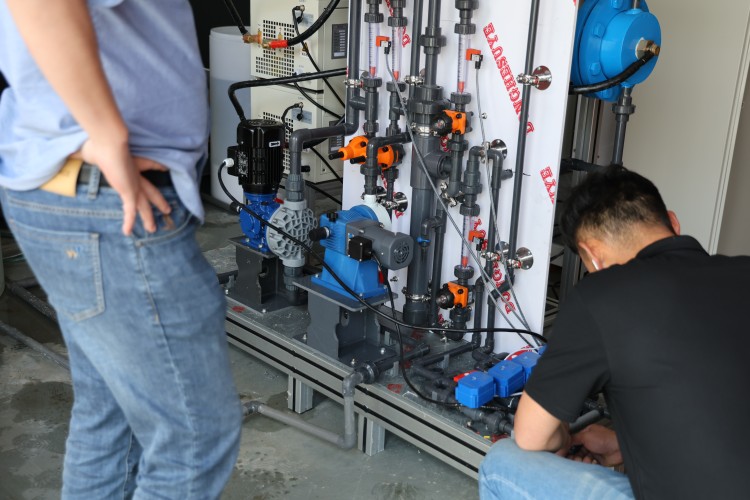
Operational Tips for Maximum Efficiency
Use High-Quality Salt
Not all salt works the same. Impurities damage electrodes and reduce efficiency.
We always recommend high-purity salt for the best results.
Monitor Key Parameters Daily
We track a few important values:
Chlorine concentration (ppm)
pH level
Flow rate
Temperature
Stable numbers mean stable performance.
Keep Maintenance Simple
Routine care keeps the system running well:
Clean electrodes regularly
Check pumps and valves
Inspect tanks and connections
Small steps prevent costly downtime.
Comparing Traditional vs On-Site Systems
Traditional Chemical Supply
High logistics cost
Risky transport
Chemical degradation
Supplier dependence
On-Site Generation
Lower operating cost
Safer handling
Fresh production
Full control
From our experience, the difference feels like night and day.
Why We Trust This Technology
We didn’t choose this path by accident. We saw problems in real projects. Delays, risks, and rising costs pushed us to rethink everything.
Then we discovered hypochlorite generation OSHG. It gave us control, flexibility, and peace of mind.
Now, we help clients adopt the same approach. And honestly, we enjoy seeing that “aha” moment when it clicks.
Final Thoughts: Simple, Smart, Reliable
On-site systems change how we think about disinfection. They replace uncertainty with control.
By using an On-Site Low-Strength Sodium Hypochlorite Generator, we produce safe and effective solutions anytime. The 8000 ppm range supports many industries without added risk.
If you want efficiency, safety, and independence, this solution makes sense. We’ve seen it work, and we continue to improve it every day.