

Smart Pig Farm Disinfectant Guide
We run pig farms with mud on our boots and coffee in hand. We know the smell of trouble. When disease spreads, panic hits fast. So we rely on a strong Pig Farm Disinfectant plan that works every day, not just during audits.
This guide shares what we learned the hard way. We compare active ingredients, talk about 200 PPM levels, and explain real cleaning and disinfection steps. Grab a notebook. Let’s protect our herd.
Why Pig Farms Need Real Disinfectants
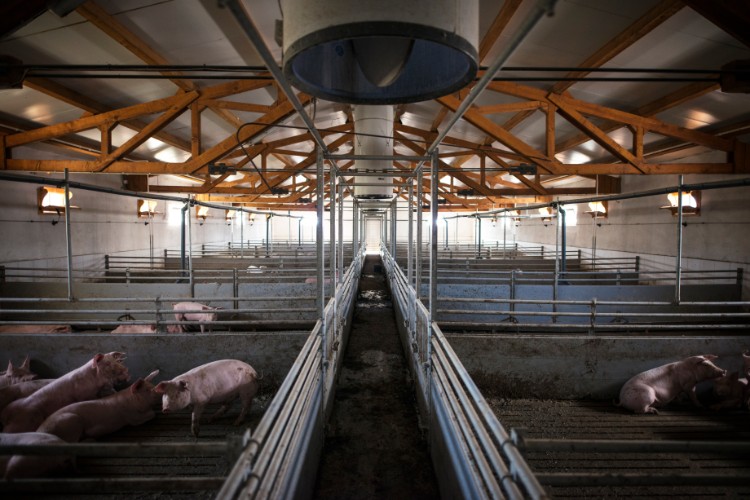
Pig farms face constant germ pressure. Manure, feed dust, and muddy boots carry microorganisms everywhere. Even clean-looking barns hide trouble.
When we skip sanitation, disease spreads fast. Pathogens move through the water system lines and feeders. Soon, we see coughing pigs and lost growth.
A good disinfectant must meet three goals:
Broad-spectrum action
- Works with organic material present
Safe for workers and animals
Without those traits, we waste money and time.
The Hidden Threat of Organic Matter
Organic matter blocks disinfectants. Manure, feed dust, and soil protect bacteria. Even strong chlorine bleach fails when surfaces stay dirty.
We always pre-clean with warm water. Then we scrub feeders and floors. Only after that do we apply disinfectant.
This step makes killing pathogenic germs easier. It also lowers chemical use.
Disease Pressure in Modern Pig Farms
Today’s pig farms run dense populations. High levels of animals increase infection risk. One sick pig can infect many.
Common problems include:
E. coli
Salmonella
PRRS virus carriers
Foot rot bacteria
A strong cleaning and disinfection plan cuts these risks. It also improves feed conversion and profit.
Types of Pig Farm Disinfectant
Many chemicals fight farm pathogens. Each has strengths and weaknesses. We test them often and share honest results.
1. Chlorine Bleach and Sodium Hypochlorite
Chlorine bleach costs little. It kills bacteria fast. Sodium hypochlorite works well in water system sanitation.
But bleach has issues:
Weak against organic material
Corrosive on metal
Strong smell
We use it on empty barns only.
2. Hydrogen Peroxide Solutions
Hydrogen peroxide oxidizes microbes. It works on viruses and bacteria. Some formulas include acids for extra power.
Pros:
Broad spectrum
Less smell
Good for surfaces
Cons:
Higher cost
Needs correct parts per million ppm levels
Still, we like it for equipment sanitation.
3. Quaternary Ammonium Compounds
Quaternary ammonium disinfectants stick to surfaces. They keep working longer. Many farms use them for daily spraying.
However, they fail in heavily contaminated barns. Organic material reduces activity. Some microbes resist them.
We use them after deep cleaning.
4. Hypochlorous-Based Solutions
Hypochlorous acid occurs in white blood cells. It fights infection naturally. When produced at 200 PPM, it kills bacteria fast.
We generate it on-site using Hypochlorous Acid Generators from Shandong Shine Health Co., Ltd..
Fresh solution stays stable for 24 hours and up to 30 days in sealed tanks.
Benefits we see:
Highly effective at low levels
Works in water system lines
Less corrosion than bleach
We sleep better knowing pigs stay safe.
How 200 PPM Makes a Difference
Concentration matters. Too weak means germs survive. Too strong wastes money.
We often target 200 PPM. That level balances safety and power. It kills bacteria, viruses, and fungi on clean surfaces.
We measure with simple test strips. Always check before spraying.
Understanding Parts Per Million ppm
Parts per million ppm sounds fancy. It just means chemical strength.
Example:
200 PPM = 200 mg per liter
We train workers with easy charts. No guesswork. No overuse.
Step-by-Step Cleaning and Disinfection
We follow a routine that never fails. It takes time, but saves pigs.
Step 1 – Dry Cleaning
First, remove manure and feed dust. Use shovels and brooms. Less dirt means better chemical action.
Step 2 – Wash With Pressure Washer
Next, spray surfaces with a pressure washer. Warm water loosens grease and mud. Pay attention to corners and drinkers.
Step 3 – Apply Detergent
We scrub floors and walls with soap. This removes organic matter and biofilm. Then we rinse again.
Step 4 – Apply Disinfectant
Finally, we spray disinfectant at 200 PPM. Keep surfaces wet for 10-15 minutes. That contact time kills bacteria.
We ventilate barns before pigs return. Safety first.
Tips for Heavily Contaminated Barns
Sometimes barns look like war zones. Mud, blood, and manure coat every surface.
In that case:
Repeat washing twice
Use hot water if possible
Increase contact time
Check hidden corners
Never rush this step. Pathogens hide well.
Disinfecting the Farm Water System
Water lines carry disease silently. Biofilm grows inside pipes. Pigs drink germs every day.
We sanitize water system lines monthly. We flush pipes with disinfectant at safe levels. Then we rinse with clean water.
Benefits include:
Cleaner drinkers
Better pig growth
Lower medicine use
A simple step brings big results.
Signs Your Water System Needs Cleaning
Watch for these clues:
Slimy drinker nipples
Bad smell in the water
Slow pig growth
High diarrhea rates
If you see them, clean lines fast.
Choosing Active Ingredients Wisely
Every farm has unique needs. Climate, herd size, and disease history matter. We compare active ingredients before buying.
Checklist we use:
Broad-spectrum power
Safe on metal and plastic
Works with organic material
Cost per liter
Worker safety
We test small batches first. Then we scale up.
Safety for Workers and Animals
Strong disinfectants protect pigs but harm people. We always wear gloves and masks. Eye protection saves tears later.
We label storage tanks clearly. We train workers on dilution rules. Safety meetings feel boring, but they prevent accidents.
Healthy workers keep pigs healthy, too.
Common Mistakes We Made
We learned from painful errors:
Spraying before cleaning
Wrong ppm levels
Ignoring water lines
Mixing chemicals
One mistake killed beneficial microbes in manure pits. The smell was legendary. We laugh now, but we learned fast.
Our Real-World Results
After improving sanitation, we saw big changes:
Lower pig mortality
Faster weight gain
Less antibiotic use
Cleaner barns
We also saved labor time. Workers trust the process. Pigs look happier, and honestly, so do we.
Final Thoughts From the Barn
Pig farm life never feels easy. Mud sticks to boots, and worries stick to our minds. Yet a strong disinfectant plan brings calm.
Choose a product with broad-spectrum action. Clean first, then disinfect. Check ppm levels and stay consistent.
With discipline and humor, we keep pig farms safe. And maybe, just maybe, we smell better too.