

Livestock Trailer Disinfectant Guide
Transporting animals is serious business. A livestock trailer carries more than cattle or pigs. It carries bacteria, viruses, and risk. Therefore, strong cleaning and disinfection practices protect animal health and farm profits.
We work with farms that want safe transport and fast turnaround. Over the years, we have seen how the right Livestock Trailer Disinfectant changes everything. It reduces disease pressure and gives peace of mind. More importantly, it keeps operations moving 24 hours a day.
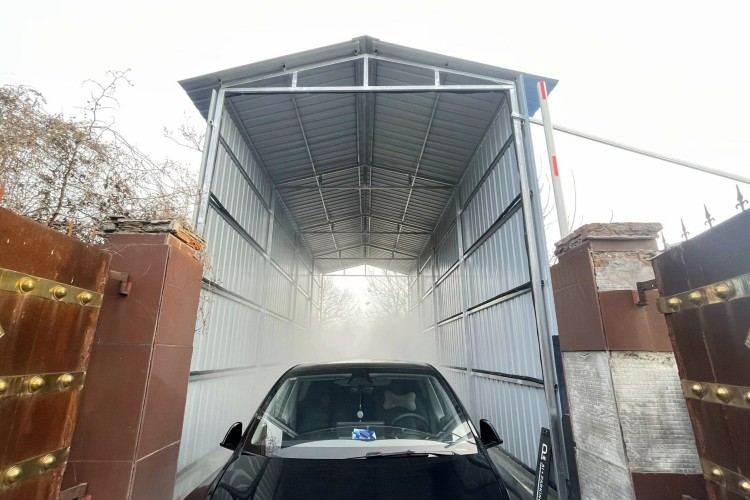
Why Livestock Trailers Need Serious Disinfection
A trailer looks simple. However, it hides cracks, joints, and corners full of manure and moisture. These areas create a perfect home for pathogens.
When farmers move animals between farms or markets, they also move microbes. Without proper cleaning and disinfection, trailers become disease highways. That risk grows during hot or wet seasons.
We always remind clients of three facts:
Organic matter protects bacteria
Moisture supports growth
Time multiplies contamination
Within 24 hours, bacteria counts can explode. Therefore, we must act fast and disinfect properly.
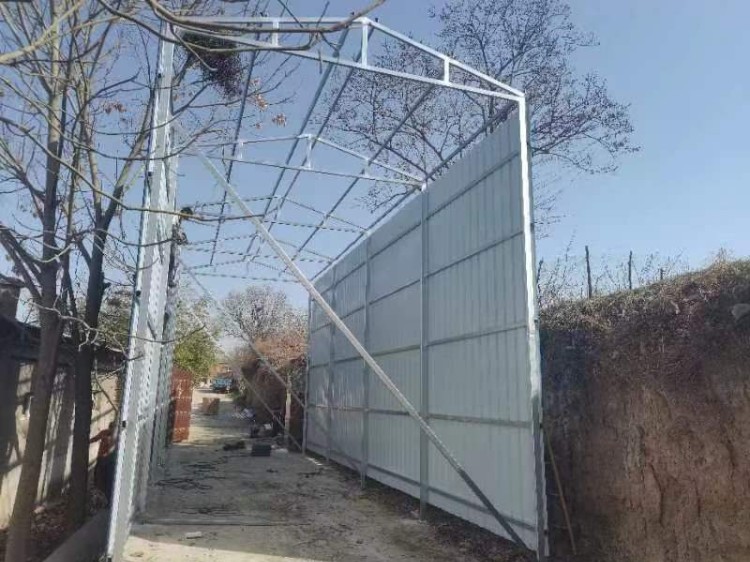
The Power of Hypochlorous Acid HOCl
Hypochlorous acid, HOCl, forms naturally in white blood cells. It fights pathogens inside our bodies. That same chemistry now protects livestock transport.
Unlike harsh chlorine bleach, HOCl works at low concentrations. For example, 50-80 PPM (parts per million ppm) delivers strong microbial reduction. At the same time, it remains gentle on metal surfaces and equipment.
We love this balance. It kills germs, yet it does not damage trailers. That matters when trailers cost thousands of dollars.
What Does 50-80 PPM Mean?
PPM stands for parts per million ppm. It measures how much active substance exists in water.
50-80 PPM = 50-80 parts disinfectant per 1,000,000 parts solution
It offers strong oxidation power
It supports effective cleaning and disinfection
This level works well for livestock trailers. It reduces bacteria, viruses, and fungi quickly.
Fast Action Within 24 Hours
Time matters in farming. We often hear, “We need the trailer back in service today.”
At 50-80 PPM, hypochlorous acid HOCl begins working immediately. It disrupts cell walls and proteins. Within minutes, pathogen levels drop sharply.
When applied correctly:
Contact time: 5–10 minutes
Surface remains wet during treatment
No heavy rinsing required
As a result, farms can return to operation within 24 hours.
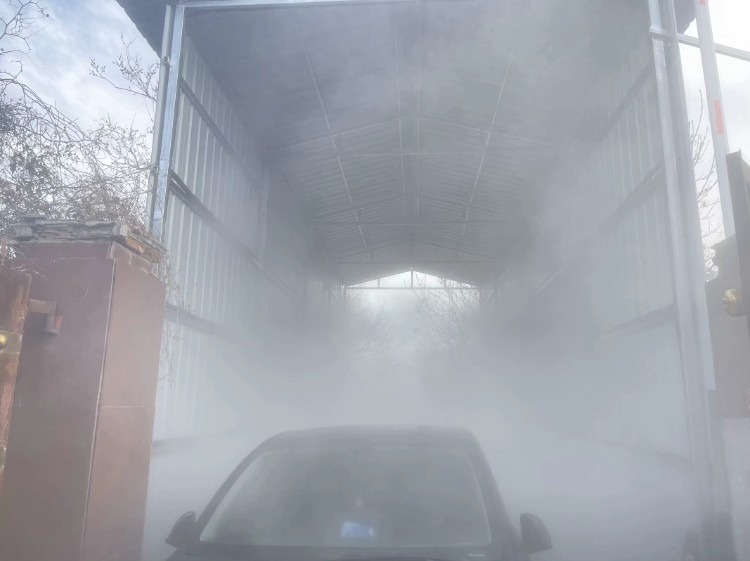
Cleaning and Disinfection: Step-by-Step
Disinfection never replaces cleaning. First, we remove dirt. Then, we apply the disinfectant.
Here is the process we recommend:
Remove manure and bedding
Pressure wash with water
Allow partial drying
Apply the 50-80 PPM solution evenly
Maintain proper contact time
This method ensures effective cleaning and disinfection.
Focus on High-Risk Zones
Not all trailer areas carry equal risk. Some spots demand extra attention.
Floor grooves
Side panel joints
Drainage points
Loading gates
Tire contact areas
We advise spraying from top to bottom. Gravity helps distribute the solution. That simple trick improves coverage without extra labor.
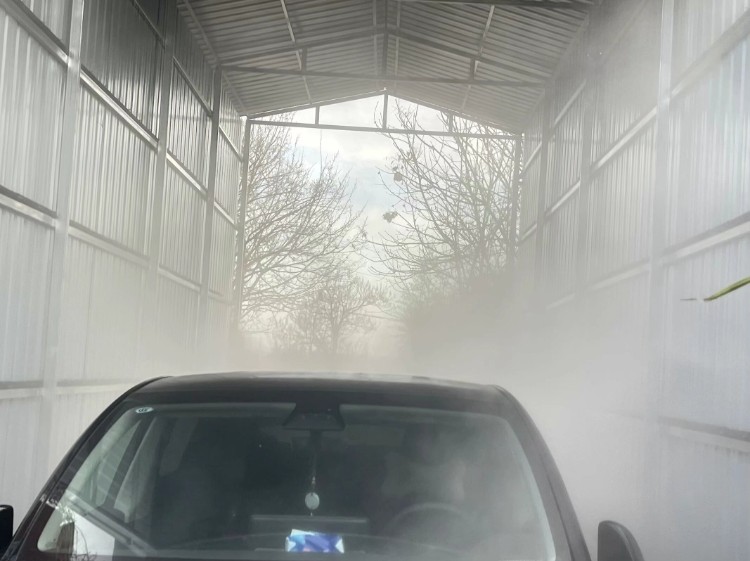
Long-Lasting Protection Up to 30 Days
Biosecurity does not end after one spray. Farms often ask how long protection lasts.
While no disinfectant creates a magic shield, proper treatment reduces contamination cycles. With routine schedules, trailers remain protected between loads.
We suggest:
Deep disinfection after each transport
Full inspection every 30 days
Routine microbial monitoring
By maintaining this 30-day cycle, farms control risk more effectively. Consistency wins.
Why Consistency Beats Occasional Cleaning
Many farms are cleaned only when problems appear. That approach costs more in the long term.
Instead, routine cleaning and disinfection:
Reduce veterinary expenses
Lower mortality rates
Protect the herd's reputation
Support compliance with regulations
When we see farms adopt a 30-day inspection plan, disease outbreaks decline noticeably.
Benefits of On-Site Production
Producing disinfectant on site offers major advantages. Fresh solution works better. It also reduces storage hazards.
A modern Hypochlorous Acid Generator creates a stable 50-80 PPM solution using salt and water. That simplicity surprises many clients.
We often hear, “That’s it? Just salt and water?” Yes. Science does the rest.
Cost and Safety Advantages
On-site production:
Reduces chemical transport costs
Avoids hazardous storage
Produces fresh solution 24 hours a day
Supports environmental sustainability
Freshly generated solution performs better than aged stock. That difference matters in livestock biosecurity.
We design systems to operate continuously. Therefore, farms can generate solution any time. No waiting. No shortages.
Environmental and Equipment Safety
Metal trailers face corrosion risks. Strong chemicals shorten equipment life. That means higher capital costs.
However, hypochlorous acid HOCl at 50-80 PPM shows low corrosivity. It protects steel, aluminum, and rubber components better than bleach.
In addition:
It leaves minimal residue
It breaks down into salt and water
It reduces chemical odor
Drivers appreciate that last point. No one enjoys the smell of harsh chlorine at 5 a.m.
Worker-Friendly Solution
Farm workers handle disinfectant daily. Safety matters deeply.
At recommended parts per million ppm levels:
Skin irritation risk remains low
No strong fumes accumulate
Protective gear requirements remain minimal
Of course, we still advise gloves and eye protection. Good habits prevent accidents.
Real Farm Results and Field Experience
We have visited many farms. Some faced repeated infections linked to transport.
After switching to structured cleaning and disinfection using a 50-80 PPM solution, they noticed improvements within weeks. Infection rates dropped. Mortality decreased. Confidence returned.
One farmer joked, “My trailer looks cleaner than my kitchen.” We laughed, but he was right.
Biosecurity does not need drama. It needs discipline.
Common Mistakes to Avoid
Even the best Livestock Trailer Disinfectant fails if misused. We often see preventable errors.
Avoid these mistakes:
Spraying over heavy manure
Reducing concentration below 50-80 PPM
Ignoring contact time
Skipping 30-day inspections
Storing the solution for too long
Small shortcuts create big risks. Therefore, we encourage clear standard operating procedures.
Monitoring and Record Keeping
Smart farms document everything.
Date of cleaning
Concentration used
Contact time
Trailer ID
Operator name
These records support audits and insurance claims. They also help identify patterns if issues arise.
Building a Strong Biosecurity Culture
Equipment alone does not solve problems. People make the difference.
We encourage farms to:
Train drivers regularly
Review protocols every 30 days
Post clear cleaning charts
Encourage accountability
When teams understand the “why,” compliance improves, and they stop seeing disinfection as extra work. Instead, they see it as protection.
We feel proud when farms adopt this mindset. It shows leadership.
Final Thoughts: Stronger Trailers, Healthier Herds
Livestock transport connects farms, markets, and communities. However, it also spreads disease if unmanaged.
By using a reliable Livestock Trailer Disinfectant at 50-80 PPM, farms strengthen biosecurity. Hypochlorous acid HOCl delivers powerful microbial reduction. It works within 24 hours. It supports long-term control through consistent 30-day routines.
We believe modern agriculture deserves modern solutions. Clean trailers protect animals. Healthy animals protect profits. And strong biosecurity protects reputations.
Sometimes the simplest formula works best:
Salt + Water + Science = Protection.