

Vinegar vs Germs on Food
We all want safe meals. We rinse apples, scrub carrots, and hope germs disappear. Yet fear still hides in our fridge. That is why we explored Disinfecting Food with Vinegar and other smart options that keep food fresh and safe.
We tested tips in our own kitchen. Some tricks worked great. Others felt like old myths from grandma’s notebook. Let’s talk about what vinegar can do, where it fails, and when modern cleaning and disinfection methods help more.
Why People Love Cleaning with Vinegar
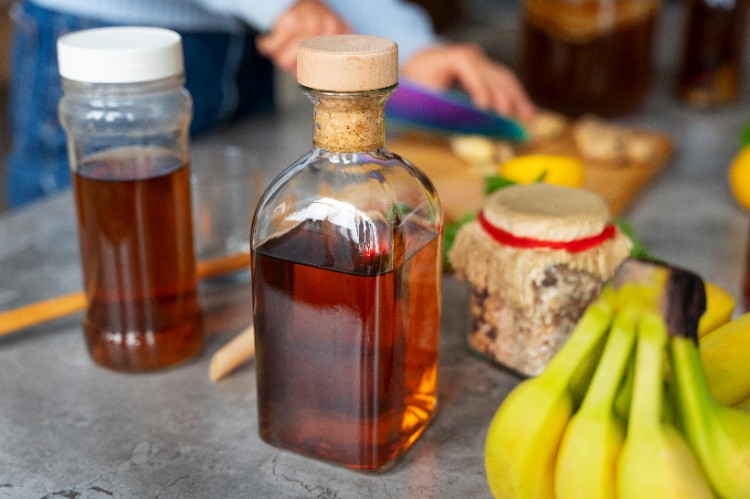
Vinegar sits in almost every kitchen. It smells sharp, costs little, and feels natural. Many families trust a simple vinegar solution made from white distilled vinegar and a cup of water.
How Acetic Acid Works
Acetic acid gives vinegar its power. It lowers pH and slows some bacteria. That sour punch can loosen dirt and wax from produce skin. Still, it does not destroy every germ we fear.
Simple Kitchen Recipe
We mix 1 part white distilled vinegar with 3 parts water. We pour it into a spray bottle and coat the fruits lightly. After 30 seconds, we rinse with warm water. This routine helps remove stains and surface dirt.
Why It Feels Safe
Vinegar sounds gentle. It comes from fermented grain or fruit. Many blogs claim it kills 99.9% of germs. Sadly, that line lacks strong proof for real food safety cases.
Does Vinegar Kill Viruses Like SARS-CoV-2?
We heard wild claims during the pandemic. Some posts said vinegar kills sars cov-2 on lettuce. We wanted facts, not rumors.
What Studies Suggest
Most studies show vinegar works poorly on tough viruses. It may reduce some microbes. Yet it is not a registered disinfectant for high-risk pathogens. That means you should not trust it for full protection.
Where Vinegar Still Helps
Vinegar can remove pesticide residue. It can loosen soil and wax layers. It also reduces mild bacterial load. That still makes it useful for basic produce prep.
Limits of Disinfecting Food with Vinegar
We love simple tools, but honesty matters. Vinegar cannot replace true sanitation in busy kitchens.
It cannot Reach Every Surface.
Leafy greens hide dirt in folds. Berries bruise under scrubbing. Vinegar only touches the outer layers. Germs inside cracks may survive.
Taste and Smell Problems
Too much vinegar leaves a sour taste. Kids complain fast. Salads smell like pickles. Nobody wants tacos that taste like science class.
Short Contact Time
Many germs need longer contact time. A quick rinse may not work. Real cleaning and disinfection often need stronger agents or longer soak periods.
A Modern Option: 50-80 PPM Solutions
Food factories use safer, tested tools. Low concentration solutions at 50-80 PPM can reduce microbes while staying food safe.
How We Use It at Home
We spray produce lightly. We wait 1 minute. Then we rinse with clean water. It feels quick and calm.
Why Consistent Concentration Matters
Too weak to fail. Too strong harms taste. A reliable Hypochlorous Acid Generator keeps levels stable. That consistency builds trust in our routine.
Gentle Yet Effective
At 50-80 PPM, the solution stays mild on skin. It leaves no strong smell. Many kitchens use it for food storage boxes and cutting boards.

Step-by-Step Produce Cleaning Guide
We follow a clear process. It saves time and cuts stress.
Method Using Vinegar
Fill the bowl with 1 cup of water + vinegar solution.
Soak firm produce for 2 minutes.
Rinse with warm water.
Dry with a clean towel.
Store in clean food storage containers.
Method Using Modern Disinfection
Spray produce lightly.
Wait 60 seconds.
Rinse with cool water.
Dry and refrigerate.
Clean tools after use.
Extra Kitchen Tips
• Wash hands before food prep.
• Clean sinks with hot water.
• Use a baking soda scrub for sticky spots.
• Replace old sponges often.
• Keep raw meat away from fruit.
Cleaning Storage Containers Too
We forget plastic boxes. They hold leftovers for days. Germs grow quietly there.
Vinegar for Containers
We spray containers with vinegar. We scrub with dish soap. Then we rinse with hot water. This removes odors and light stains.
When Stronger Help Works Better
Greasy boxes need deeper care. A stable sanitizer cleans cracks and lids well. We trust measured solutions for serious cleaning and disinfection jobs.
Our Honest Kitchen Verdict
We still keep vinegar on our shelf. It helps with dirt and smell. It works for quick produce rinses. Yet it does not replace tested sanitation tools.
We care about our kids and parents. We want meals free from risk. So we mix old wisdom with modern science. That balance keeps our kitchen calm and safe.
We also learned a funny lesson. If a method smells like salad dressing, it may not be strong enough. Our dog once licked a vinegar apple and walked away offended. That moment told us everything we needed to know.
When to Choose Each Method
Use vinegar when you need quick produce washing. Use stronger sanitation when the risk feels high. Think about travel, illness, or big family parties.
Good Situations for Vinegar
• Quick rinse for apples and cucumbers
• Removing dirt after farmers' market trips
• Cleaning light stains on containers
Better Situations for Measured Sanitizer
• Raw food prep areas
• Shared kitchens
• After illness in the family
• Restaurant or factory settings
Final Thoughts from Our Team
Food safety feels personal. We cook for people we love. We worry about hidden germs. Yet smart routines reduce fear.
Disinfecting Food with Vinegar gives basic cleaning power. A controlled solution at 50-80 PPM offers deeper protection. Together, they create a safe, balanced kitchen system.
We believe clean food should feel easy, not scary. Start with small habits today. Your future meals will thank you.