

Typical HOCl Concentration for Daily Use
We work with hypochlorous acid every single day. At Shandong Shine, concentration is not a theory for us. It is a daily decision that affects safety, comfort, and results. This guide explains the typical HOCl concentration for daily use in clear language, with real scenarios and honest experience.
Hypochlorous acid usage looks simple on the surface. In reality, concentration makes all the difference. Too low, and it fails. Too high, and you risk-averse effects.
We wrote this article to help you find the balance.

Why HOCl Concentration Matters
Hypochlorous acid is a weak acid, yet it acts fast. It attacks microbes by breaking their cell walls. That action reduces the bacterial load without harsh residue.
Our bodies already trust it. White blood cells produce hypochlorous acid to defend against infection. That natural origin explains why the right ppm feels gentle while staying highly effective.
However, concentration defines behavior. A hypochlorous acid solution at 20 ppm feels very different from one at 200 ppm. Understanding parts per million changes everything.
Understanding Parts Per Million (ppm)
Parts per million sounds technical. It really is not.
1 ppm = 1 part HOCl in 1,000,000 parts water
Lower ppm = gentler action
Higher ppm = stronger disinfection
We always remind clients that ppm controls comfort, smell, and safety. You do not want HOCl to behave like chlorine gas. Correct dilution prevents that.
How HOCl Works at Different Concentrations
HOCl works across a wide range of concentrations. That flexibility makes it valuable in homes, hospitals, and factories.
At lower ppm, it supports skin and wound care. At higher ppm, it handles floors and contaminated surfaces. The chemistry stays the same, but the effect changes.
Low Concentration: Gentle and Personal
Low ppm solutions focus on comfort:
Skin feels calm
No strong odor
Minimal irritation
This range suits care products, baby use, and daily hygiene. We often smile when customers say, “It feels like water.” That reaction tells us the concentration works.
High Concentration: Tough and Fast
High ppm targets serious contamination:
Faster microbial kill
Strong oxidation
Shorter contact time
We reserve this strength for surfaces, not skin. Even though HOCl is safer than bleach, respect still matters.
Environmental and Surface Disinfection
Let’s start with the most common daily use. Floors, desks, and shared spaces collect risk quietly.
Non-Corrosive Surfaces
For floors, plastic, and wood:
50–100 ppm works well
Heavy contamination may reach 200 ppm
Apply with a mop or a cloth
Leave for 10–15 minutes
Afterward, a clean water wipe improves appearance and comfort. We always suggest that extra step in busy spaces.
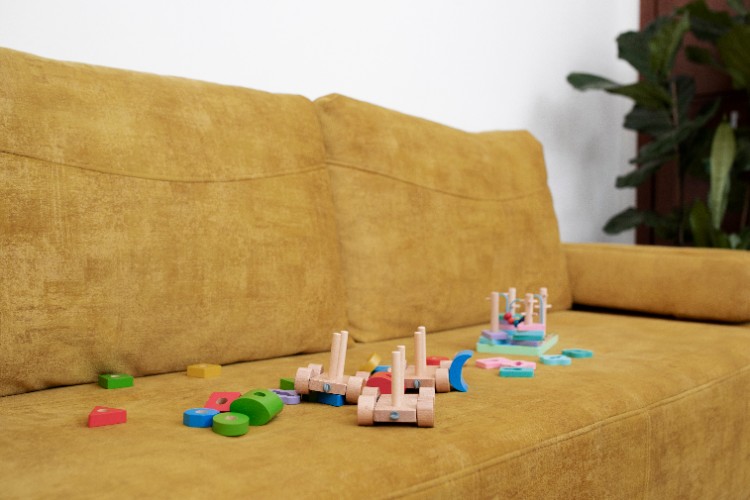
Toys, Furniture, and Electronics
Objects people touch often need extra care:
50–80 ppm
Spray or wipe gently
Let's sit for 5–10 minutes
Wipe residue with a damp cloth
Children touch everything. We never forget that detail.
Schools and Public Areas
Schools feel special to us. They mix people, surfaces, and air.
Spraying Classrooms and Kindergartens
For empty rooms:
50–80 ppm
Fog air and surfaces
Close doors for 15–20 minutes
Ventilate fully afterward
This practice aligns with advice often referenced by the Environmental Protection Agency. Airflow matters as much as chemistry.

Metal Surface Treatment
Metal reacts differently from plastic or wood. We always adjust.
Stainless Steel and Safe Metals
For stainless steel:
50–80 ppm
Contact time under 10 minutes
Dry with a clean cloth
This keeps surfaces bright and prevents water marks.
Iron and Copper Surfaces
Ordinary metals need caution:
Use lower ppm
Short exposure
Dry immediately
We learned this lesson early. Metal always teaches humility.

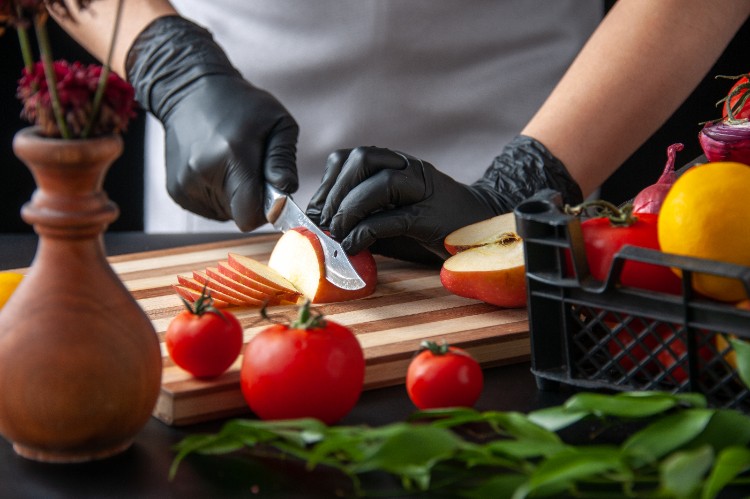
Food-Related Disinfection
Food safety allows no shortcuts. Concentration and rinsing go hand in hand.
Food Processing Equipment
For meat and vegetable tools:
50–80 ppm
Disinfect thoroughly
Rinse with plenty of clean water
This step avoids chemical residue while keeping hygiene high.
Drinking Water Treatment
Water treatment requires precision:
1–5 ppm only
Use food-grade HOCl
Test concentration carefully
Even small mistakes matter here. Measurement builds trust.
Skin, Hands, and Daily Care
This area feels personal. We use these products ourselves.
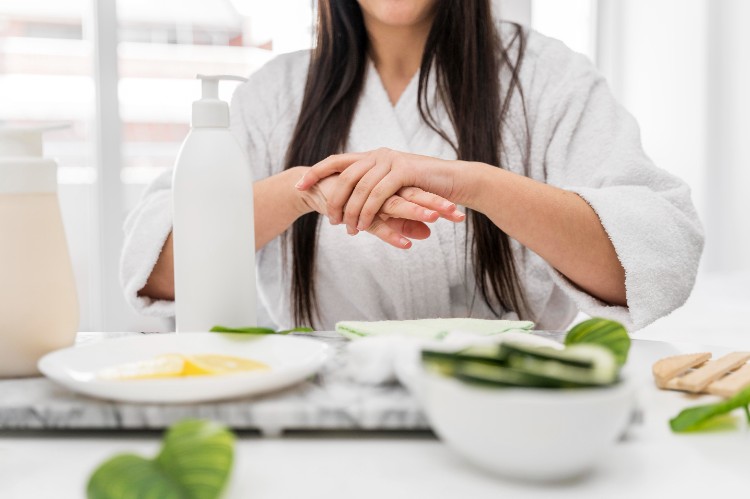
Hand and Face Cleaning
For daily skin contact:
30–50 ppm
Spray or wipe
Avoid the eyes and mouth
Some users feel tightness. Moisturizer solves that easily.
Baby Skin and Sensitive Use
Babies deserve gentler care:
20–40 ppm
Use high-purity solutions
Always supervise
We never rush baby-related decisions. Ever.
Wound Care and Healing Support
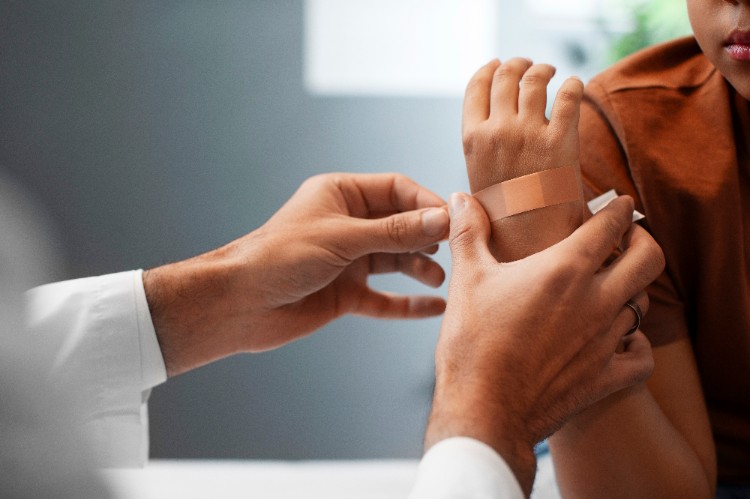
Wound care shows the elegance of hypochlorous acid.
Why HOCl Supports Wound Healing
HOCl helps wounds by:
Reducing microbial load
Supporting natural repair
Avoiding harsh irritation
For wound care:
30–60 ppm
Apply under medical guidance
Avoid deep or large wounds
This range supports wound healing without slowing tissue repair.
Pet Items and Living Spaces
Pets explore with their mouths. We plan for that.
Pet Bowls, Beds, and Areas
For pet environments:
20–80 ppm
Rinse after disinfection
Air dry fully
This keeps spaces safe and odor-free.
HOCl and Virus Control
Many ask about viruses. We answer directly.
HOCl damages viral structures quickly. Research shows activity against SARS-CoV-2 at proper concentrations. The key remains contact time and correct ppm.
We avoid panic language. We focus on the method.
HOCl vs Chlorine Gas and Bleach
People confuse these often.
Chlorine gas irritates the lungs
Sodium hypochlorite smells harsh
HOCl feels mild at proper ppm
Chemistry changes behavior. Control changes safety.
Shelf Life and Stability
HOCl does not last forever. Shelf life depends on:
Light exposure
Container quality
Concentration
Fresh solutions work best. That reality shapes many production decisions.
Choosing the Right Concentration Daily
We always suggest asking three questions:
Who or what touches this surface?
How dirty is it really?
How long will the solution sit?
Answers guide ppm better than habit.
Quick Reference Table
Environment & Surfaces
Floors, plastic, wood: 50–100 ppm
Heavy contamination: up to 200 ppm
Objects
Toys, furniture, electronics: 50–80 ppm
Metal
Stainless steel: 50–80 ppm
Iron, copper: lower ppm, short contact
Food & Water
Equipment: 50–80 ppm, rinse
Drinking water: 1–5 ppm
Human Use
Hands, face: 30–50 ppm
Babies: 20–40 ppm
Wounds: 30–60 ppm
Why We Trust These Numbers
These ranges come from experience, not guesswork. We tested them across climates, industries, and habits. When users follow them, results stay consistent.
Hypochlorous acid usage works best when science meets respect. Concentration is the handshake between safety and performance.
Final Thoughts From Our Team
HOCl proves that simple chemistry can solve complex problems. Made from salt and water, it protects people, food, and spaces quietly. When you choose the right ppm, it works with you, not against you.
That balance keeps us passionate about this field every day.
References
U.S. Environmental Protection Agency – Hypochlorous Acid Disinfectants
Food and Drug Administration – HOCl in Food and Skin Applications
CDC – Viral Inactivation and Disinfection Studies
Journal of Wound Care – HOCl and Wound Healing
WHO – Water Treatment and ppm Guidelines