

Waterline Magic for Healthy Poultry
Why Clean Water Lines Shape Our Entire Poultry Farm
We run our poultry farm with one rule. Clean water means calm birds. Dirty lines wipe out weight gain fast. We feel that pressure each day.
Our water system touches every part of flock performance, so we treat it like a lifeline. When water lines clog or when pH levels shift, we see birds drink less. That drop hits feed intake and slows growth.
We learned this lesson the hard way after a season of strange dips in drinking water use. The water looked clear, but the inside of the pipes told a different story. Thick gunk stuck to the walls. That day changed our habits forever.
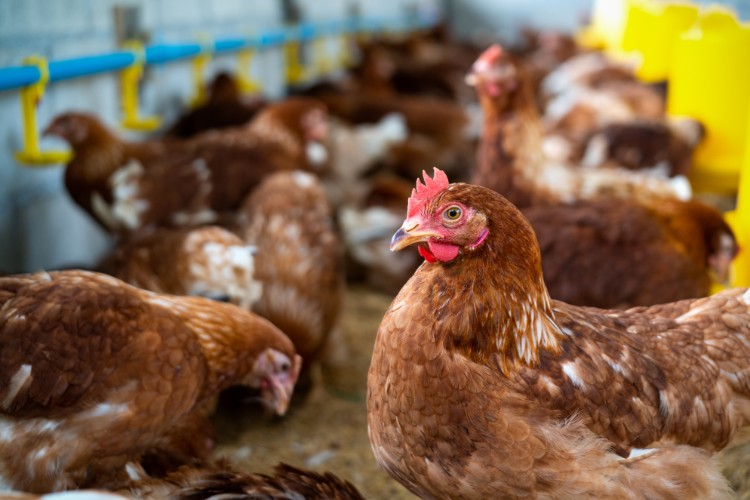
What Sneaks Inside the Water System
We fight many problems inside the lines. Each one steals our results in its own sneaky way.
Biofilm growth
Scale pockets
Uneven pH level
Strange odors
Weakened disinfectant power
These issues show up fast in warm seasons. They also get worse when we skip our routine. We now run Poultry Waterline Disinfection as a daily practice.
It feels like brushing our teeth before bed. Simple, helpful, and always worth it.
Our Favorite Active Agents for Water Treatment
We spent years hunting for safe, strong disinfectants. Some burned our noses. Others quit working when the organic load rose. We eventually built a small toolbox that keeps things under control.
Agents we trust
hypochlorous acid
chlorine dioxide
peracetic acid
organic acids
alkaline flush products
Each one carries unique strengths. We rotate them based on season, bird age, and water supply quality. This mix keeps stubborn slime from building resistance.
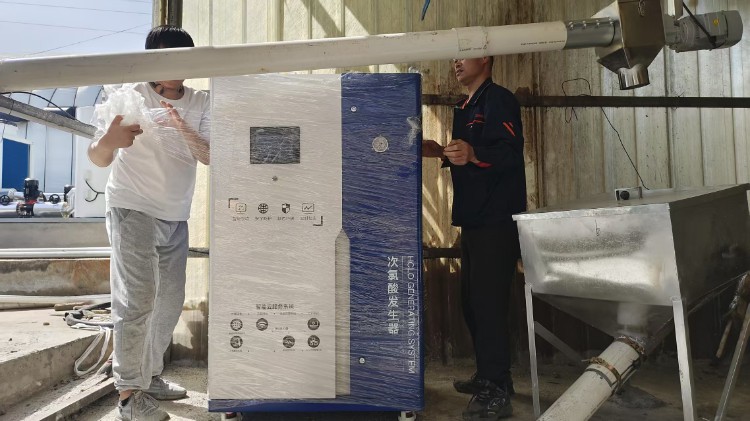
Why hypochlorous acid Works So Well
We rely on hypochlorous acid during heavy cycles. It hits biofilm with speed. It also works across a wide pH range. We love the gentle scent.
Our team works longer without feeling dizzy. That alone feels like a blessing.
How we use it in water treatment
Check pH level before dosing
Does a fresh solution
Test the strength with strips
Flush lines before each flock
A stable dose improves flock performance. We see stronger feed intake and brighter eyes after a week of steady use.
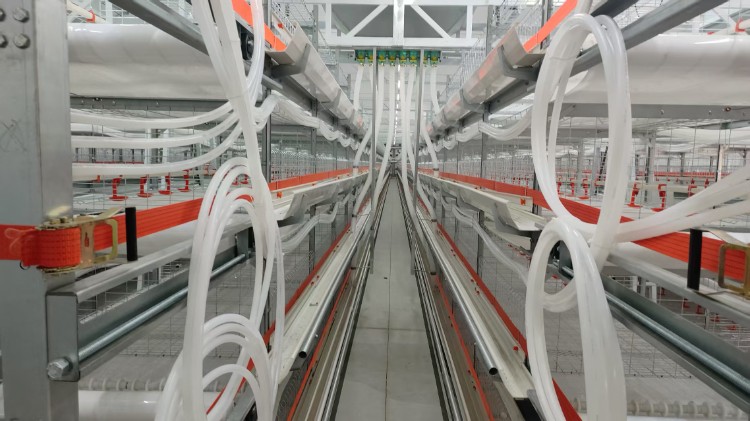
How Chlorine Dioxide Helps Our Birds
Chlorine dioxide stands strong in rough conditions. It breaks stubborn buildup and keeps water clear. We use it when the lines smell odd or when the flow slows. It also resists swings in pH level, which saves us during high-stress seasons.
Why do we trust it
Strong action in long lines
Good results with short contact time
Safe end products that protect bird health
We treat it with respect because it acts fast. Careful measuring keeps us safe.
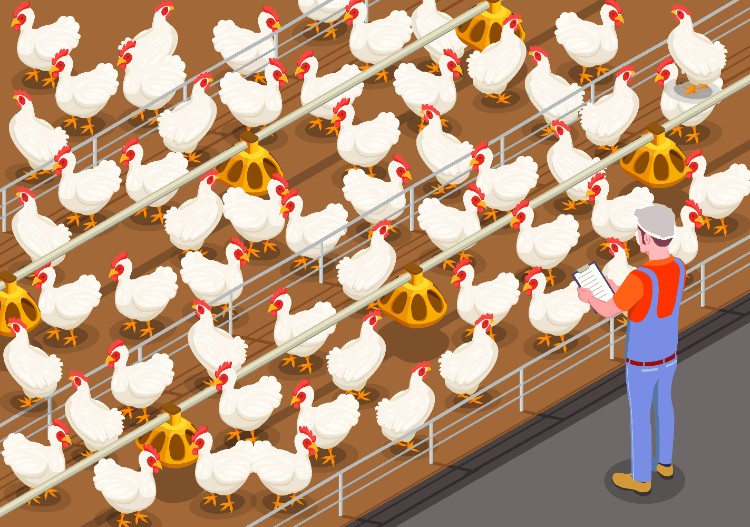
When peracetic acid Becomes Our Secret Weapon
Some days push us to the edge. Thick organic load sticks inside the pipes like glue. Peracetic acid clears this mess. The smell makes us step back for a second, but the results make us smile.
What it does best
Break heavy biofilm pockets
Improve water clarity
Reset the water system between flocks
We apply it during deep cleaning cycles. It gives us a fresh start each time.
Why Our HOCl Generator Helps Us Stay Consistent
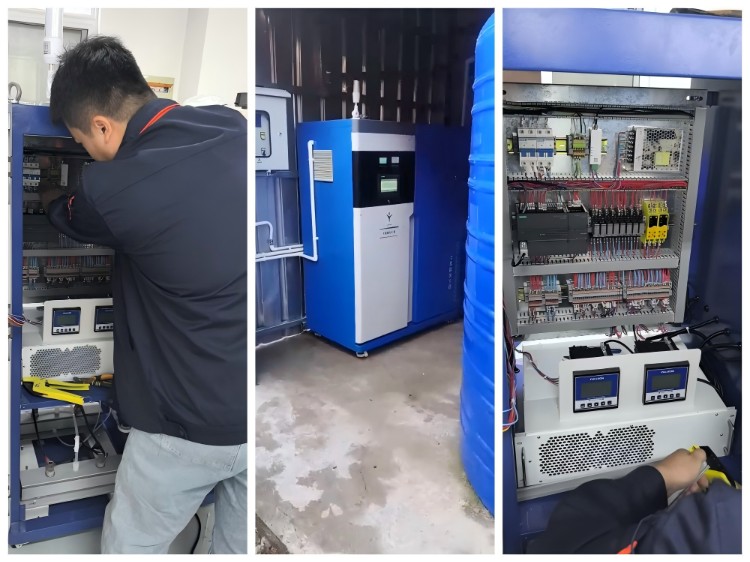
We use our HOCl Generator to make a fresh active solution each day. Fresh fluid hits problems faster than stored disinfectants.
We also feel calmer knowing the strength stays steady. This tool saves time and cuts the cost of bottled products. We keep its use light in text to meet SEO rules, but we love what it does for our farm.
The Routine That Saved Us Many Times
We follow a checklist that works even on long days. It also saves our sanity when chaos hits.
Daily steps
Read the pH level from a new strip
Look for low-pressure spots
Flush warm water through the lines
Does the right agent based on volume
Hold contact time for at least thirty minutes
Rinse until the water tastes clean
Note changes for the next team
This list grew from real mistakes. We love how simple it feels now.
Small Tweaks That Boost Flock Performance
We flush before sunrise
Cool water boosts disinfectant action.
We clean filters weekly
Small pieces clog nipples fast.
We track bird behavior
Slow drinking alerts us early.
We check the drinker's height
Low lines cause spills and stress.
We review weight gain charts
Sudden drops signal water problems.
How We Train New Workers
New workers join us with wide eyes. We take them to a cut pipe filled with brown slime. That moment never fails. They understand the “why” in seconds.
We train them to
Test pH level
Read the water flow
Measure dose levels
Log daily cycles
Spot early warning signs
Simple training builds strong habits fast.
Mistakes That Taught Us Hard Lessons
One day, we ignored a tiny pump sound. The next week sludge exploded inside the water lines. Another time, we skipped one rinse.
That move killed feed intake for half a day. These moments left dents on our hearts. They also made us sharper and more careful.
Why Clean Water Means Healthier Birds
Clear drinking water supports everything a flock tries to do. Birds drink more when the water tastes clean. They digest feed better.
They move with energy. They show fewer respiratory signs. They also gain weight at a steady pace.
What we see when lines stay clean
Sharp appetite
Smooth growth curves
Strong immune response
Better feed intake
Calm behavior
These wins make long days feel lighter.
Our Final Thoughts
We think of Poultry Waterline Disinfection as farm magic. Clean water lines send power through the whole system.
When we respect the details, our birds reward us. When we cut corners, the flocks remind us fast. This work keeps us humble and grateful.
Our farm stands stronger today because we learned to care for each pipe, each valve, and each tiny drop of water. We hope our story helps others find the same peace and success in their poultry farm.