

What are common water disinfection treatments?
Introduction: Why Clean Water Matters
Every sip of water we take tells a story. Behind that glass lies a journey through pipes, storage tanks, and a treatment facility. The hidden heroes are disinfection processes that guard our health.
Without them bacteria viruses and protozoa would roam free. We at Shandong Shine understand the stakes. That is why we dedicate our work to water treatment technologies that keep communities safe.
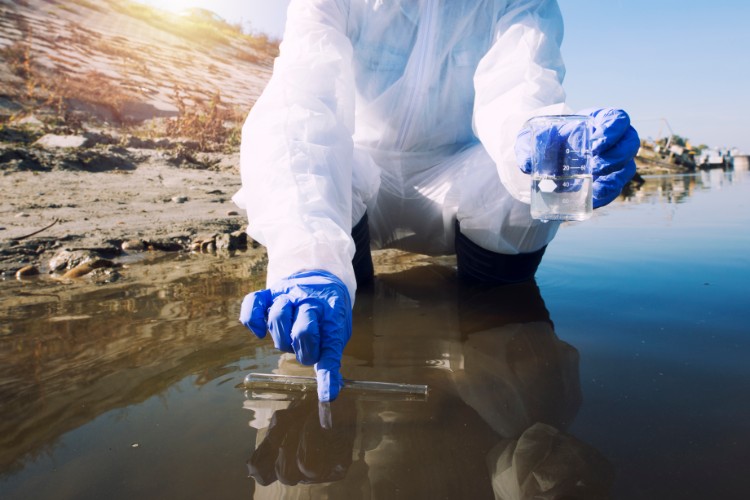
What Are Common Water Disinfection Treatment Methods?
The big question we face daily is simple yet powerful: what are common water disinfection treatment methods? The answer stretches across old traditions and modern innovations.
Chlorine Gas in History
Cities first relied on chlorine gas
Cheap and effective against bacteria viruses and protozoa
Requires careful handling due to toxicity
Needs accurate dosing to maintain water quality
Sodium Hypochlorite in Action
Produced in liquid form as bleach
Widely used in drinking water and water supply networks
Easy to apply yet degrades over time
Creates disinfected water but needs stable storage conditions
Calcium Hypochlorite as a Solid Option
Granular or tablet form for easier transport
Ideal for rural systems or emergency use
Strong oxidizing power but requires secure storage
Still part of trusted disinfection alternatives
Modern Water Disinfection Innovations
Technology has reshaped the treatment process in ways our grandparents never imagined.
Hypochlorous Acid HOCl
Formed naturally by white blood cells
Produced on demand for safe water disinfection
Non-toxic yet deadly to pathogens
Perfect for sensitive water supply environments
Ultraviolet UV Light
Uses energy not chemicals
Kills microbes by damaging DNA
Instant action without changing water chemistry
Ideal for treatment facilities seeking low byproducts
UV Disinfection Challenges
Needs clear water to work properly
No residual disinfected water effect in storage tanks
Often paired with chlorine or chlorine dioxide for full coverage
Chlorine Dioxide Advantages
Works at lower doses than chlorine gas
Effective against tough protozoa like Giardia
Leaves fewer byproducts in the distribution system
Requires specialized generation equipment
Why 0.8% On-site Hypochlorite System Stands Out
Allow us a moment of pride. We at Shine believe fresh disinfectant beats stored bleach any day. Our 0.8% On-site Hypochlorite System makes sodium hypochlorite right where it is needed.
Uses salt water and electricity through electrolysis
Produces stable solution with safe concentration
Avoids transport risks linked to bulk chemicals
Fits perfectly in treatment facilities of all sizes
We see it as a simple truth. Freshly made disinfectant brings peace of mind.
Contact Time and Its Role
Even the best disinfectant needs enough contact time. Without it microbes may survive. Every treatment process must calculate how long water touches the disinfectant.
Longer time improves disinfection success
Temperature pH and water quality influence results
Engineers design systems with precise parameters
Proper timing ensures disinfected water before reaching taps
Distribution System and Storage Tanks
The journey does not end at the treatment facility. Water travels miles through pipes and storage tanks. Disinfected water must stay safe during this trip.
Challenges in the Distribution System
Biofilm growth on old pipes
Residual disinfectant loss over distance
Pressure changes causing contamination risks
Storage Tank Safeguards
Regular cleaning removes sediment
Mixing systems prevent stratification
Residual chlorine dioxide or sodium hypochlorite maintains water quality
Disinfection Alternatives for the Future
We cannot ignore the growing demand for greener water disinfection. Communities ask for safer and more sustainable methods.
Advanced oxidation using ozone and UV
Filtration combined with chemical disinfectants
Portable devices for rural or disaster relief use
Integration with digital monitoring for treatment process optimization
We feel excited about these directions. The goal remains constant: deliver safe drinking water without compromise.
Final Thoughts: Water and Trust
When we talk about water disinfection we talk about trust. Families trust us to protect their children. Industries trust us to safeguard their operations. Farmers trust us to shield crops from disease.
The methods may vary. Chlorine gas, sodium hypochlorite, calcium hypochlorite, ultraviolet UV light, hypochlorous acid HOCl, and chlorine dioxide all play vital roles. Yet the mission stays the same.
At Shandong Shine we build systems that stand between people and invisible dangers. Our promise is simple. We give the world cleaner safer water every single day.