

What Concentration of Hypochlorous Acid is Effective?
We get this question all the time: What concentration actually works? The answer is not one-size-fits-all. Hypochlorous acid (HOCl) works across a wide range, but the right ppm (parts per million) depends on the job.
In simple terms, low concentrations protect skin, while higher concentrations target tough contamination. The magic lies in balancing free chlorine, contact time, and safety. When we dial these in correctly, we get a solution that is both highly effective and gentle.
Let’s break it down with real-world clarity, not textbook fluff.
Understanding HOCl and Its Power
Hypochlorous acid is not new. Our immune system produces it to fight bacteria, viruses and fungi. That alone tells us something important—it is both powerful and naturally compatible with the body.
Why HOCl Works So Well
Strong antimicrobial properties
Fast action, often within seconds to minutes
Low risk of skin irritation at proper levels
Leaves minimal harmful residue
We often describe it as “nature’s disinfectant with a lab upgrade.” And when produced by modern hypochlorous acid (HOCl) generators, the consistency improves dramatically.
ppm Explained: The Key to Effectiveness
Before choosing a concentration, we need to understand ppm. It stands for parts per million. It tells us how much active HOCl exists in the solution.
Typical Effective Ranges
1–5 ppm → drinking water disinfection
20–50 ppm → sensitive skin and daily hygiene
50–100 ppm → surface cleaning and general use
100–200 ppm → heavy contamination
200+ ppm → industrial-level disinfection
Higher is not always better. In fact, pushing ppm too high may increase adverse effects without improving performance.
HOCl for Skin and Wound Care
When it comes to wound care and sensitive skin, precision matters. We always recommend staying within a safe therapeutic range.
Safe Concentrations for Skin
20–40 ppm → baby care and ultra-sensitive skin
30–50 ppm → daily facial and hand hygiene
30–60 ppm → minor cuts and wound healing
At these levels, HOCl supports natural recovery while helping reduce the risk of infection.
Why Lower ppm Works Better Here
Skin is not a countertop. It needs balance. Lower concentrations:
Protect the skin barrier
Avoid dryness or irritation
Support faster wound healing
We have seen users expect stronger solutions to work faster. Ironically, that often backfires.
Surface Disinfection: Finding the Sweet Spot
For surfaces, we step up the concentration. This is where HOCl shines in effective disinfection.
Recommended Ranges
50–80 ppm → toys, furniture, electronics
50–100 ppm → floors, walls, plastic surfaces
100–200 ppm → heavily contaminated areas
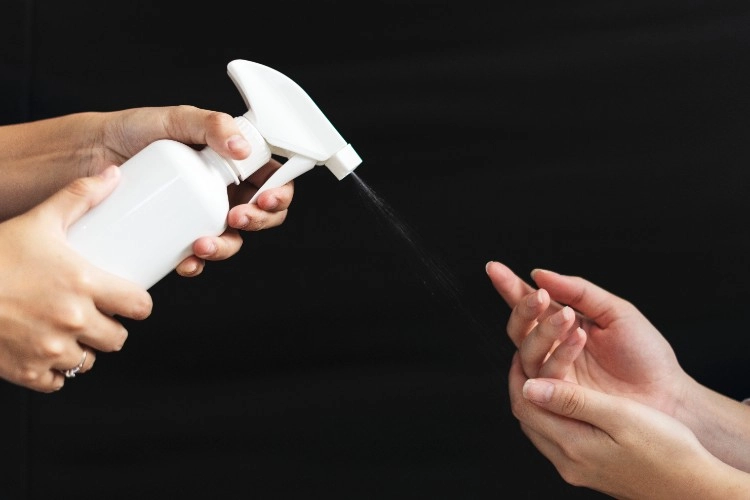
We usually apply it with a spray or a cloth. Let it sit for 5–15 minutes. For deeper sanitation, extend contact time to 30 minutes.
Practical Tips We Use
Always clean dirt first
Apply evenly and avoid pooling
Let it air dry when possible
Rinse food-contact surfaces
Simple habits make a big difference.
Food Safety and Water Treatment
Food environments require extra care. No one wants chemical residues on their lunch.
Food Contact Surfaces
Use 50–80 ppm
Rinse thoroughly with clean water
Focus on cutting boards and tools
Drinking Water Disinfection
Use 1–5 ppm only
Measure carefully with test tools
Ensure safe free chlorine levels
This range is enough to clean and disinfect without affecting taste or safety.
The Role of Contact Time
Concentration alone does not tell the full story. Time matters just as much.
How Time Impacts Performance
Low ppm + longer time = effective
High ppm + short time = sometimes wasteful
Ideal balance = efficient disinfection
For example:
50 ppm → 10 minutes
100 ppm → 5 minutes
Heavy contamination → up to 30 minutes
We like to think of it as cooking. Temperature matters, but so does time in the oven.
Shelf Life and Stability
Here is a detail many overlook—shelf life. HOCl does not last forever.
What Affects Stability
Light exposure
Temperature
Storage container
Initial concentration
Most solutions stay effective for 24 hours to several weeks, depending on conditions. Freshly produced solutions always perform best.
That is why many users prefer hypochlorous acid spray made on demand. It ensures consistent strength and reliability.
Choosing the Right Solution for Your Needs
We always guide customers to match concentration with purpose. This avoids waste and ensures safety.
Quick Selection Guide
Skin care → 20–50 ppm
Wound care → 30–60 ppm
Daily cleaning → 50–100 ppm
Deep disinfection → 100–200 ppm
Water treatment → 1–5 ppm
This simple framework works in most situations.
Common Mistakes to Avoid
We have seen a few patterns over the years. Avoid these, and you will get better results.
Watch Out For
Using higher concentrations than needed
Ignoring contact time
Storing the solution improperly
Mixing with other chemicals
Each of these reduces effectiveness or increases risk.
Our Take: Balance Beats Strength
After years in this field, we keep coming back to one idea—balance wins. A well-made hocl solution at the right ppm outperforms a stronger but poorly used one.
We love how HOCl can reduce the risk of infection while staying gentle. It feels like a rare combination in the disinfection world.
If you ask us, the future belongs to smart dosing, not brute force.
Conclusion
So, what concentration of hypochlorous acid is effective? The honest answer is: it depends on the task. From sensitive skin to industrial cleaning, each use case demands a specific range.
Recommended Concentration (ppm) | Usage Instructions | |
Environmental & Surface Disinfection | ||
Floors, plastic, wood, and other non-corrosive surfaces | 50–100 ppm | For heavy contamination, use higher concentration (e.g., 200 ppm). Wipe with a mop or cloth. Let sit for 10–15 minutes, then wipe again with clean water if needed. |
Toys, furniture, appliance surfaces | 50–80 ppm | Wipe or spray evenly. Allow 5–10 minutes of contact time. Use a clean damp cloth to remove residue, especially for items children may touch. |
Schools and kindergarten environments (spraying) | 50–80 ppm | Apply via misting after students leave. Keep doors and windows closed for 15–20 minutes, then ventilate thoroughly. |
Metal Surface Treatment | ||
Non-corrosive metals (e.g., stainless steel) | 50–80 ppm | Wipe to disinfect. Keep contact time short (<10 minutes). Dry with a clean cloth after treatment to prevent water marks. |
Common metals (iron, copper, etc.) | 50–80 ppm | Use with caution. Apply lower concentration and shorten contact time. Dry immediately and thoroughly after disinfection. |
Food-Related Disinfection | ||
Meat and vegetable processing equipment & utensils | 50–80 ppm | Rinse thoroughly with plenty of clean water after disinfection to avoid chemical residue. |
Drinking water disinfection | 1–5 ppm | Use only food-grade HOCl. Follow strict dilution ratios and use testing tools to ensure accurate concentration. |
Human & Special Applications | ||
Hands and facial skin cleaning | 30–50 ppm | Spray or wipe. Avoid eyes, mouth, nose, and mucous membranes. Apply moisturizer if dryness occurs. |
Baby skin cleaning | 20–40 ppm | Use only pure, specially formulated products. Apply under adult supervision. Avoid ingestion or eye contact. |
Wound disinfection | 30–60 ppm | Use under medical guidance. Apply gently. Avoid deep or large wounds. |
Pet supplies and living environment | 20–80 ppm | After disinfecting pet beds, bowls, etc., rinse with clean water and allow to dry to prevent licking residue. |
Stick to proven ppm levels. Respect contact time. Use a fresh solution when possible. Do that, and you unlock the full power of HOCl—safe, efficient, and surprisingly versatile.