

Can HOCl and Benzoyl Peroxide Mix?
Hypochlorous acid (HOCl) has become popular in modern skin care. Many people use it for acne, irritation, redness, and minor skin concerns. At the same time, benzoyl peroxide remains a trusted acne treatment.
So, Can You Use Hypochlorous Acid with Benzoyl Peroxide? In most cases, we can use both products in the same skincare routine. However, we should not mix them in one container. We also need to consider skin tolerance, product strength, and application order.
At Shandong Shine Health, we focus on HOCl Generator technology and controlled hypochlorous acid production. We know that concentration, pH, stability, and storage can affect the final solution. For skin care, these details matter just as much as the active ingredient itself.
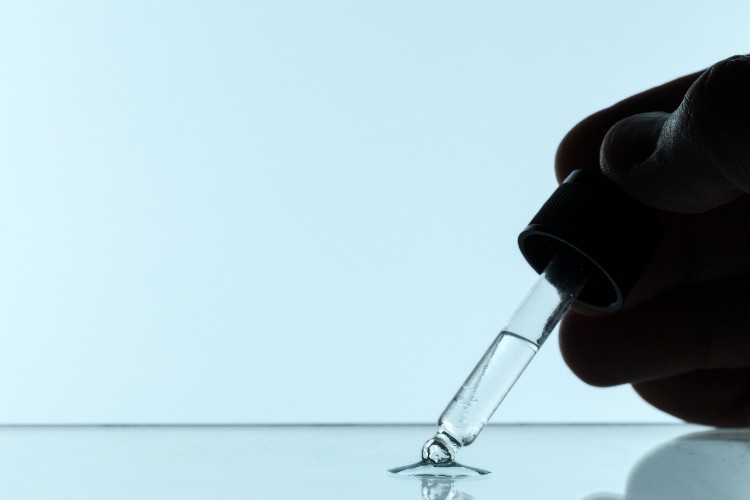
What Is Hypochlorous Acid?
Hypochlorous acid, or HOCl, occurs naturally in our immune system. White blood cells produce HOCl during the body's natural defense response. It helps the immune system fight many unwanted microorganisms.
Modern technology can also produce HOCl outside the body. An HOCl Generator uses an electrochemical process to create a controlled solution. The final product can support cleaning, hygiene, and selected skin care uses when manufacturers formulate it for those purposes.
How HOCl Supports the Skin
HOCl has antimicrobial and anti-inflammatory properties. Research also shows potential benefits for wound care and several inflammatory skin conditions. A recent clinical review reported applications involving acne, dermatitis, wounds, and postoperative skin care.
This does not mean HOCl solves every skin problem. Skin behaves differently from person to person. Still, we find its combination of antimicrobial action and gentle use quite interesting.
Why HOCl Is Part of Our Immune System
Our white blood cells naturally produce HOCl when they respond to microbes. This process forms part of the body's first-line immune defense.
That fact explains why researchers continue to study topical HOCl. It can fight infections through broad antimicrobial activity. Researchers also report anti-inflammatory and immunomodulatory effects.
However, topical HOCl does not replace the immune system. It simply uses a molecule that already plays an important biological role.
What Does Benzoyl Peroxide Do?
Benzoyl peroxide has a much longer history in acne treatment. Dermatologists commonly recommend it for mild to moderate acne. The American Academy of Dermatology gives topical benzoyl peroxide a strong recommendation for reducing acne-causing bacteria.
How Benzoyl Peroxide Works
Benzoyl peroxide works mainly by reducing acne-causing bacteria on the skin. It also helps address inflammation linked with acne. That makes it useful for people with acne-prone skin and inflammatory pimples.
We should also remember that acne has several causes. These include clogged pores, excess oil production, inflammation, and microbial changes. Therefore, one ingredient may not solve every part of the problem.
The AAD recommends starting with lower-strength benzoyl peroxide products when appropriate. A 2.5% product can reduce the risk of dryness and irritation compared with stronger options.
Common Benzoyl Peroxide Side Effects
Benzoyl peroxide can work very well. Yet stronger does not always mean better.
Common side effects may include:
Dryness
Redness
Burning
Peeling
Tight skin
Irritation
These effects can become worse when we use too many active products at once. For that reason, we should protect the skin barrier while treating acne.
If your skin becomes painful, swollen, or severely irritated, stop and seek professional advice. A board-certified dermatologist can help create a safer treatment plan.
Can You Use HOCl With Benzoyl Peroxide?
Yes, many people can use both products in one routine. However, we recommend using them separately rather than mixing them.
There is currently limited clinical evidence specifically studying a combined HOCl and benzoyl peroxide routine. Research supports topical HOCl for antimicrobial and inflammatory skin concerns, while dermatology guidelines strongly support benzoyl peroxide for acne.
The Safer Way to Combine Them
We prefer a simple approach:
Clean the skin gently.
Apply a suitable hypochlorous acid spray.
Allow the skin to dry.
Apply benzoyl peroxide according to its label.
Use a suitable moisturizer.
Apply sunscreen during the daytime.
Do not pour HOCl and benzoyl peroxide into the same bottle. Different formulations have different chemistry and stability requirements. An effective disinfectant does not automatically become a suitable cosmetic mixture.
Should You Apply Them at the Same Time?
You can use them during the same routine if your skin tolerates both products. However, sensitive users may prefer to separate them.
For example:
Morning
Gentle cleanser
HOCl spray
Moisturizer
Sunscreen
Evening
Gentle cleanser
Benzoyl peroxide
Moisturizer
This approach gives each product its own role. It also makes it easier to identify the cause if irritation appears.
HOCl, Acne, and Skin Inflammation
Acne does not only involve bacteria. Inflammation plays a major role too. Therefore, researchers have studied HOCl because it combines antimicrobial activity with reported anti-inflammatory effects.
Can HOCl Kill Acne-Causing Bacteria?
HOCl has broad antimicrobial activity. Laboratory and clinical research supports its ability to act against different microorganisms. Some dermatology research also reports potential value in acne care.
However, we should avoid saying that HOCl will completely kill acne-causing bacteria and cure acne. Acne treatment requires a broader approach.
One older clinical study discussed in a recent review found a super-oxidized solution comparable with benzoyl peroxide for inflammatory acne. However, the newer review also notes that acne evidence remains limited.
That distinction matters. Good SEO should never replace good science.
HOCl and the Skin Barrier
A healthy skin barrier helps retain water and protects against outside irritants. Excessive use of strong acne products can weaken this balance.
Properly formulated HOCl may offer a useful option for people who want antimicrobial skin care without adding another harsh exfoliating active. Still, formulation quality matters. pH, concentration, stability, and storage can change how a product behaves.
For this reason, we do not recommend using homemade solutions with unknown concentration. A controlled hypochlorous acid production system gives manufacturers better control over the final solution.
Can HOCl Help With Wound Healing?
HOCl also receives attention in wound healing. Researchers have studied its use for wound cleansing, infection control, and inflammatory conditions.
HOCl and Minor Wound Care
HOCl can help reduce microbial contamination around suitable wounds. Research and expert recommendations support its role as an adjunct in selected wound-care settings.
However, acne treatment and wound care are not identical. We should never assume that an acne spray can treat every open wound.
For serious wounds, burns, diabetic ulcers, deep cuts, or infected wounds, seek medical care. Professional wound management may require cleaning, debridement, antibiotics, or other treatment.
Why Anti-Inflammatory Action Matters
Inflammation helps start healing. Too much inflammation can create problems.
Research suggests that HOCl may influence inflammatory signaling and support healing processes. Recent reviews discuss effects related to re-epithelialization, angiogenesis, and inflammatory control.
That gives HOCl an interesting position. It can act as an antimicrobial agent while also supporting the skin's natural healing environment.
How We Recommend Using HOCl for Acne
We believe simple routines work best. Acne-prone skin already has enough problems without turning the bathroom into a chemistry lab.
Choose the Right HOCl Product
Look for a product designed for its intended skin application. Check:
HOCl concentration
pH
Manufacturing date
Expiration date
Packaging
Storage instructions
Intended use
Product testing or regulatory information
Our HOCl Generator technology can produce controlled concentrations for different applications. However, the generator itself does not make every generated solution suitable for direct skin use. The final formulation must match its intended application.
A Practical Routine
For many users, a basic routine can look like this:
AM
Wash gently.
Apply a suitable HOCl product.
Let it dry.
Apply moisturizer.
Finish with SPF 30+ sunscreen.
PM
Cleanse gently.
Apply benzoyl peroxide as directed.
Moisturize.
Avoid unnecessary acids or scrubs.
If your skin feels dry or irritated, reduce product frequency. We should treat the skin, not punish it.
What About Safety and Side Effects?
No skin product works perfectly for everyone. Even ingredients with good safety records can irritate.
When Should You Stop?
Stop using a product if you develop severe burning, swelling, persistent redness, or other unusual symptoms. Contact a healthcare professional when symptoms continue or worsen.
People with sensitive skin should introduce one new product at a time. This simple habit makes troubleshooting much easier.
The AAD also advises careful storage of benzoyl peroxide products. Current guidance recommends following the manufacturer's storage instructions and replacing products within the recommended period.
When Should You See a Dermatologist?
A dermatologist can help when acne becomes painful, widespread, or persistent. Professional advice also helps when acne leaves scars or dark marks.
We especially recommend medical guidance for people with severe skin conditions, allergies, or ongoing wounds. A qualified clinician can decide whether benzoyl peroxide, retinoids, antibiotics, or another treatment fits the situation.
Our View: Use Both With Care
So, Can You Use Hypochlorous Acid with Benzoyl Peroxide? In general, yes. But we recommend using them as separate products and avoiding direct mixing.
HOCl offers broad antimicrobial action and potential anti-inflammatory benefits. Benzoyl peroxide has stronger clinical support for traditional acne treatment. The two ingredients can therefore serve different roles within a simple skin care routine.
We also believe concentration and formulation deserve more attention. Good hypochlorous acid production requires control over pH, available chlorine, stability, and storage. These technical details may sound boring, but they make a real difference.
For us, the goal remains simple: effective hygiene without unnecessary complexity. HOCl can support skin care, while benzoyl peroxide can target acne. When we respect the strengths and limits of both, we can build a smarter routine.
Important note: This article provides general information, not personal medical advice. Always follow the product label and consult a healthcare professional for persistent acne, significant wounds, or severe skin reactions.
References
American Academy of Dermatology — Acne Diagnosis and Treatment. AAD: Acne Diagnosis and Treatment
American Academy of Dermatology — Adult Acne Treatment. AAD: Adult Acne Treatment
Haralović V, et al. Hypochlorous Acid: Clinical Insights and Experience in Dermatology, Surgery, Dentistry, Ophthalmology, Rhinology, and Other Specialties. PubMed: Hypochlorous Acid Clinical Review
Del Rosso JQ, Bhatia N. Status Report on Topical Hypochlorous Acid. PubMed: Topical Hypochlorous Acid Review
Expert Recommendations for the Use of Hypochlorous Solution. PubMed: HOCl Wound Care Recommendations