

Farming Fails Without Disinfection
Farming looks peaceful. Green fields look healthy. Animals eat quietly. Yet farms fight germs every day. Harmful bacteria and viruses grow fast in wet and dirty places.
One small mistake can spread disease across the whole farm.
That is why using disinfectant is very important in farming. Good hygiene protects crops and livestock. It also improves food safety and animal health. Clean farms usually earn more trust from customers.
We have worked with many farms over the years. One thing stays true. Cleaner farms often perform better. Healthy animals grow faster. Fresh produce lasts longer. Workers also feel safer.
Modern farms now focus more on effective disinfection. Customers want safer food and cleaner farming methods.
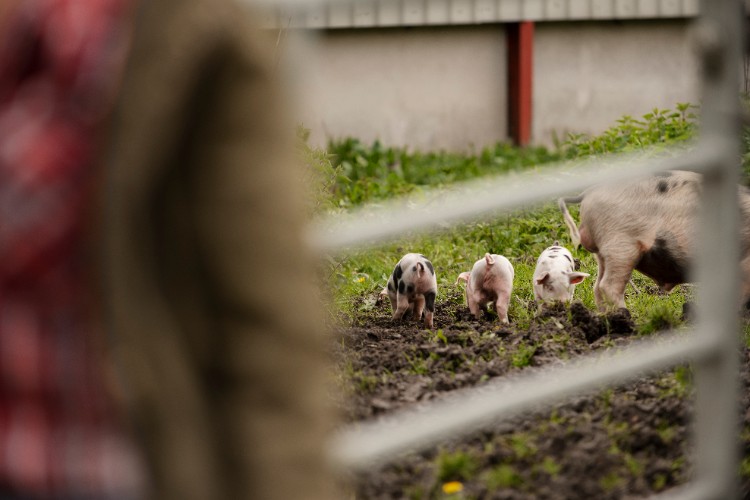
Farms Face Germs Every Day
Farms create perfect conditions for germs. Heat, water, and waste help microorganisms grow quickly. Once the disease appears, the spread of the disease can happen very fast.
Dirty boots may carry germs between barns. Unclean tools may spread contamination to crops. Bad water can infect many animals within hours.
Farmers often fight problems like:
Salmonella
E. coli
Bird flu
Swine fever
Mold and fungi
Waterborne diseases
These problems cost farms time and money. They also damage customer trust.
Strong cleaning routines help farmers reduce these risks early.
Water Treatment Matters
Water treatment is very important on farms. Animals drink water every day. Crops also need clean irrigation water. Workers use water to clean and disinfect tools and buildings.
Dirty water spreads harmful germs quickly. Even small problems can become expensive later.
We always tell farmers this simple truth: clean water protects the whole farm.
Clean and Disinfect Correctly
Many people think cleaning is enough. It is not. Cleaning removes dirt and waste. Disinfection kills germs after cleaning.
Farmers should always clean and disinfect in the correct order.
A simple cleaning process includes:
Remove dirt and waste
Wash surfaces with water
Apply disinfectant and sanitizer
Wait for contact time
Let the surfaces dry
This process looks easy. However, busy farms sometimes skip steps. Harvest season gets stressful. Animals need care every day. Machines also break at bad times. Farming never sleeps.
Still, good hygiene saves money in the long run.
Why 200 ppm Matters
Disinfectants need the right strength. Weak solutions may not kill germs. Strong solutions may waste money.
Many farms use 200 ppm for daily cleaning.
The term parts per million ppm shows disinfectant strength in water.
For example:
200 ppm means 200 mg per liter
Low ppm works for light cleaning
High ppm helps during disease outbreaks
Many modern systems now calculate ppm automatically. This saves time and reduces mistakes.
Hypochlorous Acid Helps Modern Farms
Some cleaning chemicals smell strong. Others damage machines or irritate skin. Farmers want safer options today.
Hypochlorous acid (HOCl) generators offer a simple solution. These systems use:
Salt water
Electricity
Electrolysis technology
The final solution is highly effective against germs. It also stays gentle on surfaces.
At first, many farmers feel unsure. We understand that feeling. Farmers trust real results more than fancy ads. After testing hypochlorous acid, many farms see clear improvements.
Leaving No Harmful Residues
Customers care about food safety more than ever. They want clean food without dangerous chemicals.
Hypochlorous acid breaks down naturally after use. This helps farms avoid leaving any harmful residues on food equipment and surfaces.
This benefit helps:
Organic farming
Vegetable farms
Dairy farms
Poultry farms
Food factories
Nobody wants chemical smells on fresh vegetables. Chickens probably hate them, too.
Protecting Crops and Livestock
Healthy farms focus on prevention. Preventing disease costs less than treating disease later.
Good sanitation protects crops and livestock every day. Clean spaces also lower stress for workers and animals.
Farmers often disinfect these areas:
Area Purpose Animal barns Stop germ growthFeeding toolsImprove hygieneWater tanksKeep water clean Harvest tools Protect food safety Vehicles Reduce contamination Worker boots Stop cross-contamination
This wide range of uses makes agricultural disinfectants very important.
Animal Health Starts with Clean Spaces
Animal diseases spread quickly in crowded places. One sick animal may infect many others.
Good sanitation improves animal health in several ways:
Better growth
Lower death rates
Stronger animals
Lower medical costs
Better production
Clean barns also smell better. Workers appreciate that every day.
Organic Farming Needs Hygiene Too
Some people think organic farming uses no disinfectants. That idea sounds nice, but farms still need sanitation.
Organic farms also fight germs and contamination. They simply prefer safer cleaning methods.
Hypochlorous acid works well in many organic farming systems. It supports effective disinfection without harsh chemical residues.
Today, customers want farms to protect both food and nature.
Food Safety Starts on the Farm
Food problems usually begin before products reach stores. Dirty water and dirty tools increase contamination risks.
Modern farms sanitize many areas:
Packing equipment
Irrigation systems
Storage rooms
Worker stations
Harvest containers
These steps help reduce the risk of contamination during food production.
Choosing Better Agricultural Disinfectants
Not every disinfectant works well on farms. Some damage to the metal. Others stop working in dirty conditions.
Farmers should look for several important features.
Important Features
Strong Germ Control
The product should kill bacteria, viruses and fungi quickly.
Safe for Workers
Workers handle cleaning products daily. Safer products reduce health risks.
Easy to Use
Simple systems help workers follow hygiene rules correctly.
Equipment Protection
Good products should not damage machines or tools.
Lower Costs
Smart dosing systems reduce waste and save money.
Many farms now prefer hypochlorous systems because they balance safety and performance well.
The Future of Farm Hygiene
Farming continues to change every year. Farmers now focus more on safety, sustainability, and biosecurity.
Sanitation technology also keeps improving. Some systems now monitor disinfectant levels automatically. Others check water quality in real time.
We believe future farms will rely even more on smart cleaning systems.
Customers now expect:
Cleaner food
Safer farming
Better animal care
Lower chemical use
Sustainable farming methods
Farms that ignore hygiene may struggle later.
Final Thoughts
Farming fails without proper sanitation. The reason is simple. Germs spread fast on farms.
Why using disinfectant is very important in farming comes down to protection. Clean farms protect food, animals, workers, and profits.
Modern hypochlorous acid systems create highly effective sanitation using salt water and electricity. Farms can improve hygiene while avoiding harsh chemicals.
We have seen farms improve greatly after building better cleaning habits. Cleaner barns and cleaner water often lead to stronger profits.
Farming will always stay challenging. Rain comes suddenly. Machines break often. Animals create chaos sometimes. Yet good sanitation gives farmers one strong advantage every day.
And every farm needs that advantage.