

Where to Find Sodium Hypochlorite Solution
Introduction
We often hear people ask, “Where to find sodium hypochlorite solution for safe water treatment?” The answer sounds simple at first.
Yet the market offers dozens of products with different strengths, labels, and applications. Some solutions target swimming pools. Others focus on drinking water or industrial water disinfection.
That confusion matters. Using the wrong concentration can damage equipment or affect water quality. Nobody wants water that smells like a public pool from 1997. We have seen it happen more times than we can count.
In this guide, we explain where to buy sodium hypochlorite, how to choose the correct concentration, and why many facilities now prefer on-site production systems. We also share practical advice for handling chlorinated water safely.
What Is Sodium Hypochlorite Solution?
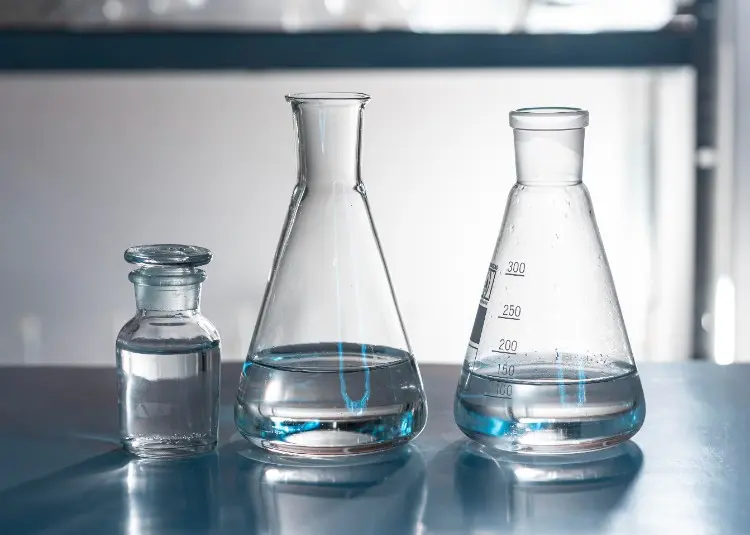
Sodium hypochlorite is a liquid disinfectant widely used in water treatment and sanitation. Most people know it as liquid bleach. However, industrial-grade sodium hypochlorite differs from household cleaning products.
The solution releases free chlorine into the water. That process destroys bacteria, viruses, and many waterborne diseases. It also helps improve water supply safety in cities and factories across the United States and worldwide.
Why Water Plants Use It
Water treatment facilities rely on sodium hypochlorite because it works fast and costs less than many alternatives. Operators also find it easier to store than chlorine gas.
Key advantages include:
Fast water disinfection
Lower transport risks
Better operator safety
Effective control of algae and bacteria
Easier dosing control in parts per million ppm
Many engineers now replace chlorine gas systems with safer liquid solutions. That shift continues to grow in municipal water treatment projects.
Understanding the Chemistry
When sodium hypochlorite enters water, it forms hypochlorous acid and the hypochlorite ion. Both compounds attack harmful microorganisms.
The simplified reaction looks like this:
𝑁𝑎𝑂𝐶𝑙+𝐻2𝑂→𝐻𝑂𝐶𝑙+𝑁𝑎++𝑂𝐻−NaOCl+H2O→HOCl+Na++OH−
This reaction supports water chlorination and helps treat water effectively. However, operators must carefully monitor the remaining chlorine levels in the water.
Too little chlorine reduces protection. Too much affects taste and odor.
Where to Find Sodium Hypochlorite Solution
You can buy sodium hypochlorite from several sources. Each option serves different needs and production scales.
Local Chemical Suppliers
Industrial chemical distributors remain the most common source. These companies supply:
Food factories
Farms
Hospitals
Hotels
Most suppliers offer concentrations between 5% and 15%. Buyers should request product specifications before purchase.
Freshness matters greatly. Sodium hypochlorite loses strength over time, especially in hot weather. Old products may fail during water disinfection.
Water Treatment Equipment Companies
Many water treatment companies sell sodium hypochlorite alongside dosing systems. This option works well for municipalities and industrial plants.
Some providers also offer monitoring systems that control:
Chlorine residuals
Flow rates
pH balance
Water quality metrics
That setup improves treatment stability and reduces operator mistakes.
Online Industrial Platforms
Many factories now purchase sodium hypochlorite through industrial B2B websites. Buyers can compare:
Concentration
Packaging
Delivery time
Certification
Price
Still, cheap products sometimes create expensive problems. We always recommend checking certifications and production standards carefully.
A suspiciously low price often hides poor quality control. Nobody enjoys discovering weak chlorine after a contamination event.
Why Many Facilities Choose On-Site Production
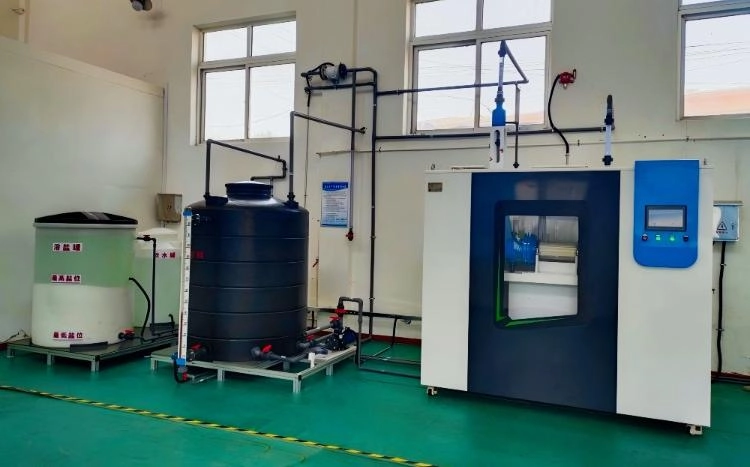
Transporting liquid chlorine products creates storage and safety challenges. Therefore, many organizations now use an On-site Hypochlorite Generator to produce fresh disinfectant directly at the facility.
These systems generate sodium hypochlorite from salt, water, and electricity. The process reduces transportation risks and improves freshness.
How the System Works
An on-site system converts brine into sodium hypochlorite using electrolysis.
The simplified equation appears below:
2𝑁𝑎𝐶𝑙+2𝐻2𝑂→𝑁𝑎𝑂𝐶𝑙+𝑁𝑎𝐶𝑙+𝐻22NaCl+2H2O→NaOCl+NaCl+H2
The generated solution usually reaches around 8000 ppm available chlorine concentration. That strength works well for many water treatment applications.
Benefits of On-Site Generation
We often recommend on-site systems because they offer several operational advantages:
Reduced chemical transport
Improved safety compared to chlorine gas
Lower long-term operating costs
Fresh sodium hypochlorite production
Stable water chlorination performance
Operators also avoid sudden supply chain disruptions. During emergencies, local production becomes extremely valuable.
One customer joked that their old chlorine deliveries arrived “less reliably than pizza on a rainy Friday.” Honestly, we understood the frustration.
Choosing the Right Concentration
Different applications require different sodium hypochlorite concentrations. Using the wrong level can damage equipment or reduce disinfection performance.
Common Concentration Ranges
Application | Recommended Concentration |
Drinking water | 1–5 ppm |
Food surface sanitation | 50–200 ppm |
Industrial pipelines | 200–500 ppm |
500–2000 ppm | |
On-site generated solution | Around 8000 ppm |
Operators should continuously monitor remaining in the water chlorine residuals to maintain safety.
Factors That Affect Dosage
Several factors influence chlorine demand:
Organic contamination
Water temperature
pH levels
Contact time
Pipe condition
Dirty water consumes chlorine rapidly. Therefore, heavily contaminated systems require higher doses.
At the same time, excessive chlorine creates strong taste and odor issues in chlorinated water.
Nobody wants drinking water that tastes like a swimming pool accident.
Sodium Hypochlorite vs Chlorine Gas
Many older facilities still use chlorine gas for water disinfection. However, liquid sodium hypochlorite continues gaining popularity.
Why Facilities Move Away From Chlorine Gas
Chlorine gas systems involve strict safety requirements. Leaks can become dangerous very quickly.
Sodium hypochlorite offers safer handling because it remains in liquid form. Operators also avoid complex gas cylinder management.
Benefits include:
Lower accident risk
Easier training
Simplified storage
Reduced emergency planning complexity
As regulations tighten, more plants upgrade to liquid disinfection systems.
Cost Comparison
Chlorine gas sometimes costs less initially. Yet long-term operating expenses may increase due to:
Safety systems
Staff training
Compliance requirements
Emergency preparedness
Meanwhile, on-site generation reduces transportation and storage costs over time.
Best Practices for Safe Storage
Proper storage keeps sodium hypochlorite stable and effective.
Storage Tips
We recommend these best practices:
Store below 25°C
Keep containers sealed
Avoid direct sunlight
Use corrosion-resistant tanks
Rotate inventory frequently
Heat accelerates decomposition. Older products lose chlorine strength and reduce water disinfection efficiency.
Worker Safety Matters
Even diluted sodium hypochlorite can irritate skin and eyes.
Workers should use:
Gloves
Eye protection
Ventilated storage areas
Emergency rinse stations
Safety procedures protect both employees and water supply operations.
The Future of Water Disinfection
Global demand for safe drinking water continues to rise. Cities also face growing pressure to control waterborne diseases.
As a result, water treatment technology keeps evolving rapidly.
We now see increasing adoption of:
Smart dosing systems
Real-time monitoring
Automated residual control
Compact on-site generation systems
Facilities want better water quality with lower operating risks. Sodium hypochlorite remains one of the most practical and effective disinfectants available today.
The industry may change, but clean water will always matter.
Conclusion
Finding a sodium hypochlorite solution depends on your application, treatment scale, and safety priorities. Small users may purchase from chemical suppliers. Large facilities increasingly prefer on-site production systems for reliability and freshness.
An efficient water treatment strategy balances:
Proper concentration
Safe storage
Accurate dosing
Stable residual control
We believe modern on-site generation offers one of the safest and most flexible solutions for long-term water disinfection needs.
As water quality standards continue rising worldwide, reliable chlorination systems will remain essential for protecting public health.