

Hypochlorous Acid Shelf Life
Why Hypochlorous Acid Shelf Life Deserves Real Attention
Hypochlorous Acid Shelf Life is one of the first questions serious buyers ask. It sounds simple, but the answer depends on purity, packaging, storage, pH, light, and temperature. A fresh Hypochlorous Acid Solution can work well today, then slowly lose strength if users store it poorly.
At Shandong Shine HOCl, we often explain this with a simple idea. HOCl is powerful because it reacts quickly. However, that same active nature also means it can degrade over time. In other words, its biggest strength can become its biggest weakness during storage.
For general pure hypochlorous acid water, a practical use period is often around 14–30 days after production. This range works best when users store the HOCl Solution in a clean, sealed, non-transparent container. Under better-controlled storage, a well-made and properly sealed solution can retain meaningful active chlorine for much longer.
In some long-term storage cases, when pure Hypochlorous Acid is kept in a non-transparent container and sealed well, it may still maintain at least 50% of its original available chlorine after one year. However, users should always test the solution before critical disinfection. Chemistry does not care about hope, labels, or wishful thinking.
What Is Hypochlorous Acid?
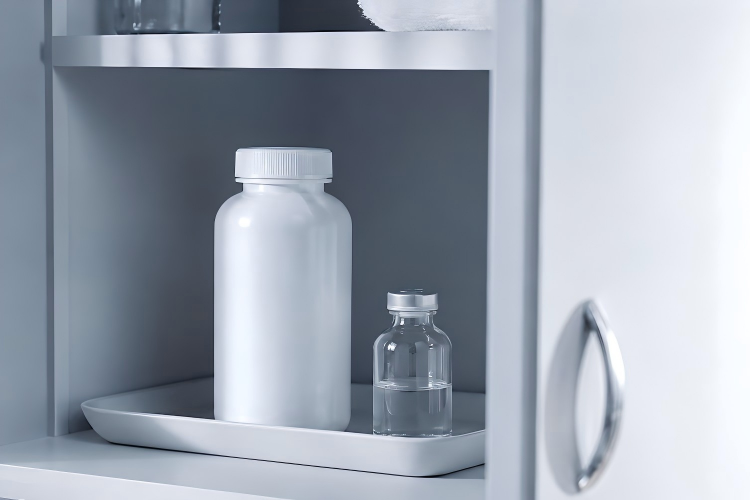
Hypochlorous Acid, also called HOCl, is a weak acid and an active chlorine species. It appears in many products, including Hypochlorous Acid Water, Hypochlorous Acid Spray, Hypochlorous Acid Sanitizer, and HOCl Disinfectant. Many users choose it for surface disinfection because it can be effective at low concentrations.
The CDC explains that the microbicidal activity of chlorine largely comes from undissociated hypochlorous acid. This is why pH control matters so much in any HOCl Solution. When pH shifts, the balance between HOCl and hypochlorite can change, and performance may change as well.
People often compare Hypochlorous Acid vs Bleach, Hypochlorous Acid vs Alcohol, Hypochlorous Acid vs Hydrogen Peroxide, and HOCl vs Sodium Hypochlorite. These comparisons make sense because buyers want strong disinfection without harsh handling. Still, each chemistry has its own limits.
HOCl is not magic water. It needs the right concentration, contact time, packaging, and storage. When users respect those conditions, they get a more stable and practical disinfectant.
How Does Hypochlorous Acid Work?
HOCl works by oxidizing important parts of microorganisms. It can affect proteins, enzymes, and cell structures. That makes it useful for many disinfection tasks.
However, active chlorine can react with more than microbes. Dirt, oil, dust, metal ions, and organic matter can also consume HOCl. That is why dirty water, contaminated bottles, or unclean sprayers can shorten HOCl Shelf Life.
The better the water quality and container cleanliness, the longer the Hypochlorous Acid Solution can stay useful. This is one reason professional production matters. A clean process gives the solution a better start.

How Long Does Hypochlorous Acid Last?
The most common question is: How Long Does Hypochlorous Acid Last? For pure, freshly made HOCl, the practical use window is commonly around 14–30 days under normal storage. This means users should keep it sealed, cool, and away from sunlight.
If users store HOCl in a clear bottle near a window, the shelf life can drop quickly. If they keep it in a dark, sealed, non-transparent container, the solution can last much longer. Storage studies and technical discussions often point to light, temperature, pH, and packaging as major factors behind HOCl degradation.
A well-prepared and well-stored Hypochlorous Acid Solution can still retain useful available chlorine for months. In strong storage conditions, such as opaque packaging and good sealing, long-term retention can improve significantly. Patent literature also notes that opaque PET bottles can improve shelf stability for hypochlorous acid solutions.
So, Does Hypochlorous Acid Expire? Yes, it does. But expiration is not like a light switch. HOCl usually fades gradually as active chlorine declines.
Pure HOCl: 14–30 Days as a Practical Window
For daily commercial use, we usually treat 14–30 days as a practical freshness window for pure Hypochlorous Acid Water. This does not mean the solution becomes useless on day 31. It means users should test the PPM before relying on it.
For homes, schools, pet areas, and light commercial cleaning, this window is easy to manage. Users can produce or purchase the right amount, store it properly, and avoid waste. This approach also reduces the risk of using a weak solution without noticing.
For factories, restaurants, farms, and public facilities, we suggest more regular testing. A simple free chlorine test strip or digital meter can confirm whether the HOCl Concentration still fits the job. That small test can prevent big cleaning mistakes.
Long-Term Storage: Why Packaging Changes Everything
Long-term HOCl Stability depends heavily on the container. A non-transparent bottle blocks light. A good seal reduces air exchange. A clean bottle prevents contamination.
When pure Hypochlorous Acid is stored in a sealed, non-transparent container, it can retain more available chlorine over time. In controlled storage, one year of storage may still leave at least 50% of the original available chlorine. This makes proper packaging one of the most important factors in Hypochlorous Acid Shelf Life.
However, users should not rely only on time. They should test the actual active chlorine level. A bottle stored in a hot warehouse will not behave like a bottle stored in a cool indoor cabinet.
Why Does Hypochlorous Acid Lose Strength?
Hypochlorous Acid Degradation happens because HOCl is reactive. It can break down due to light, heat, air exposure, contamination, pH drift, and contact with unsuitable materials. These factors reduce free available chlorine over time.
Light is one of the biggest enemies. Hypochlorous Acid Light Sensitive is a real issue, especially with clear packaging. Sunlight and UV exposure can accelerate degradation and reduce disinfectant strength.
Heat also matters. Higher storage temperatures can speed up chemical reactions. In plain English, a hot warehouse can age HOCl faster than a cool storeroom.
pH plays another key role. Hypochlorous Acid pH Stability affects how much active HOCl remains in solution. If pH rises too much, more chlorine may exist as hypochlorite, which can change disinfection behavior.
Main Factors That Shorten HOCl Shelf Life
Several everyday mistakes can shorten HOCl Shelf Life:
Storing HOCl in clear bottles
Leaving the cap open
Keeping bottles under sunlight
Storing near heat sources
Using dirty spray heads
Mixing with other chemicals
Adding tap water without control
Using metal containers
Letting organic matter enter the bottle
These mistakes are common because HOCl looks like water. That appearance can fool people. It may look simple, but it still needs chemical respect.
Why Organic Matter Matters
Organic matter can consume active chlorine. This includes dirt, oil, skin residue, food particles, and biological contamination. Once organic matter enters the bottle, the solution may lose strength faster.
This is why users should never dip dirty cloths into HOCl storage containers. They should pour out the amount they need instead. Keep the main container clean, sealed, and untouched.
For surface disinfection, users should remove visible dirt before applying HOCl. This improves performance and reduces waste. Clean first, disinfect second — boring advice, but it works.
How to Extend Hypochlorous Acid Shelf Life
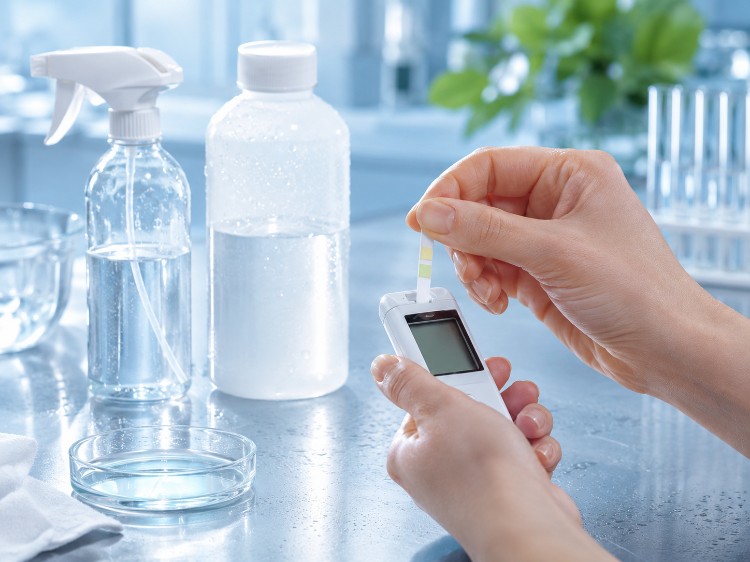
The best storage method is simple. Store Hypochlorous Acid Solution in a non-transparent, sealed container. Keep it in a cool place. Avoid direct sunlight, heat, and contamination.
A good container should block light and seal tightly. Opaque PET or suitable HDPE packaging often works well. Avoid reactive metal containers because metals can accelerate degradation or cause corrosion.
Also, keep the bottle closed after each use. This small habit helps reduce exposure to air and contamination. It sounds basic, but many shelf-life problems start with basic mistakes.
For users who need reliable disinfection, testing matters. We recommend checking the available chlorine before important use. This turns shelf life from a guess into a measurable number.
Recommended Storage Conditions
For better Hypochlorous Acid Storage, follow these rules:
Use a non-transparent container
Keep the bottle tightly sealed
Store at room temperature or cooler
Avoid direct sunlight
Avoid freezing
Avoid high heat
Do not mix with other cleaners
Keep spray heads and caps clean
Test PPM regularly
Use a fresh solution for critical tasks
These habits help slow HOCl degradation. They also make the product easier to trust.
Can Hypochlorous Acid Be Stored in Plastic Bottles?
Yes, Hypochlorous Acid can often be stored in suitable plastic bottles. However, not every plastic bottle works equally well. Thin, clear, low-quality bottles may allow light exposure and may not seal well.
Non-transparent PET or HDPE containers are better choices. They reduce light exposure and protect the solution during storage. For long-term storage, packaging quality becomes even more important.
Can Hypochlorous Acid be stored in glass? Sometimes, yes. But commercial packaging usually favors suitable plastic because it is lighter, safer, and easier to ship.
Why Fresh Production Helps Control Shelf Life
A Hypochlorous Acid Generator helps users make HOCl near the point of use. This reduces dependence on long storage. It also helps users prepare the right volume for daily needs.
An HOCl Generator usually solves Hypochlorous Acid Electrolysis. The system uses water, salt, electricity, and controlled operating conditions. Users can then test the final HOCl PPM Level and use it according to the application.
This approach feels practical for schools, hotels, restaurants, farms, factories, and public facilities. Instead of storing large amounts for months, users can produce fresh Hypochlorous Acid Water more often. Fresh solution gives peace of mind.
At Shandong Shine HOCl, we focus on helping users manage freshness, concentration, and stability. A good machine is not only about output volume. It is also about consistency, ease of use, and real-world reliability.
Fresh HOCl vs Stored HOCl
Fresh HOCl gives users stronger control over quality. Stored HOCl gives users convenience. The best choice depends on how often they disinfect and how much solution they need.
For light use, properly stored bottled HOCl may be enough. For high-volume daily use, on-site production often makes more sense. It helps reduce waste and keeps the solution closer to its target concentration.
This does not mean stored HOCl is bad. It means users should match the method to the job. A small home does not need the same strategy as a food processing plant.
Common Uses and Concentration Notes
Hypochlorous Acid Disinfectant has many practical uses. People use HOCl for Surface Disinfection, home cleaning, school cleaning, restaurant cleaning, pet supplies, and food-related equipment. Some users also search for Hypochlorous Acid for Skin, Hypochlorous Acid for Wound Care, Hypochlorous Acid for Dental Use, and Hypochlorous Acid for Eye Care.
For surface use, common ranges include 50–100 ppm. For heavier contamination, higher concentrations may be used when the surface allows it. For skin, baby care, wounds, and sensitive uses, users should choose specially formulated products and follow professional guidance.
200 PPM Hypochlorous Acid can be useful for some heavier surface disinfection tasks. However, it should not become the whole story. Shelf life, pH, purity, and storage often matter more than chasing a high number.
Food-contact surfaces need extra care. Users should follow local regulations and label instructions. Some uses may require rinsing after disinfection, especially for processing tools, utensils, pet bowls, and items that touch food.
Practical Concentration Reference
Recommended Concentration | Usage Notes | |
Floors and non-corrosive surfaces | 50–100 ppm | Use higher strength for heavier contamination. Keep 10–15 minutes contact time. |
Toys and furniture | 50–80 ppm | Spray or wipe evenly. Wipe again if children may touch the item. |
Schools and kindergartens | 50–80 ppm | Mist after students leave. Ventilate before reuse. |
Stainless steel | 50–80 ppm | Keep contact time short. Dry after treatment. |
Food processing tools | 50–80 ppm | Rinse well if required by product instructions. |
1–5 ppm | Use only food-grade solution and accurate testing. | |
Hands and facial skin | 30–50 ppm | Avoid eyes, mouth, nose, and mucous membranes. |
Baby skin cleaning | 20–40 ppm | Use only suitable products under adult supervision. |
Wound disinfection | 30–60 ppm | Use under medical guidance. |
Pet supplies | 20–80 ppm | Rinse bowls and lick-prone items. Dry after treatment. |
The Best PPM for Hypochlorous Acid depends on the surface and purpose. Stronger does not always mean better. Correct use beats aggressive use.
How to Test Hypochlorous Acid PPM
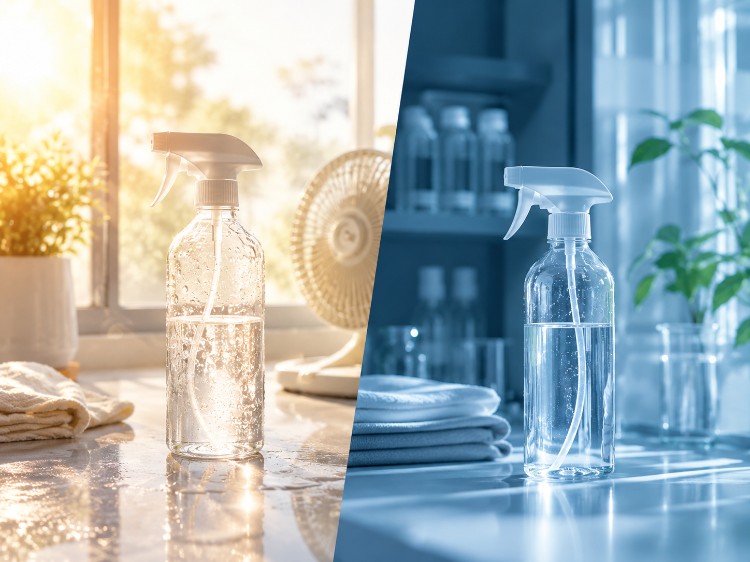
Users can test Hypochlorous Acid PPM with free chlorine test strips or digital meters. Test strips are simple and low-cost. Digital meters give more precise readings when users need tighter control.
Testing helps answer the real question: “Is my HOCl still strong enough?” This matters more than the production date alone. Two bottles made on the same day can age differently under different storage conditions.
For daily cleaning, users can test weekly or before important use. For commercial or regulated settings, testing should be more frequent. Records also help teams manage quality.
If the reading drops too low, users should replace the solution or produce fresh HOCl. Guessing is cheap at first, but expensive when disinfection fails.
Is Hypochlorous Acid Safe?
Is Hypochlorous Acid Safe? In the right concentration and application, HOCl can be a user-friendly disinfectant. Many people also search for Hypochlorous Acid Safety, Hypochlorous Acid Non-Toxic, Food Safe Hypochlorous Acid, Hypochlorous Acid Safe for Kids, and Hypochlorous Acid Safe for Pets.
Still, safety depends on correct use. Users should not spray strong disinfectant into their eyes, inhale mist in closed spaces, or mix HOCl with random chemicals. They should also avoid long contact with sensitive metals.
For pet items, rinse bowls and anything pets may lick. For baby products, use only suitable formulas and avoid ingestion. For wound care, eye care, and dental use, follow medical or product-specific guidance.
HOCl can feel gentle compared with harsh cleaners. But gentle does not mean careless. Respect the label, test the concentration, and use common sense.
FAQ About Hypochlorous Acid Shelf Life
How Long Does Hypochlorous Acid Last After Production?
Pure HOCl commonly has a practical use period of about 14–30 days under normal good storage. If stored in a sealed, non-transparent container, it can retain active chlorine much longer. For critical use, always test available chlorine before application.
Does Hypochlorous Acid Expire?
Yes. HOCl gradually loses strength as available chlorine declines. Light, heat, air exposure, contamination, and pH drift can speed up this process.
How Can I Extend Hypochlorous Acid Shelf Life?
Use a clean, sealed, non-transparent container. Keep it cool and away from sunlight. Avoid contamination and test PPM regularly.
Does Hypochlorous Acid Need to Be Refrigerated?
Not always. Cool indoor storage is usually helpful. Refrigeration may slow degradation, but users should avoid freezing and follow product instructions.
Why Does Hypochlorous Acid Lose Strength?
HOCl loses strength because it reacts with light, heat, organic matter, air exposure, and unsuitable materials. This reduces free available chlorine and weakens disinfection performance.
Can I Make Hypochlorous Acid at Home?
Some users can make HOCl with small devices. However, they must control water quality, salt quality, pH, and PPM. For commercial use, a reliable system and routine testing are safer choices.
Why Use a Hypochlorous Acid Generator?
It helps users produce fresh HOCl when needed. This reduces long storage concerns and improves concentration control. It works especially well for high-volume cleaning programs.
Final Thoughts: Shelf Life Is About Control
Hypochlorous Acid Shelf Life is not just a date on a bottle. It is a result of water quality, production control, packaging, storage, and testing. When users manage those factors, HOCl becomes much easier to trust.
For most pure Hypochlorous Acid Solutions, 14–30 days is a useful practical window. With non-transparent, well-sealed storage, HOCl can retain active chlorine for much longer. In controlled storage, one year of storage may still leave at least 50% of the original available chlorine.
Our view is simple. Fresh production, good packaging, and regular testing create confidence. Whether users need Hypochlorous Acid Spray, HOCl Solution, or a larger disinfection program, shelf life should never be left to chance.
At Shandong Shine HOCl, we help customers understand not only how to make HOCl, but also how to keep it useful. Because in the real world, disinfection is not about a pretty bottle. It is about performance that lasts.
References
CDC — Chemical Disinfectants: chlorine activity and hypochlorous acid chemistry.
https://www.cdc.gov/infection-control/hcp/disinfection-sterilization/chemical-disinfectants.html
WHO — Hypochlorous Acid: free available chlorine and antimicrobial activity.
Nagamatsu et al., 2024 — Long-Term Storage Stability of Neutral Electrolyzed Water.
https://www.mdpi.com/2076-3417/14/20/9264
U.S. Patent — Method for Producing Shelf Stable Hypochlorous Acid Solution.
https://patents.google.com/patent/US20150119245A1/en
Block & Rowan, 2020 — Hypochlorous Acid: A Review.