

Unlocking Hypochlorite: Uses, Generators & Water Safety
What Is Hypochlorite?
Hypochlorite is a chemical compound made of chlorine oxygen and a metal (like sodium or calcium). It’s a powerhouse for killing germs and whitening surfaces. Think of it as chlorine’s safer cousin. We use it daily without even realizing it—from tap water to laundry rooms.
Sodium Hypochlorite Generators: A Game-Changer
Why ship hazardous chemicals when you can make them onsite? Sodium hypochlorite generators mix salt water and electricity to produce NaOCl instantly.
· How it works:
1. Dissolve salt (NaCl) in water.
2. Run an electric current through the solution.
3. Collect sodium hypochlorite (NaOCl) and hydrogen gas.
· Benefits:
· No storage risks (goodbye chlorine gas tanks!).
· Cost-effective for large-scale water treatment.
· Eco-friendly with minimal waste.
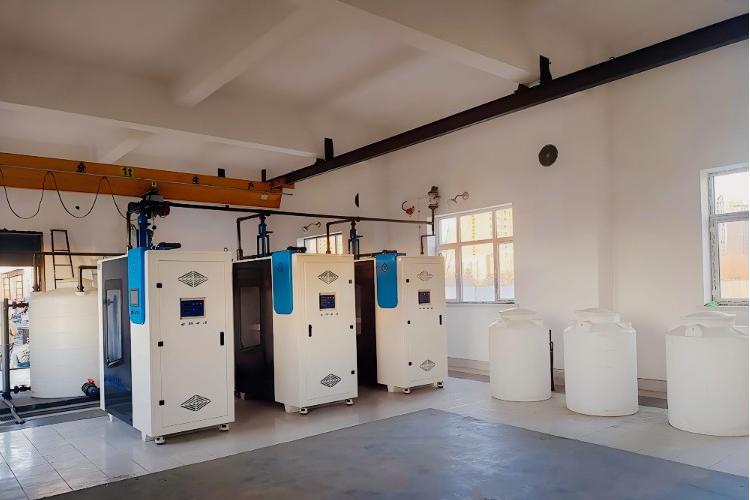
0.8% Concentration Sodium Hypochlorite Generator
Sodium Hypochlorite Solutions: From Labs to Laundry
These solutions pack 5-15% NaOCl and are the backbone of disinfection. Here’s where they shine:
· Household bleach: Whitens clothes and zaps kitchen germs.
· Hospital-grade cleaners: Sterilize surgical tools and floors.
· Emergency water kits: Make murky water drinkable in minutes.
Chlorine Gas: The Risky Alternative
Chlorine gas works but comes with baggage:
· Dangers: Toxic leaks explosions and strict storage laws.
· Solution: Hypochlorite generators skip gas entirely. We’ve seen factories cut accidents by 70% after switching.
Liquid Bleach: Not Just for Stains
Your bleach bottle is a hypochlorite hero.
· Formula: 6% NaOCl + water + sodium hydroxide (to stabilize).
· Uses:
· Disinfect toys and pet areas.
· Remove mold from showers.
· Sanitize garden tools (aphids hate it).
Hypochlorite in Water Treatment: Saving Lives
Over 1 billion people lack clean water. Hypochlorite fixes that.
· Drinking water: Kills cholera E. coli and viruses.
· Swimming pools: Maintains 1-3 ppm chlorine levels.
· Wastewater plants: Neutralizes sewage odors and pathogens.
How Hypochlorite Generators Work (Step-by-Step)
1. Salt dissolution: High-purity salt dissolves in softened water.
2. Electrolysis: Electric current splits NaCl into NaOCl and H2.
3. Storage: The solution pumps into tanks for immediate use.
4. Pro tip: Use solar power to cut energy costs by 40%.
Sodium Hypochlorite Chemistry: Breaking It Down
NaOCl → Hypochlorous acid (HOCl) + Sodium hydroxide (NaOH).
· Why it matters: HOCl is a germ-killing machine.
· Fun fact: Your immune system makes HOCl to fight infections!
Producing Sodium Hypochlorite Safely
Mistakes with chlorine gas can be deadly. Our generators fix that:
· Automatic shutoffs: Stop leaks before they start.
· pH sensors: Keep the solution stable and effective.
· Training programs: Teach staff to handle spills like pros.
Sodium Hypochlorite (NaClO) vs. NaOCl: Name Game
Same chemical different labels. NaClO is just another way to write NaOCl. Don’t let the jargon fool you—it’s all hypochlorite magic.
Calcium Hypochlorite: Pool Owners’ Best Friend
This dry powder is a pool’s BFF.
· Uses:
· Shock treatments after rainstorms.
· Long-term chlorine tablets for steady dosing.
· Warning: Never mix with acids (think explosive reactions).
Key Chemical Compounds in Water Safety
· Sodium hypochlorite: Quick-acting liquid for daily use.
· Calcium hypochlorite: Slow-release tablets for pools.
· Chlorine gas: Rarely used due to high risk.
Boosting Water Quality: Hypochlorite’s Triple Threat
1. Kills pathogens: Viruses bacteria and parasites don’t stand a chance.
2. Eliminates odors: Bye-bye swampy pool smells.
3. Prevents algae: Clear water all summer long.
Where You’ll Find Hypochlorite Compounds
· Home: Bleach mold removers and toilet cleaners.
· Healthcare: Surface disinfectants and wound cleansers.
· Agriculture: Sanitize irrigation systems and livestock water.
Household Bleach: What’s Inside?
Your Clorox bottle is 90% water and 10% science:
· 6% sodium hypochlorite: The star disinfectant.
· Sodium hydroxide: Keeps the pH balanced.
· Fragrance: Makes it smell less like a lab.
Sodium Hydroxide: The Unsung Hero
Without NaOH your bleach would turn into a sad puddle of saltwater. It:
· Stabilizes NaOCl.
· Prevents rapid degradation.
· Balances pH for max effectiveness.
Swimming Pools: Hypochlorite’s Playground
· Ideal levels: 1-3 ppm hypochlorite.
· Test weekly: Use strips or digital testers.
· Shock treatments: Use calcium hypochlorite after heavy use.
Drinking Water: Safe Sips Guaranteed
The EPA caps hypochlorite at 4 ppm in drinking water. Our generators:
· Automate dosing.
· Monitor levels 24/7.
· Sync with municipal SCADA systems.
Choosing a Hypochlorite Generator: 5 Must-Ask Questions
1. Capacity: How much NaOCl do you need daily?
2. Salt type: Food-grade vs. industrial purity?
3. Power source: Solar AC or hybrid?
4. Maintenance: Self-cleaning electrodes or manual scrubbing?
5. Budget: Upfront cost vs. long-term savings.
Hypochlorite Myths Busted
· Myth: “Hypochlorite makes water taste funny.”
· Truth: Proper dosing leaves zero taste.
· Myth: “Generators are too expensive.”
· Truth: ROI in 2-3 years via reduced chemical costs.
The Future of Hypochlorite Tech
· Solar generators: Cut carbon footprints.
· AI dosing: Predict demand using weather data.
· Nano-electrodes: Boost efficiency by 50%.
Why Shandong Shine Health Leads the Way
We’ve delivered 500+ generators worldwide. Here’s why clients stick with us:
· Durability: Titanium electrodes that last a decade.
· Support: 24/7 troubleshooting in 12 languages.
· Customization: Systems for farms factories and hospitals.
Case Study: Clean Water for 10k Villages
In rural India our generators now provide 20 million liters of safe water daily. Result? Cholera cases dropped by 92% in 18 months.
Hypochlorite Safety 101
· Storage: Keep away from acids and heat.
· Handling: Gloves and goggles always.
· Spills: Neutralize with sodium thiosulfate ASAP.
DIY Hypochlorite Solution (For Emergencies)
Mix 1 tablespoon of household bleach with 1 gallon of water. Voilà! A DIY disinfectant for countertops or camping gear.