

What is the Purpose of Water Treatment Plant
Clean drinking water is one of the world's most valuable resources. We often turn on a tap without thinking about the long journey behind every drop. A modern water treatment plant works around the clock to make water safe, clean, and pleasant to use.
At Shandong Shine Health, we work with customers who want reliable water disinfection systems. We believe every community deserves high-quality water that protects public health. That is why we develop advanced On-Site Hypochlorite Generation System solutions for many types of treatment facility projects.
In this guide, we explain What is the Purpose of Water Treatment Plant, how the water treatment process works, and why modern disinfection technology continues to improve water safety.
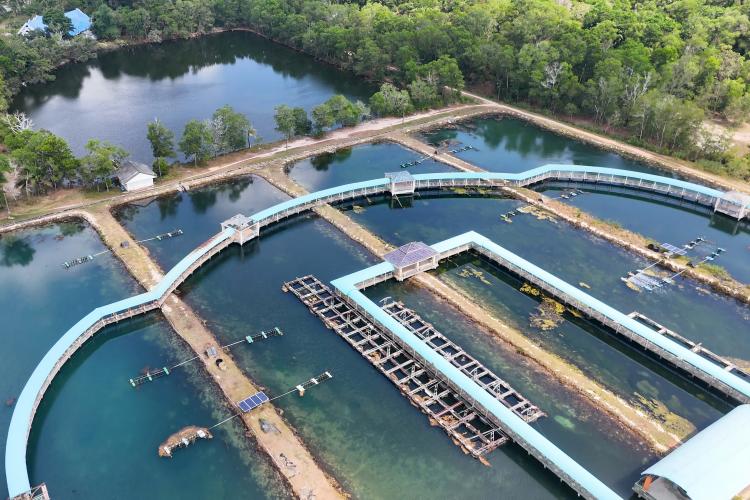
Why Does a Water Treatment Plant Matter?
The main purpose of a water treatment plant is simple. It makes raw water safe for people and industry. The plant removes harmful materials while keeping water pleasant to drink.
Without proper treatment, water supplies may contain:
Bacteria and parasites
Bacteria and viruses
Mud and sand
Organic matter
Heavy metals
Bad taste and odor
Chemical pollutants
Every day, millions of liters of water entering a treatment plant come from rivers, lakes, reservoirs, or underground wells. The quality changes with weather, seasons, and human activity. Therefore, operators must carefully treat water before sending it to homes and businesses.
We like to compare the process to preparing a healthy meal. You wash the vegetables, remove unwanted parts, cook them properly, and finally serve safe food. Water treatment follows the same idea.
Understanding the Water Treatment Process
A complete water treatment process uses several treatment steps. Each step removes different contaminants.
Step 1: Screening and Intake
The process begins when raw water reaches the plant.
Large screens remove:
Leaves
Branches
Plastic waste
Stones
Floating debris
This simple step protects pumps and other equipment.
Step 2: Coagulation and Gentle Mixing
Next, operators add treatment chemicals.
They use gentle mixing to spread the chemicals evenly throughout the water. Tiny dirt particles begin sticking together.
These larger particles become flocs that settle much more easily.
Step 3: Sedimentation
The heavy flocs slowly sink to the bottom of large basins.
Clearer water remains on top.
Operators remove the sludge for further treatment while cleaner water continues through the system.
Filtration Removes Tiny Particles
Even after sedimentation, small particles remain.
Plants filter water through several layers.
Sand Gravel Filtration
Traditional filters use layers of sand gravel and other filter media.
These filters remove:
Fine dirt
Rust
Clay
Suspended solids
Small microorganisms
The process improves both appearance and water clarity.
Activated Carbon Improves Taste
Many plants also use activated carbon filters.
Activated carbon removes:
Bad odors
Chlorine by-products
Organic chemicals
Unpleasant taste
People often notice this improvement immediately. Water simply tastes fresher.
Reverse Osmosis for Special Applications
Some industries need extremely pure water.
They use reverse osmosis systems.
Reverse osmosis removes:
Dissolved salts
Heavy metals
Microplastics
Many chemicals
Although not every municipal plant uses reverse osmosis, it remains an excellent choice for desalination and high-purity industrial water.
Why Disinfection Is the Most Important Step
Filtration alone cannot remove every microorganism.
Plants must kill bacteria before distributing water.
Several technologies work well today.
Sodium Hypochlorite Disinfection
Many utilities use sodium hypochlorite because it provides lasting protection throughout the distribution network.
Traditional chemical delivery has several challenges:
Chemical transportation
Storage risks
Product aging
Higher operating costs
We believe producing disinfectant on demand solves many of these issues.
On-Site Hypochlorite Generation System
An On-Site Hypochlorite Generation System creates sodium hypochlorite directly at the treatment site.
Most systems use:
Water
Electricity
Salt water
The electrolysis process produces fresh sodium hypochlorite whenever operators need it.
Compared with transporting chemicals, an on-site system offers several advantages.
Key benefits include:
Fresh disinfectant production
Lower transportation risk
Reduced chemical storage
Stable chlorine quality
Lower long-term operating costs
Easy automation
Better worker safety
Our site sodium hypochlorite generator helps many water plants improve efficiency while maintaining consistent disinfection performance.
UV Light Adds Another Layer of Protection
Many modern plants combine chlorine with UV light technology.
How Ultraviolet UV Works
Ultraviolet UV systems damage the DNA of microorganisms.
As a result, the organisms cannot reproduce.
UV systems work especially well against:
Bacteria and viruses
Giardia
Cryptosporidium
Other pathogens
Unlike chemical disinfectants, UV treatment leaves no taste or odor.
However, UV does not provide residual protection inside long pipelines.
Because of this, many treatment plants combine UV with sodium hypochlorite for stronger overall protection.
Storage and Distribution Keep Water Safe
Treatment does not end after disinfection.
Clean water moves into large storage tanks before distribution.
Operators continuously monitor:
Chlorine residual
pH
Turbidity
Flow rate
Temperature
Pressure
Microbial counts
These measurements protect water quality every hour of every day.
The treated water then travels through pipelines to homes, hospitals, schools, factories, and businesses.
Maintaining safe water during transportation remains just as important as treating it.
Challenges Modern Water Plants Face
Water treatment has become more difficult over the years.
Climate change creates sudden storms and droughts.
Population growth increases water demand.
New contaminants continue appearing.
Today's operators may encounter:
Pharmaceutical residues
PFAS compounds
Agricultural runoff
Industrial chemicals
Algae blooms
Microplastics
Each challenge requires better monitoring and smarter treatment technologies.
Fortunately, automation and digital control systems continue improving plant performance.
Why We Support On-Site Generation Technology
From our experience, many customers now prefer producing disinfectant themselves.
Instead of waiting for chemical deliveries, they generate fresh sodium hypochlorite every day.
We have seen several practical advantages.
First, operators gain greater independence.
Second, fresh disinfectant often performs more consistently.
Third, plants reduce risks associated with transporting concentrated chemicals.
Our On-Site Hypochlorite Generation System supports municipal water plants, industrial facilities, food processing companies, hospitals, and many other industries.
System capacity varies widely.
Typical production capacities include:
Parameter | Typical Range |
Sodium hypochlorite concentration | 0.8% available chlorine |
Raw material | Salt water + electricity |
Operation | Fully automatic |
Power supply | Customized |
Daily production | According to project requirements |
Control | PLC touchscreen |
Installation | Indoor or outdoor |
Every project has different needs. Therefore, we help customers select suitable equipment based on local water demand and operating conditions.
Conclusion
So, what is the Purpose of a water treatment plant?
Its mission goes far beyond cleaning dirty water.
A treatment plant protects public health, supports economic development, preserves infrastructure, and ensures reliable drinking water for millions of people.
The complete water treatment process combines screening, gentle mixing, sedimentation, sand gravel filtration, activated carbon, reverse osmosis where needed, and effective disinfection using sodium hypochlorite or UV light.
We believe future water treatment will become even smarter. Digital monitoring, automation, and advanced On-Site Hypochlorite Generation System technology will continue improving safety, efficiency, and sustainability. Every glass of clean water reminds us why this work matters.
Frequently Asked Questions
Is every water treatment plant the same?
No. Each plant designs its treatment process according to the local water source, regulations, and required water quality.
Why do many plants still use chlorine?
Chlorine continues protecting water after it leaves the treatment plant. This residual protection helps keep distribution systems safe.
Does reverse osmosis replace normal filtration?
No. Reverse osmosis usually works together with conventional treatment for applications requiring very high purity.
Why use an on-site sodium hypochlorite generator?
Fresh sodium hypochlorite reduces transportation risks, lowers chemical storage needs, and provides stable disinfectant production.
Can UV light replace chlorine completely?
Not in most municipal systems. UV disinfects water effectively, but it cannot provide residual protection throughout long pipelines.