

Where to Buy H₂O₂ for for Water Treatment
Why We Started Asking This Question
We kept hearing the same thing from clients across the United States and wider North America:
“Where can we buy hydrogen peroxide for water treatment without headaches?”
At first, it sounded simple. You find a chemical manufacturer, place an order, and wait for delivery. But reality hits fast. The moment you deal with hydrogen peroxide H2O2, you enter a maze of hazardous materials regulations, strict storage rules, and fragile chemical supply chains.
We’ve seen projects delayed for weeks. We’ve seen budgets explode. And honestly, we’ve felt that frustration ourselves. That’s why we’re breaking it down here—clearly, honestly, and with a few real-world insights.
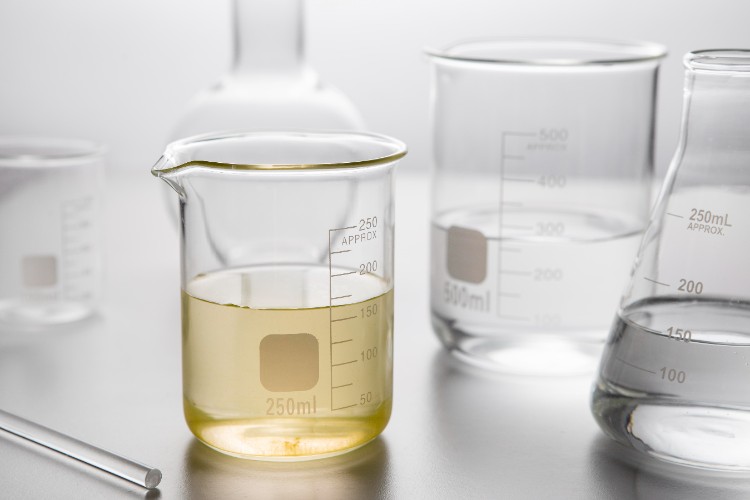
Where to Buy Hydrogen Peroxide for Water Treatment
Let’s start with the obvious. If you want hydrogen peroxide h2o2 for water treatment, you typically have three main options:
Direct from a Chemical Manufacturer
Most buyers go straight to a chemical manufacturer. This option offers:
Consistent quality
Bulk pricing
Technical support
However, there’s a catch. Many suppliers require:
Large minimum orders
Long-term contracts
Certified storage facilities
That means you may need a bulk tank and proper handling systems before you even place your first order.
Industrial Chemical Distributors
Distributors act as middlemen in the supply chain. They source products and deliver smaller volumes.
This sounds convenient, right? It is—but:
Prices are higher
Delivery schedules can shift
Stock depends on the availability of chemical shipments
When chemical supply chains tighten, distributors struggle to keep up.
Specialized Water Treatment Suppliers
Some companies focus only on water systems and drinking water solutions.
They may offer:
Pre-diluted solutions
NSF-certified products
Application guidance
Look for compliance with NSF ANSI 61, especially for water supplies used for human consumption.
The Hidden Challenge: Chemicals Are Difficult to Purchase and Transport
Let’s be honest. This is where things get messy.
We often hear: “Chemicals are difficult to purchase and transport.” That’s not an exaggeration.
Regulatory Barriers
Handling hydrogen peroxide h2o2 involves strict hazardous materials regulations. Authorities classify it under transportation of hazardous goods.
This means:
Special labeling
Certified carriers
Documentation at every step
Miss one requirement, and your shipment stops.
Temperature Controlled Logistics
Hydrogen peroxide is sensitive. It needs temperature-controlled storage and transport.
If the temperature rises too much:
The chemical degrades
Effectiveness drops
Safety risks increase
This adds cost and complexity to your supply chain.
Shipping Delays and Costs
We’ve seen clients wait weeks for delivery. Sometimes months.
Why?
Limited transport capacity
Seasonal demand spikes
Disruptions in the natural gas supply are affecting production
Yes, even natural gas matters. It plays a role in chemical manufacturing processes.
Is Hydrogen Peroxide Always the Best Choice?
Here’s where things get interesting.
Hydrogen peroxide works well, especially for:
Removing hydrogen sulfide
Oxidizing organic contaminants
Improving taste and odor
But it’s not perfect.
Short Shelf Life
Once produced, hydrogen peroxide h2o2 starts to break down.
That means:
Frequent reordering
Risk of wasted stock
Increased operational cost
Handling Risks
Even at moderate concentrations, it requires careful handling.
Operators must:
Wear protective gear
Follow strict procedures
Maintain safety training
That adds operational pressure.
A Smarter Alternative: Generate Instead of Buy
This is where we started to rethink everything.
Instead of asking where to buy hydrogen peroxide for water treatment, we asked:
“Why buy chemicals at all?”
On-Site Generation Changes the Game
With a 0.8% On-site Sodium Hypochlorite Generator, you produce disinfectant directly from salt and water.
No shipping. No delays. No storage headaches.
Why It Works Better for Many Water Systems
Let’s compare quickly:
Factor | Hydrogen Peroxide | On-Site Generation |
Supply chain | Complex | Simple |
Storage | Sensitive | Minimal |
Safety | Moderate risk | Lower risk |
Availability | Limited | Continuous |
This approach removes dependence on chemical shipments and unstable supply chains.
How Sodium Hypochlorite Fits Into Water Treatment
We know what you might think: “Isn’t sodium hypochlorite just bleach?”
Yes—and no.
Controlled Production Matters
When generated on-site, it stays fresh and effective.
It works well for:
Drinking water disinfection
Water systems sanitation
Controlling bacteria and pathogens
Ideal for Remote or Unstable Supply Areas
In regions with limited logistics, this solution shines.
We’ve seen it perform well in:
Rural water supplies
Industrial plants
Emergency setups
No reliance on fragile chemical supply chains.
Key Buying Tips If You Still Choose Hydrogen Peroxide
If you decide to stick with hydrogen peroxide h2o2, here’s what we recommend:
Check Certifications
Always confirm compliance with NSF/ANSI 61 for drinking water use.
Plan Storage Carefully
Install proper systems:
Ventilated bulk tank
Temperature monitoring
Spill containment
Choose Reliable Suppliers
Look for:
Proven chemical manufacturer
Stable supply chain
Transparent delivery timelines
Calculate Total Cost, Not Just Price
Don’t focus only on product cost. Include:
Transport fees
Storage infrastructure
Safety training
The real cost often surprises people.
Our Real-World Take
We’ve worked with clients across North America, and we’ve seen both sides.
Buying chemicals works, but it comes with friction. A lot of it.
Switching to on-site generation feels different. It removes uncertainty. It gives control back to operators. And frankly, it simplifies life.
We remember one client who joked:
“Now I sleep better. No more waiting for trucks.”
That stuck with us.
Final Thoughts: Buy or Rethink?
So, where to buy hydrogen peroxide for water treatment?
You can buy it from:
A chemical manufacturer
Industrial distributors
Water treatment suppliers
But before you commit, pause for a moment.
Ask yourself:
Do I want to depend on chemical shipments?
Can I manage hazardous materials regulations?
Is my supply chain stable enough?
If the answer feels uncertain, it may be time to rethink the approach.
Sometimes, the smartest move isn’t finding a better supplier.
It’s removing the need for one.