

Chlorine Dioxide vs Ozone: Which Wins?
When we talk about water disinfection, two strong options often come up: chlorine dioxide and ozone. Both can kill many harmful microorganisms. Both also work as a strong oxidizing agent.
However, they do not work in the same way. Their safety needs, chemical reactions, residual effects, and equipment can differ. In this guide, we compare them in simple terms. We will also explain where an HOCl Generator can fit.
What Are Chlorine Dioxide and Ozone?
What is chlorine dioxide?
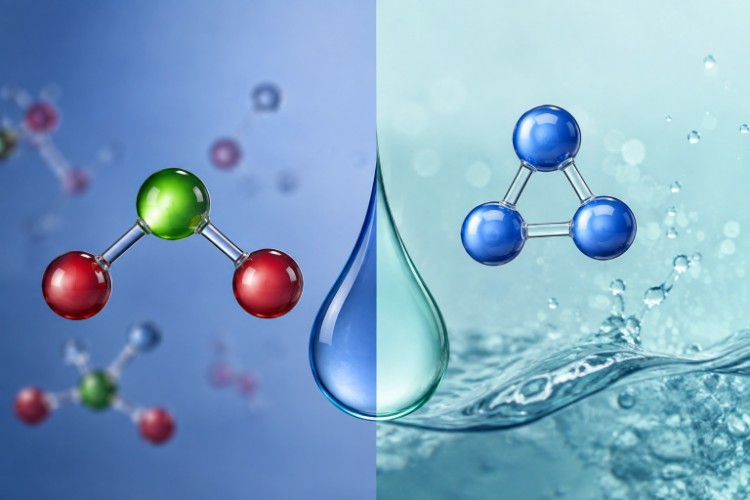
Chlorine dioxide (ClO₂) is a strong oxidizer. It can control bacteria, viruses, and other microbes in water. It can also help control some tastes and odors.
Many systems make chlorine dioxide on-site. This approach gives operators better control over production and dosing. However, operators must control the process carefully.
Chlorine dioxide can form chlorite and chlorate during treatment. Therefore, users must monitor these by-products. Local rules also matter.
What is ozone?
Ozone (O₃) contains three oxygen atoms. The extra oxygen atom makes ozone very reactive. This gives ozone strong oxidizing properties.
An ozone generator creates ozone from oxygen or air. The system then mixes ozone with water or air. Ozone reacts quickly with many unwanted substances.
Ozone also breaks down quickly. That can help reduce long-term chemical residuals. However, it means ozone cannot provide long-lasting protection in many water systems.
Chlorine Dioxide vs Ozone for Disinfection
Which one kills microbes?
Both technologies can provide strong disinfection. The final result depends on dose, contact time, water quality, and temperature.
Ozone can act very fast. It can damage microbial cell walls and other cell parts. Chlorine dioxide also attacks important parts of microorganisms.
We should not judge either chemical by name alone. Good system design matters more than marketing claims.
Contact time matters
Disinfection needs enough contact time. We often use the CT concept:
CT = C × T
Where:
C = disinfectant concentration
T = contact time
CT = disinfection exposure
For example, a higher concentration may need less contact time. Water quality can change this result. Always follow the design standard for the target organism.
Oxidation and Odor Elimination
Ozone has strong oxidation
Ozone often performs well when oxidation is the main goal. It can react with many organic compounds in water.
This makes ozone useful for some water treatment jobs. It can also help with color and taste problems. For this reason, many treatment plants use an ozone generator as part of a larger process.
But strong oxidation does not mean ozone always wins. Every water source has different chemistry.
Chlorine dioxide also controls odors
Chlorine dioxide has strong oxidizing properties too. It can help control some odor and taste problems.
It can also react with certain organic compounds. In some systems, this makes it a useful choice for both disinfection and odor elimination.
The best choice depends on the water. We always recommend testing the actual water before selecting a system.
Safety and Residual Effects
Ozone needs careful handling
Ozone can be very useful, but operators must respect its strength. Ozone gas can irritate the lungs at unsafe levels.
A treatment system may need:
Gas monitoring
Good ventilation
Off-gas destruction
Leak protection
Proper mixing equipment
Automatic control
Ozone also has a short life in water. It quickly changes back into oxygen and other reaction products.
Chlorine dioxide needs monitoring
Chlorine dioxide does not require ozone gas handling. However, it still needs careful control.
Operators should monitor:
ClO₂ concentration
Chlorite
Chlorate
pH
Contact time
Water quality
The EPA sets a maximum residual disinfectant level of 0.8 mg/L for chlorine dioxide in U.S. drinking water. Local regulations may vary.
How Does an HOCl Generator Compare?
A simple on-site option
There is another technology we often discuss with customers. It is hypochlorous acid, or HOCl.
An HOCl Generator produces disinfectant water on-site. Depending on the system design, it can use water with salt or dilute hydrochloric acid as the electrolyte.
Our HOCl systems can produce controlled disinfectant concentrations. Typical applications include surface sanitation, food processing, agriculture, and some water treatment uses.
Common parameters may include:
HOCl concentration: 6–200 ppm
Typical pH: 5.0–6.5
Production: adjustable
Flow: adjustable
Generation: on-site
Feed water: water + electrolyte
The exact setting should match the application. More disinfectant does not always mean better results.
Why on-site generation helps
On-site generation can simplify chemical supply. Users do not need to transport large volumes of finished disinfectant.
We also like the control it gives operators. They can adjust concentration and production based on daily demand.
For many facilities, this approach feels more practical. It also reduces the need to store large quantities of ready-made disinfectant.
Chlorine Dioxide vs Ozone vs HOCl
Quick comparison
Feature | Chlorine Dioxide | Ozone | HOCl |
Formula | ClO₂ | O₃ | HClO |
Main action | Oxidation | Strong oxidation | Disinfection + oxidation |
Residual | Yes | Very limited | Possible |
Odor control | Good | Excellent | Good |
On-site production | Common | Common | Common |
Gas handling | No | Yes | No |
Main concern | By-products | Gas exposure | Concentration and pH |
Typical form | Dissolved chemical | Dissolved gas | Disinfectant water |
This table gives a quick view. It does not replace a full process study.
Which one should you choose?
We would consider ozone when strong oxidation is the main goal. It can work well for certain organic compounds, taste, and odor problems.
We would consider chlorine dioxide when we need strong disinfection with a useful residual. It can also support odor control.
We would consider HOCl when on-site production, simple dosing, and adjustable concentration matter. The final choice should always match the application.
Final Thoughts
So, who wins the chlorine dioxide vs ozone debate?
There is no single winner.
Ozone offers very strong oxidation. Chlorine dioxide offers strong disinfection and a useful residual. HOCl provides another practical option for facilities that want on-site disinfectant production.
We believe the right answer starts with the water, not the chemical. Check the water quality first. Then consider concentration, contact time, pH, safety, residual needs, equipment, and cost.
A simple rule works well:
Test first. Design second. Choose the disinfectant third.
That approach may sound less exciting than picking a winner. But in real water treatment, it usually produces better results.