

Is Hypochlorous Acid Safe in Pregnancy?
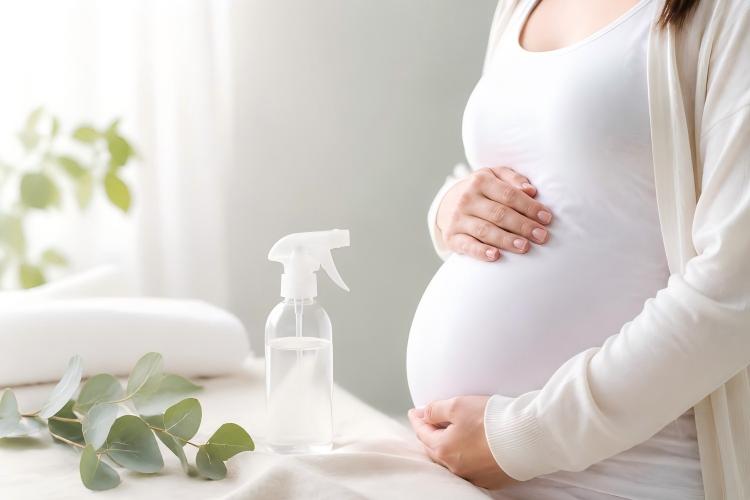
Pregnancy changes many daily choices, especially when we care for our skin. So, Is Hypochlorous Acid Safe for Pregnancy? In general, topical hypochlorous acid HOCl has a good safety profile when manufacturers formulate it correctly. However, pregnancy-specific safety data remain limited, so we always recommend checking the product label and seeking medical advice when needed.
HOCl differs from many harsh chemicals used in household disinfection. Our bodies naturally produce HOCl as part of the immune system response. Research also supports its use in topical skin and wound care.
What Is Hypochlorous Acid?
A natural antimicrobial
Hypochlorous acid is a weak chlorine-based molecule. Our immune cells naturally produce it to help fight invading microbes. It can help with killing bacteria and reducing microbial load on the skin.
This does not mean every chlorine product works the same way. For example, chlorine dioxide ClO has different chemical properties. HOCl should not get lumped together with every chlorine-based disinfectant.
Why formulation matters
We believe formulation matters as much as the active ingredient. Product pH, chlorine concentration, purity, and stability can change skin tolerance. Research shows that HOCl performance depends strongly on pH and formulation stability.
Is HOCl Safe During Pregnancy?
What current evidence tells us
Available research supports topical HOCl as a generally well-tolerated skin and wound-cleansing agent. Studies report antimicrobial effects with few major adverse events.
However, we should not overpromise. Researchers have not established strong pregnancy-specific safety data for every HOCl product. Therefore, safe during pregnancy should always mean safe for the specific formulation and intended use.
Pregnancy skin needs extra care
Pregnancy can make skin more sensitive, dry, or reactive. The American College of Obstetricians and Gynecologists recommends gentle skin care during pregnancy. It also advises pregnant patients to discuss unfamiliar products with their obstetrician or dermatologist.
For that reason, I would choose a simple, fragrance-free hypochlorous acid spray over a complicated formula.
HOCl for Sensitive Skin
Why HOCl is often gentle
Many people choose HOCl because HOCl is gentle compared with stronger antiseptic products. Research has found topical formulations useful for several skin conditions, including acne and irritated skin.
Still, “gentle” does not mean “use without limits.” We should follow the manufacturer's instructions and avoid unnecessarily high concentrations.
What about acne treatment?
Hormonal changes can trigger acne during pregnancy. A properly formulated topical HOCl product may support basic skin hygiene and acne treatment routines. However, it should not replace pregnancy-approved acne treatment or professional care.
Can HOCl Support Wound Care?
Supporting wound healing
Topical HOCl has attracted attention in wound healing because it can reduce microbial burden while supporting a suitable wound environment. Clinical reviews describe its antimicrobial and wound-care benefits.
We should still treat wounds carefully. Deep wounds, infected wounds, burns, or wounds that do not heal need professional assessment. A spray cannot magically solve every wound. Sadly, even the best spray has no superpowers.
Choosing the right product
For topical use, we recommend checking:
✓ Clearly stated HOCl concentration
✓ Suitable skin-use instructions
✓ Controlled pH
✓ Stable formulation
✓ Clean packaging
✓ No unnecessary fragrances or additives
✓ Clear expiration information
Is Hypochlorous Acid Safe for Babies?
Baby skin requires caution
People often ask, Is Hypochlorous Acid Safe for Babies? Some topical HOCl products have applications in sensitive-skin care, but parents should choose products specifically intended for infants or children.
A baby's skin is delicate. We should never assume that a household disinfectant belongs on baby skin. Always check the label and follow professional medical advice when treating rashes, wounds, or infections.
Using an HOCl Generator
Producing HOCl on site
An HOCl Generator can produce hypochlorous acid on demand from controlled inputs. This approach can reduce the need to store large amounts of ready-made disinfectant.
Our view is simple: consistency matters. Users should control concentration, pH, water quality, and storage conditions. A generator designed for surface sanitation should not automatically produce a solution suitable for topical use.
Spray or skin application?
HOCl sprays designed for skin can offer convenient application. However, users should select products according to their intended use.
For topical HOCl, concentration and formulation remain important. We should never apply an industrial disinfectant directly to pregnancy skin simply because it contains HOCl.
Final Safety Checklist
What should pregnant users remember?
When considering HOCl acid during pregnancy, we suggest this simple checklist:
Choose a product made for topical skin use.
Check the concentration and pH.
Avoid products with unnecessary additives.
Follow the stated directions.
Stop if irritation develops.
Ask your doctor about wounds or persistent skin problems.
Seek medical advice before using unfamiliar products during pregnancy.
Overall, the available evidence makes properly formulated topical HOCl an interesting pregnancy friendly skin-care option. Yet we should avoid saying that every HOCl product is automatically safe. Product quality, concentration, intended use, and individual health all matter.